9 Foods Banned Abroad But Still Sold Elsewhere
Many foods widely available in supermarkets and convenience stores contain ingredients or additives that are banned in other countries due to health concerns. These products often go unnoticed by consumers who assume that all foods sold are safe. Regulatory standards vary, meaning what is deemed acceptable in one nation may be restricted or prohibited in another. Awareness of these foods helps consumers make informed choices and avoid potential long-term health risks.
Global differences in food safety regulations reflect variations in research, public health policies, and acceptable risk thresholds. Certain preservatives, artificial colors, and chemical additives are restricted abroad but remain in circulation in countries with less stringent oversight. Examining these foods highlights the potential dangers and the need to carefully evaluate ingredients and labels.
Artificial Food Colors Linked to Hyperactivity

Some brightly colored candies, cereals, and beverages contain synthetic food dyes banned in parts of Europe due to associations with hyperactivity in children. Colors like Red 40, Yellow 5, and Blue 1 are widely used to enhance visual appeal but have been linked to behavioral issues in studies. Children consuming large quantities may experience attention difficulties, restlessness, and mood fluctuations.
These dyes are approved in other countries but remain controversial. Frequent consumption may also trigger allergic reactions or sensitivities in susceptible individuals. Opting for naturally colored alternatives or products labeled free from synthetic dyes reduces exposure and supports behavioral and neurological health.
Potassium Bromate in Bread and Baked Goods
Potassium bromate is a flour improver used to strengthen dough and speed up baking. It is banned in Europe, Canada, and several other nations due to its carcinogenic potential. Despite the risk, some breads and baked goods in other countries still contain bromate, especially when produced by large-scale commercial bakeries.
Exposure to residual bromate can increase the risk of kidney and thyroid tumors over time. Selecting organic or labeled bromate-free products ensures safer consumption and supports long-term organ and metabolic health.
BHA and BHT Preservatives

Butylated hydroxyanisole (BHA) and butylated hydroxytoluene (BHT) are preservatives used to extend shelf life in snacks, cereals, and processed meats. These chemicals are banned or restricted in some European countries due to their potential to act as endocrine disruptors and possible carcinogenicity.
Long-term exposure may affect hormone balance, liver function, and overall cellular health. Choosing foods without synthetic preservatives, or with natural alternatives such as vitamin E, minimizes risk while maintaining freshness and flavor.
Ractopamine in Meat Products
Ractopamine is a feed additive used in pigs and cattle to promote lean muscle growth. It is banned in over 160 countries, including China and the European Union, due to concerns over cardiovascular and metabolic effects in humans. In some countries, meat products containing ractopamine are still legally sold and consumed.
Potential side effects from consumption include elevated heart rate, increased blood pressure, and hormonal imbalance. Reading labels, sourcing meat from ractopamine-free farms, and choosing organic or grass-fed products reduces exposure to this additive.
Azodicarbonamide in Bread and Fast Food

Azodicarbonamide is a chemical used in bread and fast-food buns to improve texture and elasticity. It is banned as a food additive in Europe and Australia due to links with respiratory issues and potential carcinogenicity. In other regions, it remains common in mass-produced baked goods.
Frequent consumption may contribute to asthma symptoms and long-term respiratory stress. Seeking freshly baked products, breads labeled free of chemical conditioners, or whole-grain options ensures safer intake and reduces additive exposure.
Olestra in Fat-Free Snacks
Olestra is a synthetic fat used in fat-free chips and snacks to provide texture without calories. It is banned in some countries due to gastrointestinal side effects, including cramping, diarrhea, and interference with nutrient absorption. Despite this, many snacks in other markets still contain olestra.
Olestra may also reduce the absorption of fat-soluble vitamins such as A, D, E, and K. Choosing natural fat alternatives, baked snacks, or minimally processed options ensures better nutrient intake and digestive comfort.
Chlorine-Washed Chicken
Chlorine-washed chicken is a common practice in some countries to eliminate bacteria in poultry. It is banned in the European Union due to concerns over chemical residues and the masking of poor hygiene during production. Poultry treated this way is still widely sold elsewhere.
Consuming chlorine-treated meat may lead to chemical residues that affect gut health and liver function over time. Purchasing fresh, locally sourced, or organic chicken reduces exposure and supports safer food-handling practices.
Milk Containing Recombinant Hormones
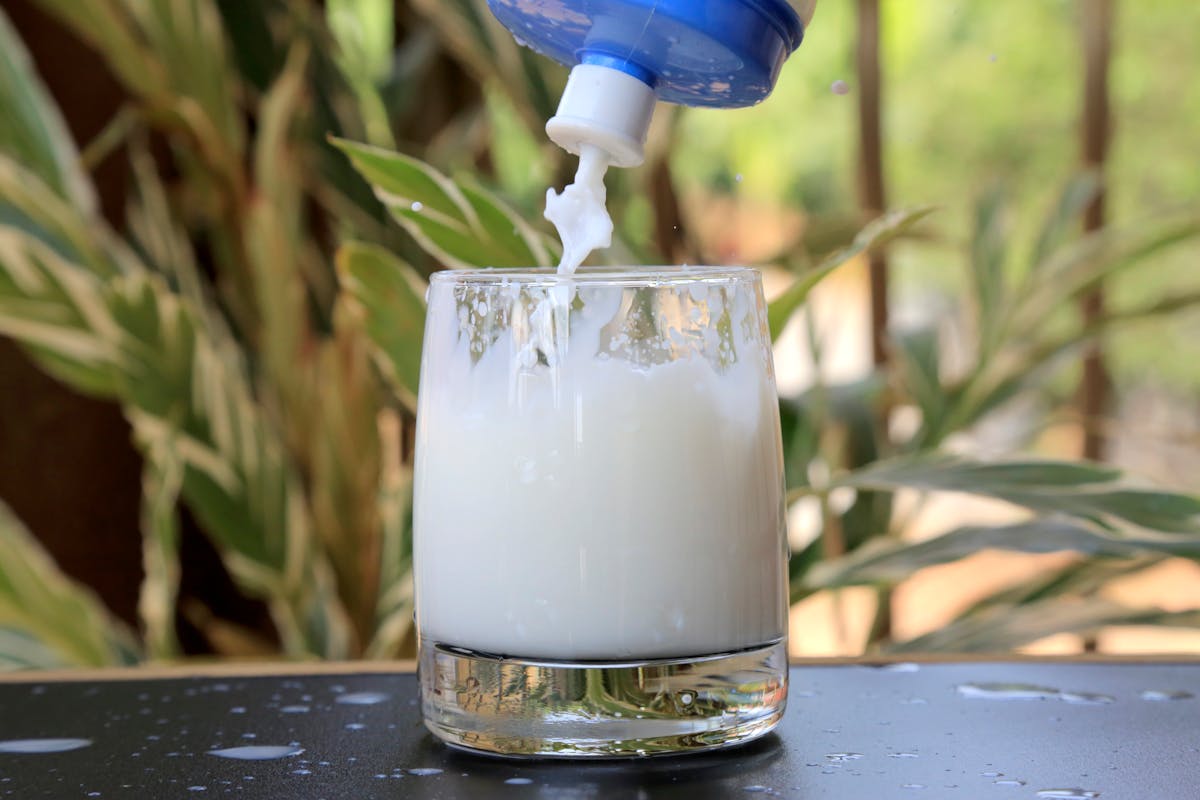
Some dairy products contain recombinant bovine growth hormone (rBGH or rBST) to increase milk production. These hormones are banned in Canada, Europe, and Japan because of potential links to cancer and early-onset puberty in humans. Milk and cheese containing rBGH are still legal in other countries.
Hormone residues may influence human endocrine systems and long-term metabolic health. Opting for rBGH-free, organic, or grass-fed dairy products provides a safer alternative while maintaining nutrient benefits.
Artificial Sweeteners Restricted in Other Nations
Certain artificial sweeteners, like cyclamate, are banned in countries such as the United States due to cancer risk, but remain approved in some regions. They are used in beverages, desserts, and low-calorie products to provide sweetness without sugar.
Long-term consumption of restricted sweeteners may affect gut microbiota, metabolic processes, and organ function. Choosing natural sweeteners, limiting artificial additives, and monitoring intake support overall digestive and metabolic health.
Conclusion
Many foods available for purchase contain ingredients that are prohibited in other countries due to health risks.
Artificial food colors, potassium bromate, BHA and BHT, ractopamine, azodicarbonamide, olestra, chlorine-washed chicken, recombinant hormones, and restricted artificial sweeteners all pose potential long-term health threats, including cancer risk, hormonal disruption, cardiovascular strain, and digestive issues. Reness, careful label reading, and choosing minimally processed, organic, or additive-free alternatives help protect overall wellness and reduce exposure to harmful substances.