
10 Dating Trends Quietly Destroying Romance
Romance in the modern age faces unprecedented pressures that quietly undermine meaningful connections. Shifts in technology, social behavior, and cultural expectations have transformed how people meet, communicate, and form relationships. Many dating trends, though normalized, erode the foundation of trust, emotional intimacy, and long-term commitment.
Observing these patterns is critical for understanding why relationships often struggle before they reach their full potential, and why modern romance frequently prioritizes convenience over authenticity. These trends affect all stages of dating, from initial attraction to long-term partnership.
Superficial interactions, digital distractions, and performative behaviors replace organic connection, leaving many individuals chasing fleeting validation rather than genuine intimacy. The cumulative effect is a subtle yet pervasive weakening of romantic bonds, creating a dating environment where emotional vulnerability is rare, commitment is delayed, and authentic connection is increasingly difficult to achieve.
Swipe Culture Encourages Superficial Selection
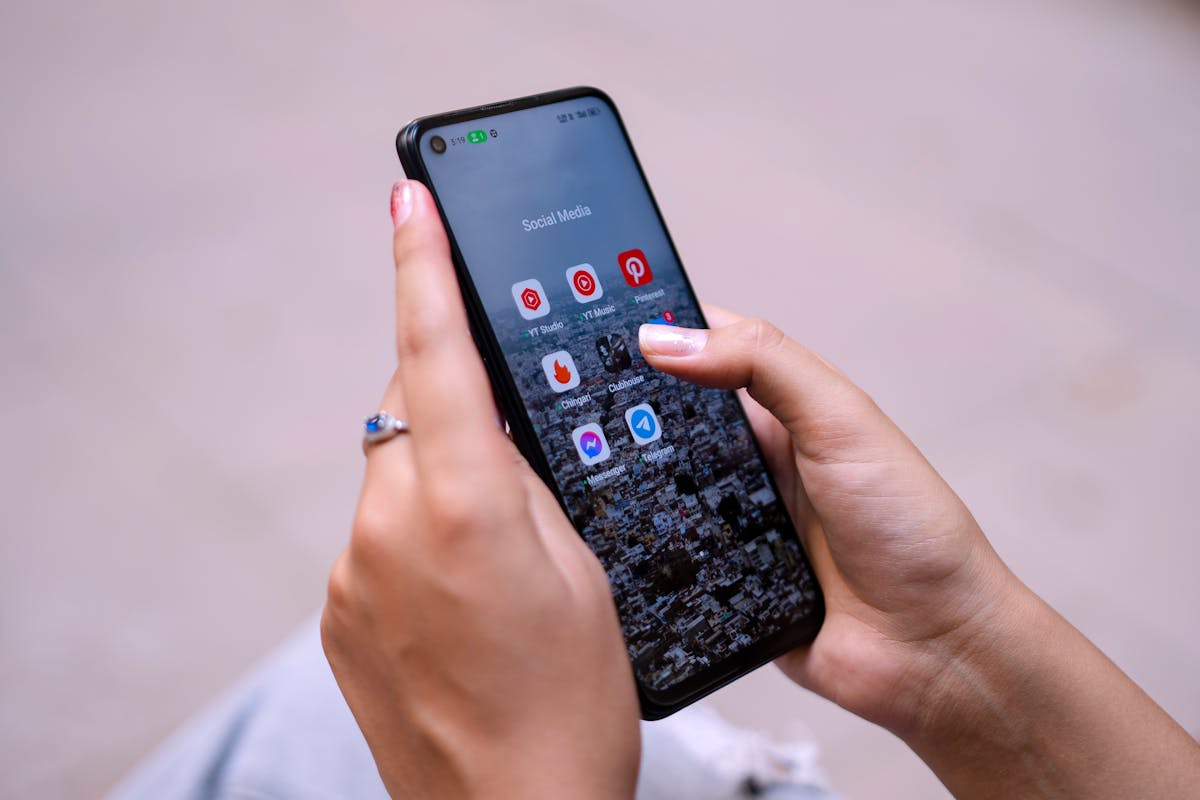
Dating apps designed for swiping prioritize appearances over personality, rewarding instant judgments rather than thoughtful evaluation. Users assess potential partners based primarily on photos and short bios, encouraging snap decisions that undervalue deeper compatibility. The abundance of options creates a sense of endless alternatives, reducing motivation to invest in any single connection. As a result, emotional engagement is minimized, and relationships are frequently abandoned before they develop meaningful depth.
Swipe culture fosters impatience and unrealistic expectations. Individuals may anticipate instant chemistry and constant excitement, only to be disappointed when the initial spark fades. This environment encourages shallow interactions, where the effort to truly understand a partner is de-emphasized. Emotional vulnerability is discouraged, and the habit of discarding potential matches before investing emotionally becomes normalized, quietly eroding the quality of romantic engagement.
Ghosting Normalizes Avoidance Instead of Communication
Disappearing without explanation has become an all-too-common strategy in modern dating. Ghosting allows individuals to evade difficult conversations, but it undermines accountability, trust, and emotional resilience. Those left in uncertainty experience confusion, self-doubt, and heightened anxiety, creating lingering psychological effects that impact future relationships. This behavior reinforces the notion that avoidance is an acceptable alternative to honest dialogue, setting a precedent for emotional disengagement.
The normalization of ghosting prevents the development of critical relational skills. Without confronting conflict or expressing needs, individuals fail to cultivate empathy, patience, and effective communication strategies. Over time, this fosters a culture in which people expect partners to tolerate abrupt disengagement or unresolved tension, weakening the foundation for long-term romantic stability and emotional intimacy.
Overreliance on Texting Reduces Genuine Connection

Text-based communication dominates early interactions, often replacing face-to-face engagement. Nuances such as body language, tone, and microexpressions are lost or misinterpreted,leading to misunderstandings and superficial assessments of compatibility. Individuals may confuse witty or frequent messaging with emotional intimacy, delaying meaningful in-person interaction and masking genuine personality traits. This overreliance on text communication undermines the development of authentic connection.
Digital messaging encourages selective self-presentation. Users curate responses, edit emotions, and hide vulnerability, which slows authentic discovery of a partner’s values and intentions. Romance suffers when real-world chemistry is postponed or replaced by controlled digital exchanges. Texting-centric interactions reinforce surface-level judgments, leaving emotional depth and mutual understanding underdeveloped.
Social Media Comparison Fuels Dissatisfaction and Insecurity
Exposure to curated online portrayals of relationships fosters unrealistic expectations and constant comparison. Couples often showcase idealized moments while concealing struggles, creating pressure for singles and partners to perform or measure themselves against unattainable standards. This trend cultivates envy, insecurity, and dissatisfaction, shifting focus from genuine engagement to social validation.
Constant comparison undermines confidence and authenticity. Individuals may prioritize impressing others over nurturing a genuine connection, allocating emotional energy to image management rather than to shared experiences. Over time, this practice weakens relational stability and reduces satisfaction, making partners less resilient to challenges and more likely to abandon meaningful connections in pursuit of perceived perfection.
Hookup Culture Promotes Instant Gratification Over Emotional Investment
Casual encounters and short-term relationships dominate the contemporary dating narrative, emphasizing sexual exploration at the expense of emotional depth. While physical exploration can be healthy, prioritizing immediate satisfaction often reduces the perceived value of communication, trust, and commitment. Emotional bonds are often neglected, leading to a pattern of transactional interactions and fostering emotional detachment.
Hookup culture reinforces habits of superficiality. By decoupling pleasure from relational investment, individuals may develop patterns of seeking validation over cultivating trust. Long-term relational skills, such as compromise, patience, and mutual understanding, are underdeveloped, leaving intimacy and commitment vulnerable to neglect. Emotional maturity is compromised as instant gratification becomes normalized.
Overanalyzing Digital Interactions Breeds Anxiety

Metrics such as likes, read receipts, and response times create opportunities for overanalysis, where dating becomes a cognitive exercise rather than a genuine emotional experience. Singles may obsess over interpreting small details, waiting for responses, or decoding ambiguous behavior. This hyperfocus reduces spontaneity and fosters stress, shifting attention from shared experiences to performance evaluation.
Overanalyzing digital interactions diminishes authenticity. Individuals may alter their behavior to optimize responses or impress others, rather than express their true feelings. Over time, constant scrutiny of digital behavior inhibits vulnerability and reduces the quality of connection, weakening the emotional foundation required for meaningful romantic relationships.
Instant Gratification Weakens Patience and Commitment
Modern dating emphasizes rapid results and immediate feedback, undermining the natural pacing of relationship development. Individuals expect quick chemistry, instant reciprocity, and rapid progression, abandoning promising connections at the first signs of difficulty. This expectation erodes the patience required to navigate challenges, build trust, and develop emotional intimacy over time.
Long-term bonds rely on adaptation, compromise, and gradual effort. Instant gratification fosters impatience, leading to premature disengagement and avoidance of necessary relational work. Individuals may underestimate the value of shared growth, allowing fleeting emotions to replace enduring connection and commitment.
FOMO and Excessive Choice Complicate Decision-Making
The proliferation of dating apps and social networks increases perceived options, leading to a fear of missing out. Individuals may hesitate to commit, believing a better partner exists just a swipe away. This overabundance complicates decision-making, fostering indecision and shallow engagement. Emotional energy is divided among multiple potential partners, reducing focus on cultivating depth with a single individual.
Commitment requires prioritization, trust, and willingness to invest. FOMO discourages these behaviors, creating hedging, comparison, and avoidance. Relationships formed under these conditions often lack resilience, stability, and the capacity for long-term satisfaction.
Performative Dating Emphasizes Image Over Authenticity

Performative behavior in dating prioritizes appearance, social approval, and staged experiences over genuine self-expression. Individuals curate photos, gestures, and profiles to impress peers or potential partners, limiting authentic communication. Vulnerability, honesty, and emotional openness are sacrificed, weakening the ability to build deep relational bonds.
Prioritizing performance reduces intimacy and authenticity. Connections based on perception rather than substance are fragile and shallow. Emotional investment diminishes as interactions focus on external validation, leaving relationships ill-equipped to withstand challenges or foster genuine growth.
Conclusion
Modern dating trends shape interactions in ways that quietly erode trust, emotional intimacy, and commitment. Swipe culture, ghosting, texting overuse, social media comparison, hookup prioritization, overanalysis, instant gratification, FOMO, excessive choice, and performative behavior collectively undermine authentic connection.
Romance thrives on patience, vulnerability, and sustained effort, yet these trends encourage avoidance, distraction, and superficial engagement. Recognizing these patterns allows individuals to prioritize meaningful interaction, build emotional resilience, and cultivate relationships grounded in authenticity, depth, and lasting connection.


