Unveiling the Strange Ingredients Hiding in Your Everyday Foods and Products
Have you ever flipped over a product label only to find an unrecognizable list of ingredients that seem more at home in a chemistry lab than your kitchen? If so, you’re not alone. We all know that many processed foods contain a range of additives and substances, some of which are downright strange. From seaweed in chocolate milk to the unexpected presence of maggots in mushrooms, the truth behind what we eat can be as bizarre as it is concerning.
Here, we explore ten unusual ingredients that are often found in common foods and products. These ingredients are often overlooked but deserve a closer look to understand what’s really inside our favorite snacks and meals.
Propylene Glycol

Propylene glycol, a common ingredient in cake mixes, frostings, and other processed foods, is also used as an antifreeze. It helps maintain moisture and texture in foods, but is more commonly known for its industrial use in preventing pipes from freezing. While it’s considered safe for consumption in small quantities, propylene glycol is a synthetic chemical that many people would prefer to avoid in their food. The fact that it’s used in both food and industrial applications makes its inclusion in cake mixes and other snacks all the more strange.
Lanolin
Many breakfast cereals, especially those fortified with Vitamin D, contain lanolin, a byproduct derived from sheep’s wool. This greasy substance is typically used by the sheep to waterproof their wool, and it’s considered a natural moisturizer in cosmetics. But did you know that lanolin is also used to fortify cereals? It’s a common ingredient in brands like Kellogg’s Special K and Nestle’s Milo, among others.
While lanolin is safe for consumption and often used in skincare products, its presence in food products has raised concerns for vegetarians and vegans who may be unknowingly consuming animal-based ingredients. The lack of clear labeling makes it difficult for consumers to know where their food is coming from, which can be especially frustrating for those trying to avoid animal-derived ingredients.
Gypsum
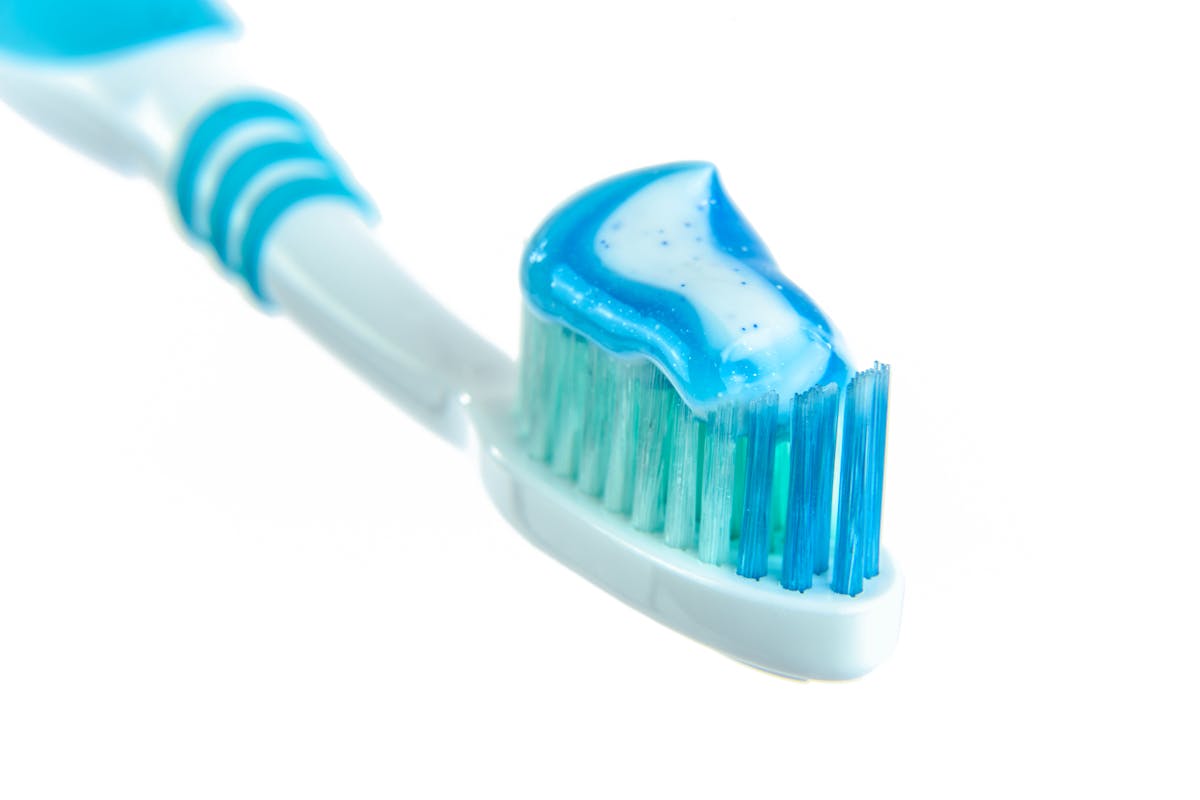
If you think that the ingredients in your toothpaste are designed solely to clean your teeth, think again. One surprising component found in many toothpaste brands is gypsum, a brittle white rock that’s also used in construction materials like drywall. Although gypsum is considered safe to ingest in small quantities, it’s still unsettling to think of brushing your teeth with a mineral typically associated with building and construction.
Gypsum also acts as a source of added calcium in various food products, including canned vegetables and some ice creams. While not harmful in small amounts, the use of gypsum in everyday items raises questions about how many other unconventional ingredients are lurking in our foods.
Carrageenan
It’s easy to dismiss carrageenan as just another unpronounceable ingredient, but it’s much more than that. Carrageenan, a natural substance derived from red seaweed, is commonly used as a stabilizer in products like chocolate milk, ice cream, and yogurt. It gives these products that smooth texture we all crave, and it’s hailed as a plant-based alternative to more synthetic binders.
However, recent research has revealed a darker side to this seemingly harmless ingredient. Studies have linked carrageenan to digestive issues, including inflammation and gastrointestinal distress. Long-term exposure could contribute to conditions like irritable bowel syndrome (IBS) and ulcerative colitis. While the FDA still considers it “generally recognized as safe,” growing concern is pushing for a reevaluation of carrageenan’s safety, particularly in organic products.
Maggots

The idea of eating maggots is enough to make anyone lose their appetite, but it’s a reality that’s more common than you might think. Under FDA guidelines, it’s acceptable for mushrooms to contain a certain number of maggots, specifically, up to 20 maggots per 100 grams of mushrooms. While the FDA ensures that the amount remains within acceptable limits, it’s still unsettling to realize that you could be eating maggots along with your mushrooms.
This policy falls under the category of “natural contaminants,” which includes other food “defects” like rodent hairs, insect parts, and mold. While the presence of these contaminants isn’t considered dangerous, the idea of eating them can be difficult for many people to stomach.
Brominated Vegetable Oil
Brominated vegetable oil (BVO) is a chemical additive that’s used to keep artificial flavors from separating in beverages like sodas and sports drinks. It’s made from bromine, a chemical element that’s found in toxic flame retardants. The use of BVO in food products is controversial due to its potential health risks. Long-term exposure to bromine can lead to a variety of health problems, including skin irritation, memory loss, and neurological issues like impaired balance and coordination.
Despite being banned in many countries, BVO is still permitted in the United States, leading many consumers to question why such a dangerous substance is allowed in their favorite drinks.
Dimethylpolysiloxane
Dimethylpolysiloxane, also known as PDMS, is a form of silicone that’s commonly used in fast food to prevent foaming and improve the texture of food. It’s also found in products like caulks, lubricants, and cosmetics. While PDMS is considered safe by the FDA, its presence in food raises concerns about the use of industrial chemicals in everyday consumables. This silicone compound is used in everything from chicken nuggets and fries to cinnamon twists at fast food chains like McDonald’s and Taco Bell.
Though it may seem bizarre, PDMS is added to prevent food from bubbling over during cooking and to enhance the overall eating experience. While not toxic, PDMS is certainly an unexpected addition to your meal.
Shellac: The Bug Secretions on Your Fruit
Shellac is a resin secreted by the lac bug and is commonly used as a coating for fruits, candies, and even pills. It gives these products a glossy, appealing shine, but is far from being edible food. Although shellac is considered safe by the FDA, it is still a product of an insect’s bodily secretion. It’s used to prevent moisture loss in fruits and vegetables, making them look fresher for longer. Despite its widespread use, the fact that shellac is derived from bugs makes it one of the more bizarre food additives on the market.
Cellulose: The Sawdust in Your Cheese
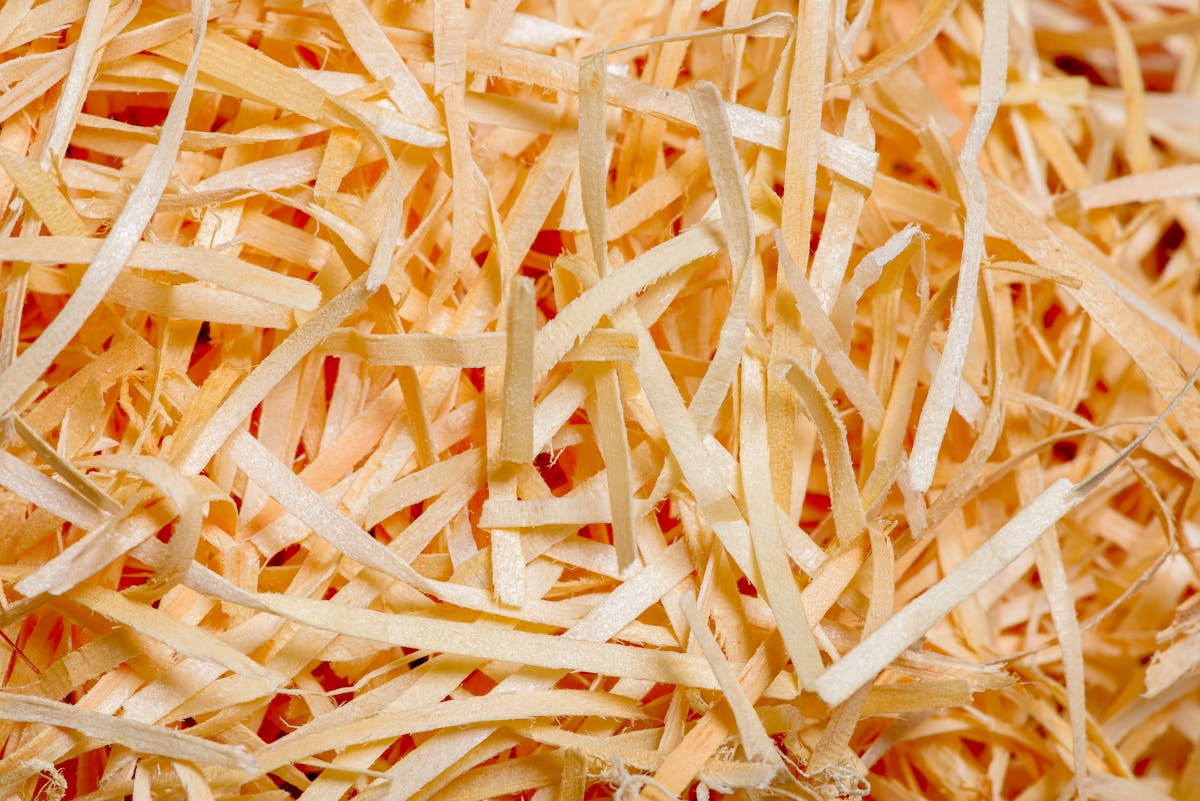
Cellulose, also known as wood pulp, is another unlikely ingredient that often appears in processed foods. While it’s most commonly used as a filler in pre-grated Parmesan cheese, it’s also found in a variety of other food products like salad dressings, cookies, and even some breakfast cereals. Though it may sound like something you’d find in a woodworking shop, cellulose is a safe, edible substance that’s actually a form of dietary fiber.
However, the fact that some brands of cheese contain up to 10% cellulose raises serious questions about food transparency and quality. While it’s not dangerous, the addition of wood pulp to food products is a strange and misleading practice that many consumers are unaware of.
Conclusion
The ingredients in everyday foods and products can be surprisingly strange and often not what we expect. While many of these ingredients are deemed safe by regulatory bodies like the FDA, there is an increasing demand for transparency and better labeling practices. As consumers, it’s important to stay informed about what we’re putting into our bodies and to question the presence of unusual additives and chemicals in our food.
By doing so, we can make better, more informed choices about the products we consume and encourage the food industry to prioritize our health and well-being.