10 Home Features That Are Actually Turning Buyers Away in 2026
In 2026, the homebuying landscape is changing rapidly, and some features that once seemed appealing are now falling out of favor. While certain upgrades might seem like a good idea for increasing value, they might actually be driving potential buyers away.
From outdated design choices to poorly executed renovations, these features can make a home feel less desirable. Understanding what today’s buyers are looking for ,and what they’re avoiding , is key to making sure your home stays competitive in the market.
Overly Modernized Homes
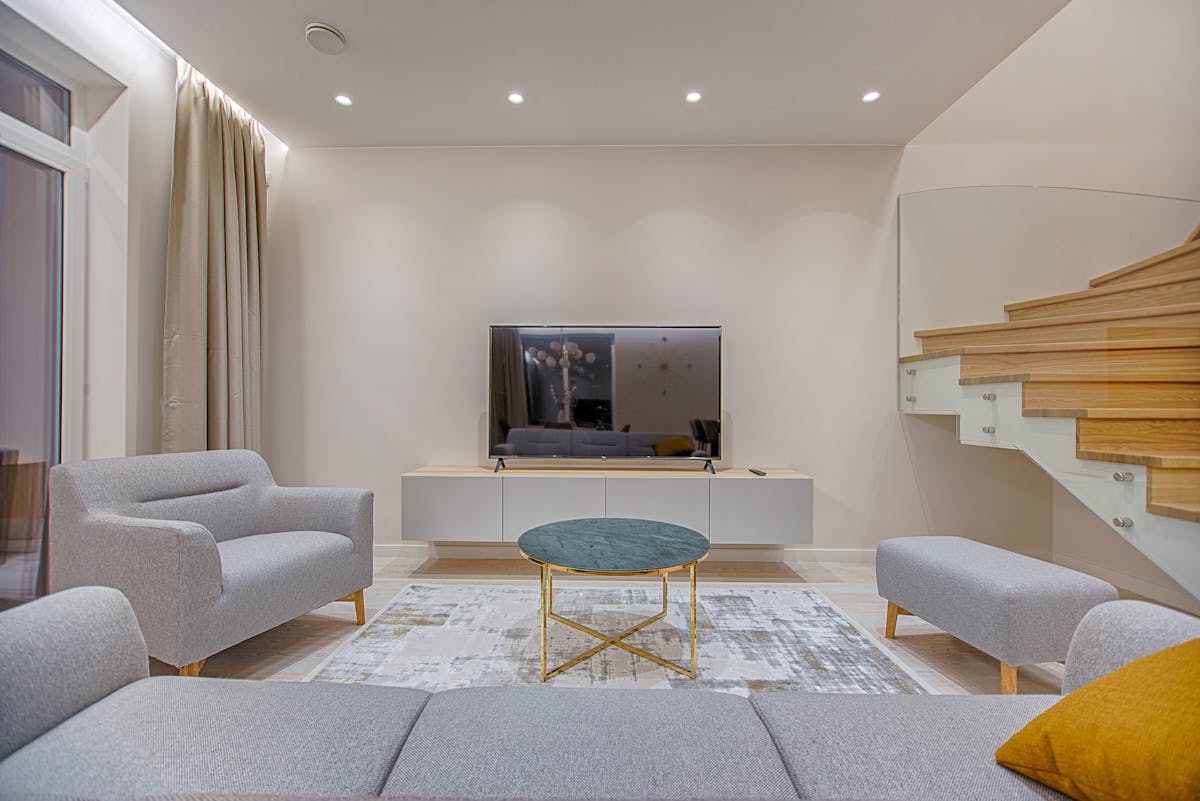
In today’s market, homes that are overly modernized to the point of losing their unique character can actually turn buyers away. While sleek, minimalist designs may seem appealing to some, many buyers are now craving personality and warmth in a home.
A sterile, “perfect” home devoid of historical or personal details often lacks the soul buyers increasingly seek. Over-polished spaces that feel like they could be anywhere don’t stand out in a competitive real estate market.
Excessive Open Shelving
While open shelving can add style and functionality, too much of it can make a home feel cluttered and chaotic. For many buyers, the appeal of open shelving wears off when they realize it requires constant maintenance to look neat.
The idea of keeping everyday items on display is not as practical as it sounds, and many buyers would prefer closed cabinets that hide away clutter. Overloading kitchens or bathrooms with open shelves may turn off those who value clean, organized spaces.
Dark Wood Floors
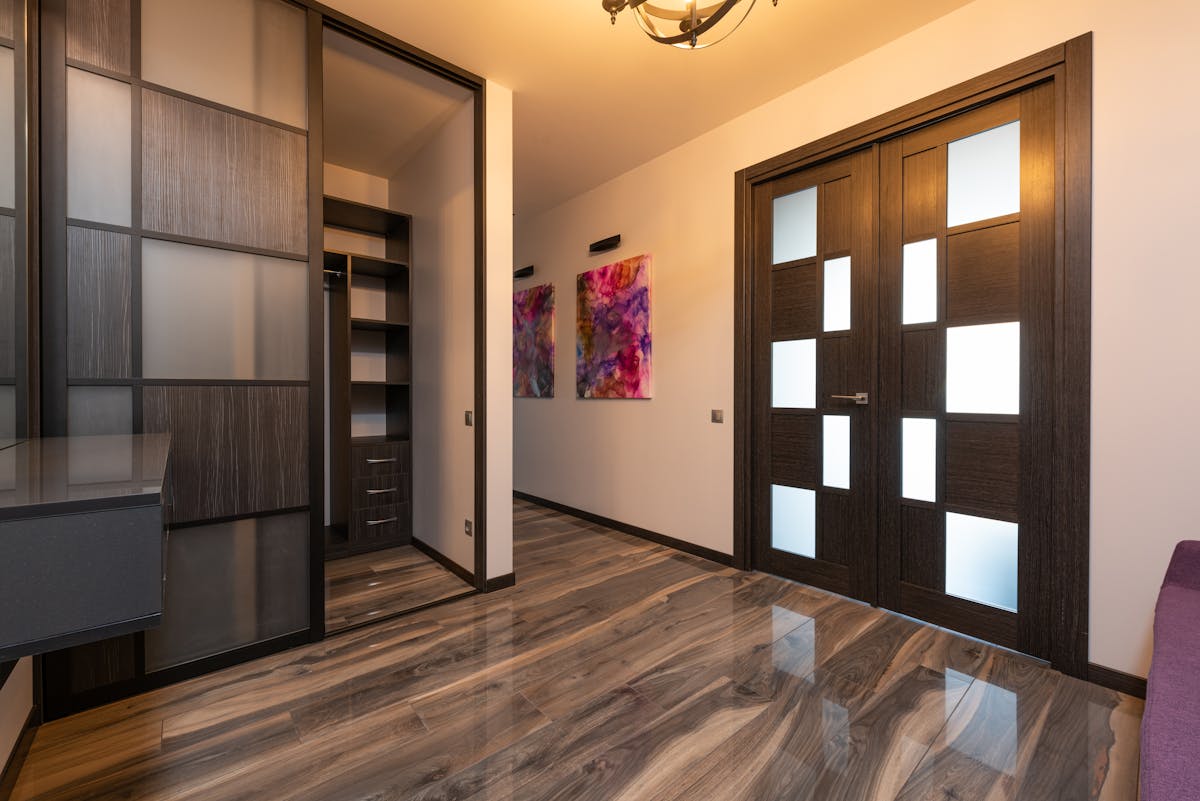
While dark wood floors have been a staple in home design for many years, their popularity is beginning to wane. They can make spaces feel smaller, darker, and more enclosed, which is not the vibe that today’s buyers are after.
Lighter woods or neutral-toned flooring are becoming the preferred choice because they open up rooms and create a brighter, more airy atmosphere. Dark wood floors can often be seen as dated and heavy, making them less appealing to buyers seeking a fresh, modern feel.
Overly Industrial Styles
Industrial-style homes, once a major trend, are now falling out of favor with many buyers. Exposed metal beams, raw concrete floors, and unfinished interiors can feel cold and uninviting. While these elements can add a unique touch in the right setting, they are often seen as too harsh and impersonal for the home environment.
Buyers are now looking for warmth and comfort, and industrial features can make a home feel more like a warehouse than a cozy living space.
Excessive Luxury Features
While luxury features like gold fixtures, marble countertops, and high-end appliances may seem like a selling point, they can actually alienate many buyers. Overly extravagant design choices can make a home feel out of touch with the reality of modern living.
Buyers are now more interested in practical luxury that offers comfort and efficiency, rather than opulence that may feel ostentatious or excessive. Homes that prioritize understated elegance over luxury excess tend to appeal more to today’s buyers.
Too Many Statement Walls
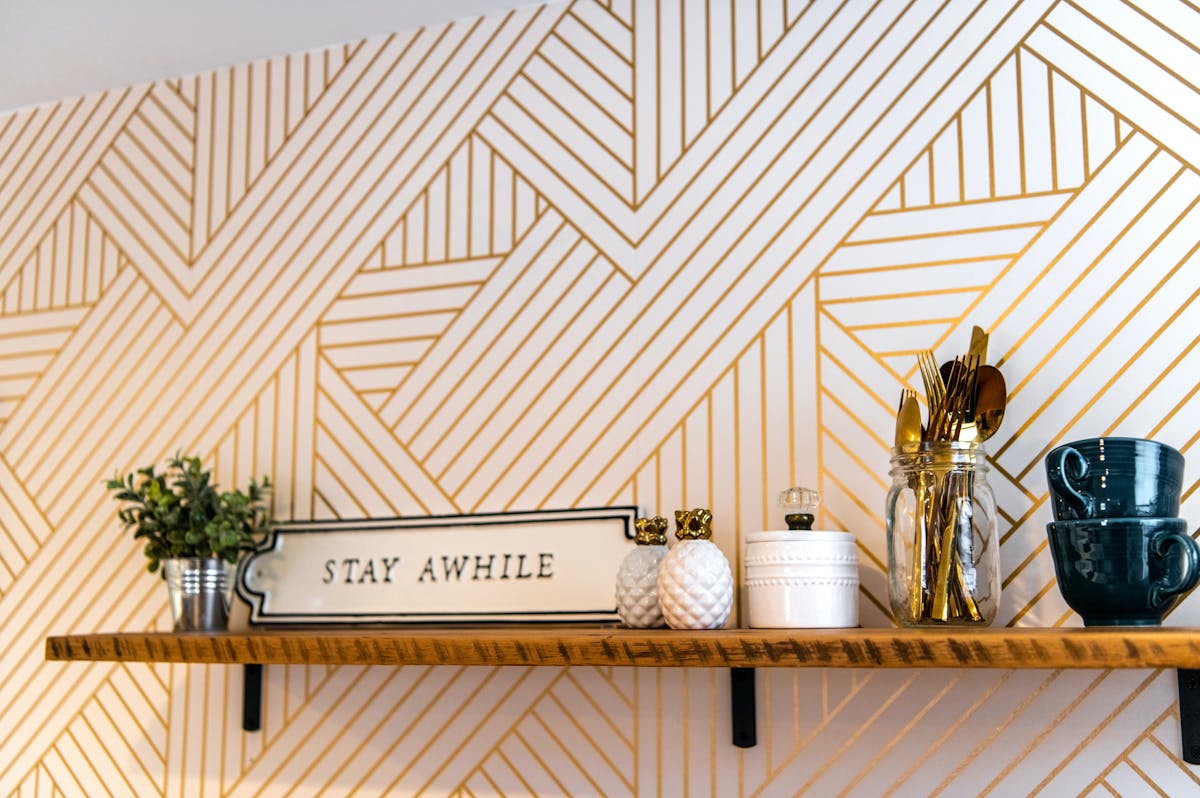
While statement walls are a fun design choice for some, they can easily overwhelm a space if overdone. Bold colors, intricate wallpapers, or dramatic patterns can make a room feel disjointed or chaotic when not used carefully.
Today’s buyers are looking for a cohesive, balanced design that flows naturally from room to room. Too many statement walls can distract from the home’s overall aesthetic and make it feel less harmonious.
Outdated Home Technology
While smart home features are in high demand, outdated or poorly integrated technology can have the opposite effect. Old security systems, clunky thermostats, and unreliable smart devices can make a home feel dated and less functional.
Buyers are looking for seamless, easy-to-use technology that enhances their daily lives. If a home’s tech is outdated or doesn’t work properly, it can be a major turnoff, making the home feel less desirable.
Faux Finishes
Faux finishes, such as faux wood floors, synthetic stone countertops, or imitation tiles, are becoming less appealing to homebuyers. While these finishes may be cheaper, they often don’t meet the same standards as real materials, both in aesthetics and durability.
Buyers are now more focused on long-term investment, preferring real, high-quality materials that will last. Faux finishes can make a home feel less authentic, and many buyers are turning away from homes that rely heavily on them.
Large, Overly Ornate Fixtures
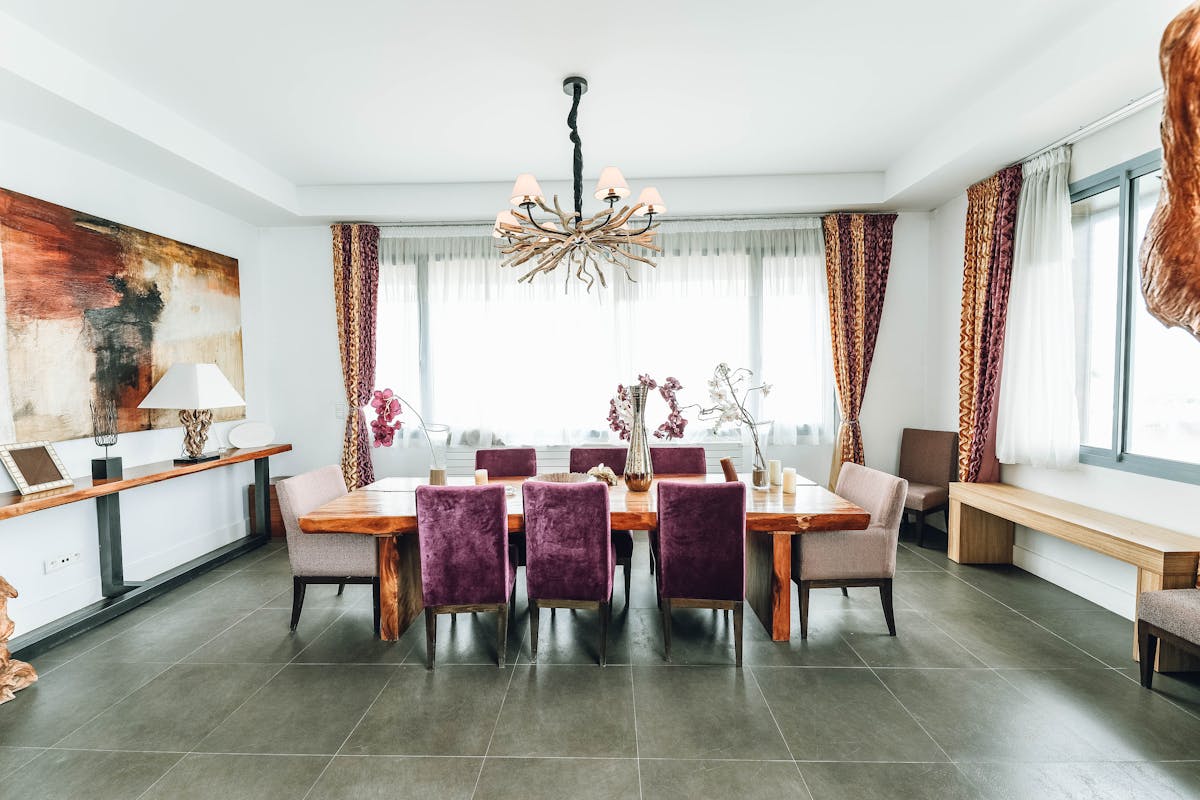
Overly ornate fixtures, whether chandeliers, light fixtures, or cabinetry,can easily distract from a home’s natural beauty. Many buyers today are looking for clean, simple designs that don’t compete for attention.
While high-end fixtures can add value, they should be subtle enough to complement the space rather than overpower it. Excessive ornamentation often feels out of place in a home designed with a modern or minimalist aesthetic.
Overly Customized Spaces
Customization is great, but overly personalized spaces can be a barrier for potential buyers. Homes with bright, bold colors, custom-built furniture, or unusual layouts may not suit everyone’s tastes. While these features can make a home unique, they can also make it harder for buyers to envision themselves living there.
Buyers tend to favor spaces that are more neutral and adaptable, where they can easily make the space their own without tearing down someone else’s design choices.
Conclusion
As the market shifts in 2026, it’s clear that buyers are prioritizing homes with charm, character, and practicality. Features that once seemed essential are now being pushed aside in favor of more timeless, functional elements.
Homeowners should be mindful of trends that may turn buyers away and focus on creating spaces that feel welcoming, modern, and adaptable.
By understanding the features that are truly desirable, sellers can make more informed decisions that will attract the right buyers and make their homes stand out.