10 Healthy Foods That Can Become Risky When We Overeat Them
Healthy food can still backfire when portion control slips away. The problem is not the food itself. The problem is turning a smart choice into a daily overload.
Tuna

Tuna provides lean protein and omega-3 fats, but frequent consumption can increase mercury exposure. The FDA advises choosing lower-mercury fish more often and limiting higher-mercury options, especially for children and pregnant people.
Spinach

Spinach deserves its healthy reputation, but it is also high in oxalates. For people prone to kidney stones, excessive spinach intake can be problematic, especially without sufficient dietary calcium.
Cinnamon
Cinnamon looks harmless in coffee, oats, and smoothies. Cassia cinnamon may contain coumarin, which can be problematic for sensitive people or those with liver disease when used heavily for long periods.
Almonds
Almonds bring fiber, magnesium, and healthy fats. Overeating them can quickly add large calorie loads, and for some stone-prone people, nut oxalates may matter.
Dark Chocolate

Dark chocolate can fit a healthy diet, but large daily amounts can add extra caffeine, calories, and sometimes concerns about heavy metals. The smarter move is to treat it like a rich food, not a free health supplement.
Avocados
Avocados offer heart-healthy fats, but one large avocado can carry more calories than many people expect. Eating them on everything can quietly crowd out protein, vegetables, and other needed foods.
Greek Yogurt
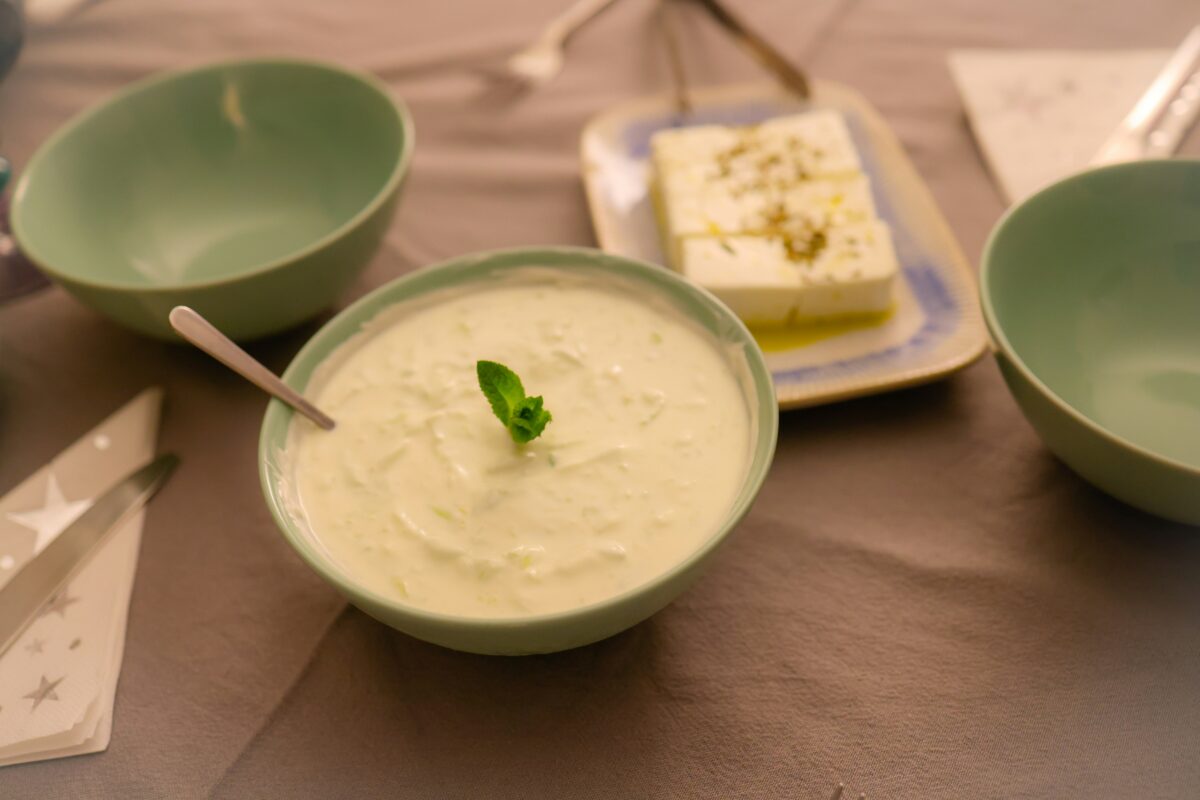
Plain Greek yogurt can be a strong protein choice. Sweetened versions can carry enough added sugar to turn a healthy snack into a dessert with a fitness label.
Carrots
Carrots are rich in beta carotene. Huge daily amounts can tint the skin orange, which is usually harmless but still signals that balance has left the plate.
Eggs
Eggs are affordable and nutrient-rich. For people managing cholesterol or heart risk, the best amount depends on the full diet, medical history, and advice from a clinician.
Calcium Fortified Foods

Calcium supports bones, but more is not always better. The NIH notes that high supplemental calcium intake may raise kidney stone risk, and adults have upper intake limits.
Conclusion
The healthiest plate is not built from fear. It is built on variety, portion control, and common sense. Tuna, spinach, Brazil nuts, grapefruit, cinnamon, liver, and even water can all be part of a smart diet, but none should become an obsession.
The safest pattern is simple: rotate foods, respect serving sizes, and treat concentrated nutrients with care.