10 Walkable Vacation Towns Americans Prefer When Driving Ruins the Trip
Vacations are supposed to feel freeing, yet so many Americans find themselves trapped in a loop of traffic, parking fees, and rideshare chaos. That is why walkable vacation towns are surging in popularity, offering travelers a rare chance to park once and truly unwind. Moving at a human pace allows visitors to discover hidden cafes, quaint boutiques, and scenic streets without the constant stress of driving, making each moment of a getaway feel lighter, slower, and infinitely more enjoyable.
Savannah Makes the Car Feel Like Dead Weight
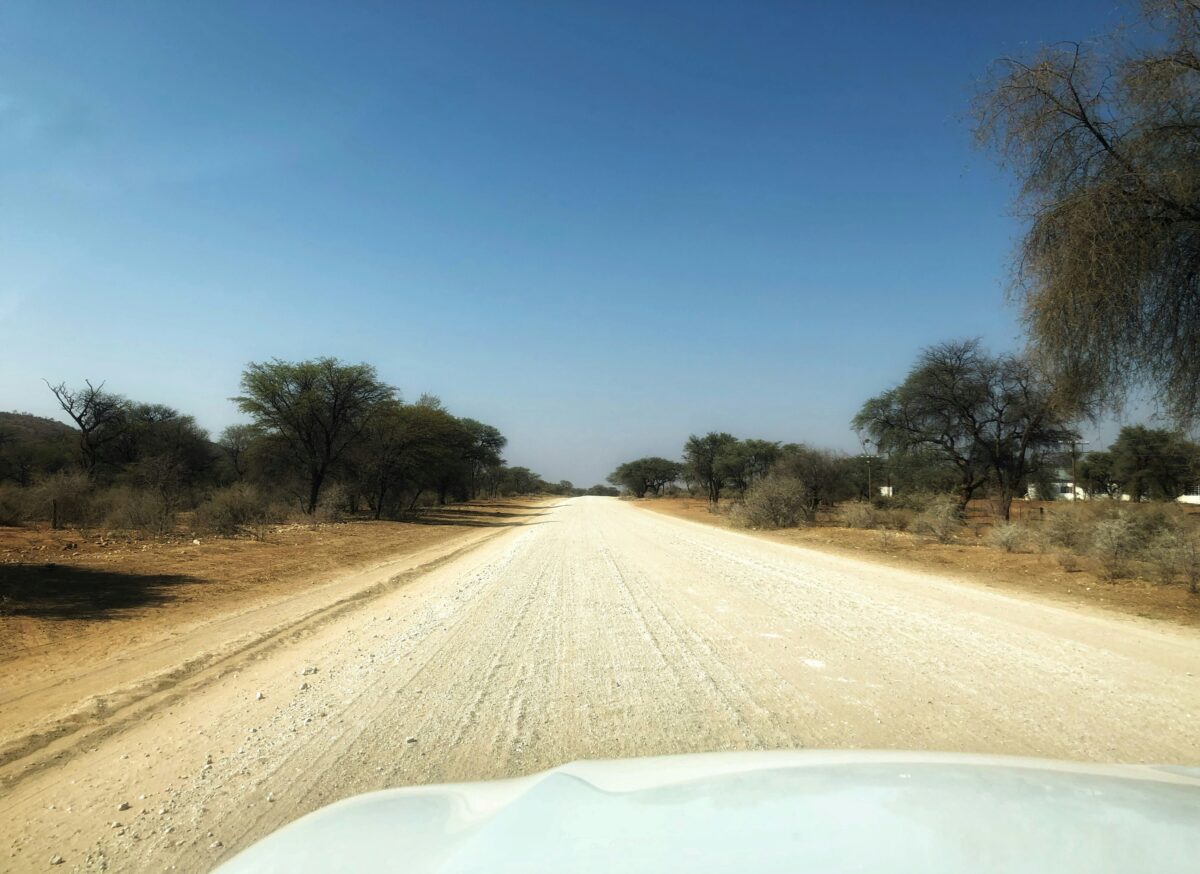
Savannah’s historic district rewards leisurely wandering through leafy squares, cobblestone streets, and riverfront shops, letting travelers enjoy museums, cafes, and galleries without circling for parking or paying for every stop.
Couples, families, and older visitors can relax while soaking up Southern charm and historic architecture, feeling the city’s rhythm rather than fighting traffic. Walking here transforms a stressful trip into an immersive experience where every turn holds a small delight.
Charleston Can Punish Poor Planning
Charleston’s downtown is full of historic homes, vibrant streets, and waterfront views that can quickly feel frustrating if explored by car. Staying close to the peninsula’s core allows visitors to bypass parking headaches and traffic congestion while exploring restaurants, art galleries, and local shops. Once parked, the city opens up, revealing its charm at a pace that lets visitors savor its rich culture, culinary delights, and timeless architecture.
Key West Is Too Small for Driving Drama
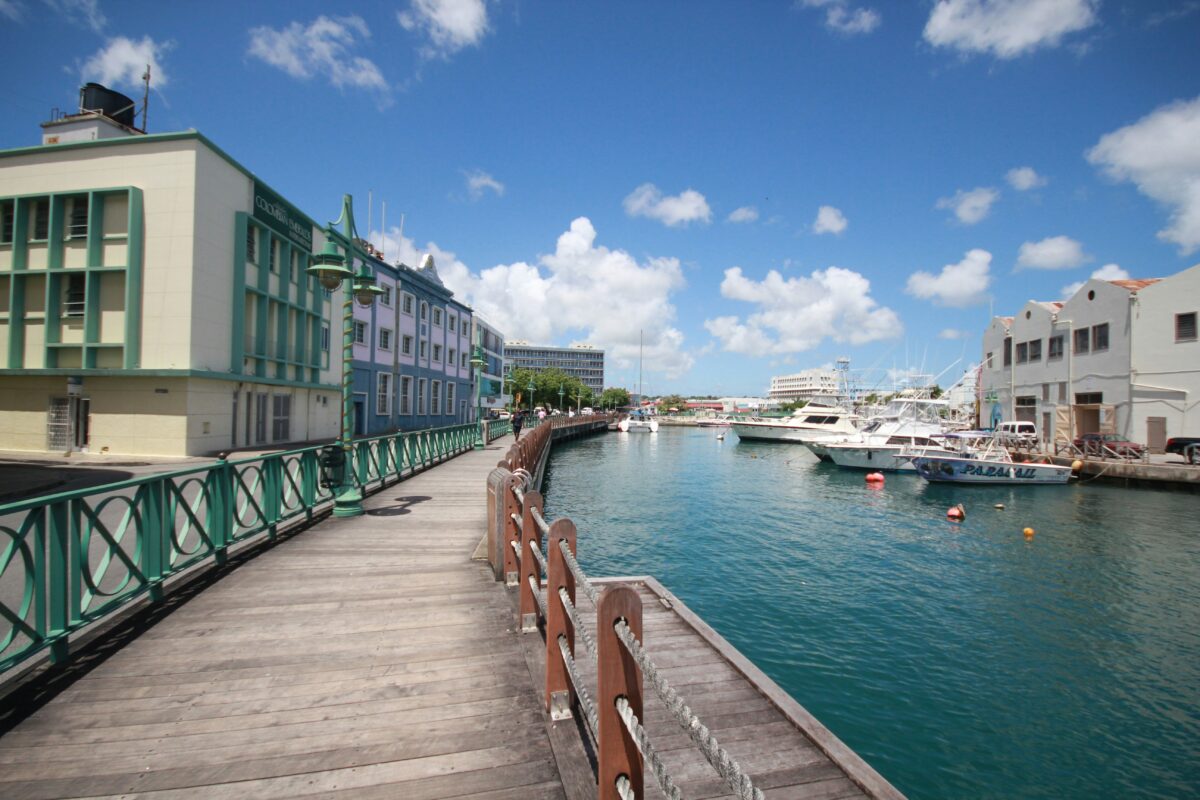
Key West’s compact streets, Duval Street hotspots, and charming pastel neighborhoods are built for walking and biking. Visitors can skip rideshare fees and endless traffic loops while enjoying bars, restaurants, galleries, and the iconic sunset views. By leaving the car behind, travelers immerse themselves in the island’s vibrant energy and quirky local culture, creating a trip that feels unhurried and effortless.
Asheville Works Best When You Stay Downtown
Asheville combines arts, food, and music in a compact downtown and South Slope brewery district that can be fully enjoyed on foot. Travelers can hop between coffee shops, galleries, restaurants, and breweries without the constant stop-and-start rhythm of driving. Even for visitors planning trips to the mountains, having a walkable downtown base turns evenings into relaxed, stress-free exploration rather than a logistics puzzle.
New Orleans Is Better Without Parking Panic
New Orleans offers music, culture, and cuisine in neighborhoods like the French Quarter, Marigny, and the Garden District, all best experienced on foot. By limiting car use, visitors can freely explore restaurants, street music, riverfront walks, and historic architecture while avoiding traffic congestion and costly parking. Walking allows travelers to savor the city’s chaotic charm at a pace that encourages discovery and enjoyment.
Bar Harbor Saves Visitors From Park Traffic
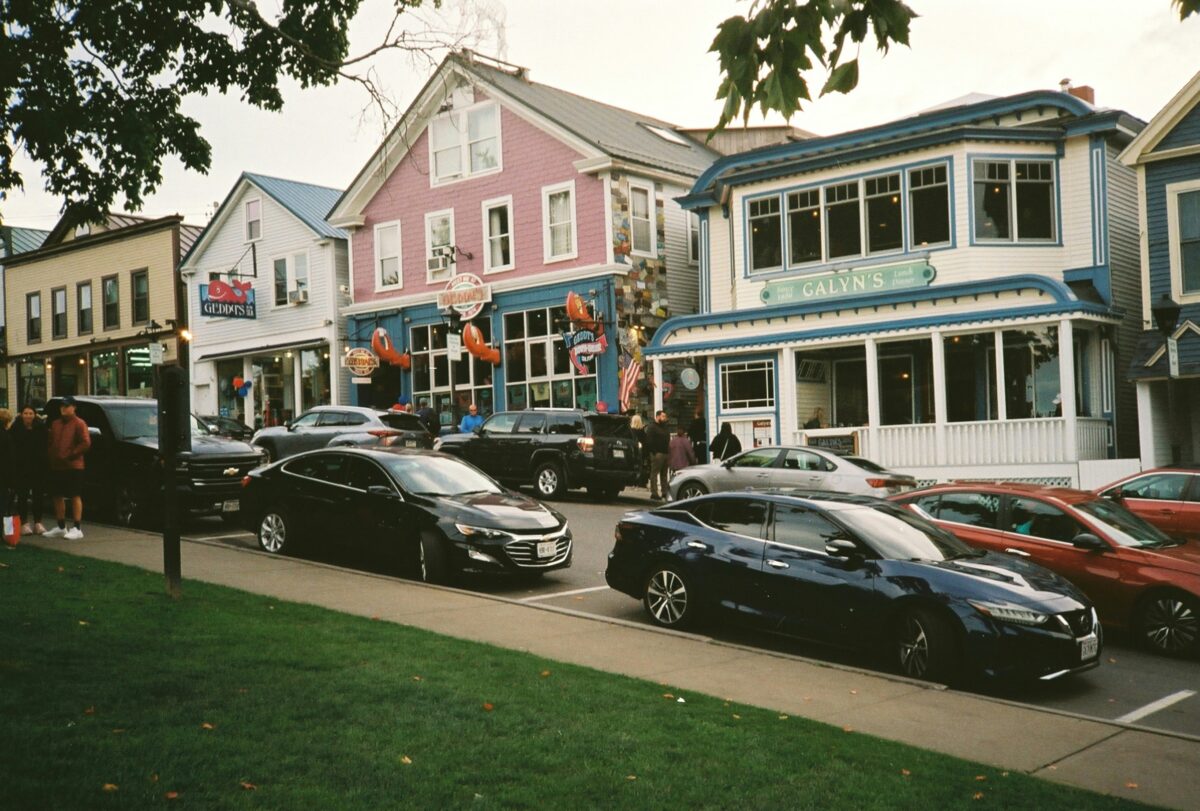
Bar Harbor’s compact downtown provides shops, restaurants, and waterfront attractions within easy walking distance, giving travelers a break from parking stress. Seasonal shuttles offer easy access to Acadia National Park, letting visitors explore trails, beaches, and scenic spots without constant driving. This approach keeps energy focused on nature, sightseeing, and relaxation rather than on time-consuming logistics.
Downtown Napa Cuts the Wine Country Driving Problem
Downtown Napa concentrates tasting rooms, restaurants, boutiques, and galleries within a short stretch, minimizing the need to drive between wineries. Visitors can enjoy wine country flavors, local food, and art without transforming the day into a navigation challenge. Staying downtown creates a manageable, immersive wine experience while reducing stress, traffic, and rideshare expenses.
St. Augustine Turns History Into a Walking Trip
St. Augustine’s historic streets, St. George Street, museums, and fort provide a walkable setting that allows visitors to fully engage with centuries of history. Crowds and limited parking can frustrate drivers, but walking lets travelers absorb architecture, cobblestone charm, and local shops at a comfortable pace. The city becomes a living history lesson, with the car an afterthought, and exploration feels authentic.
Mackinac Island Is the Ultimate Escape From Cars
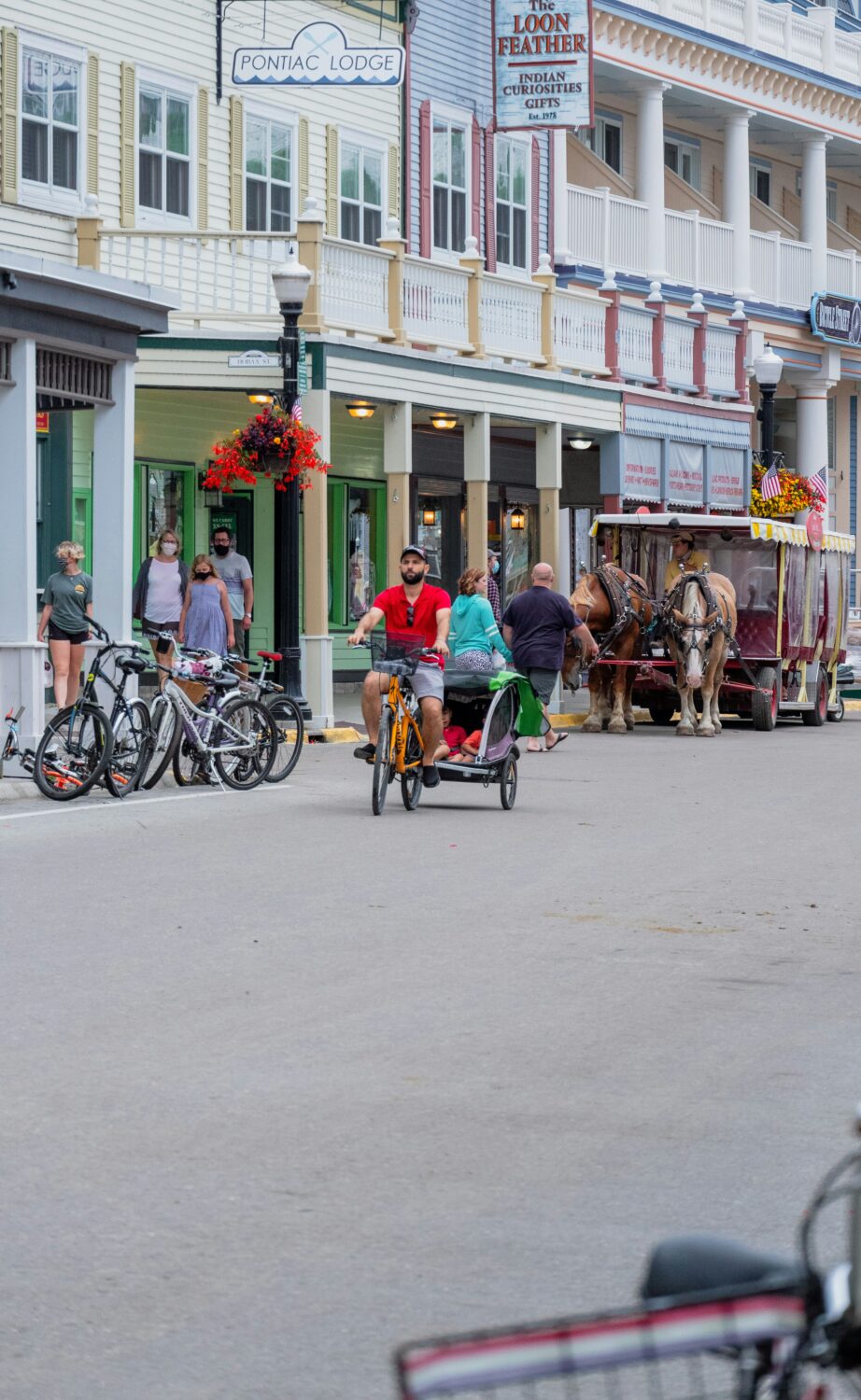
Mackinac Island bans most motor vehicles, leaving visitors to explore on foot, by bike, or in horse-drawn carriages. Streets and paths wind past historic homes, shops, and waterfront spots, offering a rhythmic, old-fashioned pace. Although ferries and rentals still require planning, the island offers a rare car-free escape that makes traffic, parking, and gas worries vanish.
Old Town Alexandria Makes Low Driving Feel Practical
Old Town Alexandria’s King Street, waterfront, shops, restaurants, and historic streets offer a walkable base that balances charm with convenience. Visitors can explore attractions on foot while staying close to Washington, D.C., avoiding the stress of urban driving and parking. This compact design allows for relaxed exploration, making it possible to enjoy history, shopping, and dining without ever having to return to the car.
Conclusion
Walkable vacation towns are redefining what Americans expect from travel, transforming logistics-heavy trips into leisurely adventures. By reducing reliance on cars, visitors can fully experience culture, scenery, and local life while saving time, energy, and money. Stepping outside, wandering the streets, and letting the day unfold naturally has become the real luxury, proving that the best vacations are often the simplest.