T-Mobile Is Moving Longtime Customers to New Plans, and Their Bills May Rise
T-Mobile customers who held on to older plans may soon see a different bill.
The company is moving some longtime customers from legacy plans such as Magenta, ONE, Simple Choice, and older Sprint-era options to newer 5G plans. For some accounts, that shift may come with a higher monthly cost.
The move is being described as a modernization of older plans. But for many customers, it feels like something else.
They kept those plans for a reason.
Old Plans Were Part of the Deal
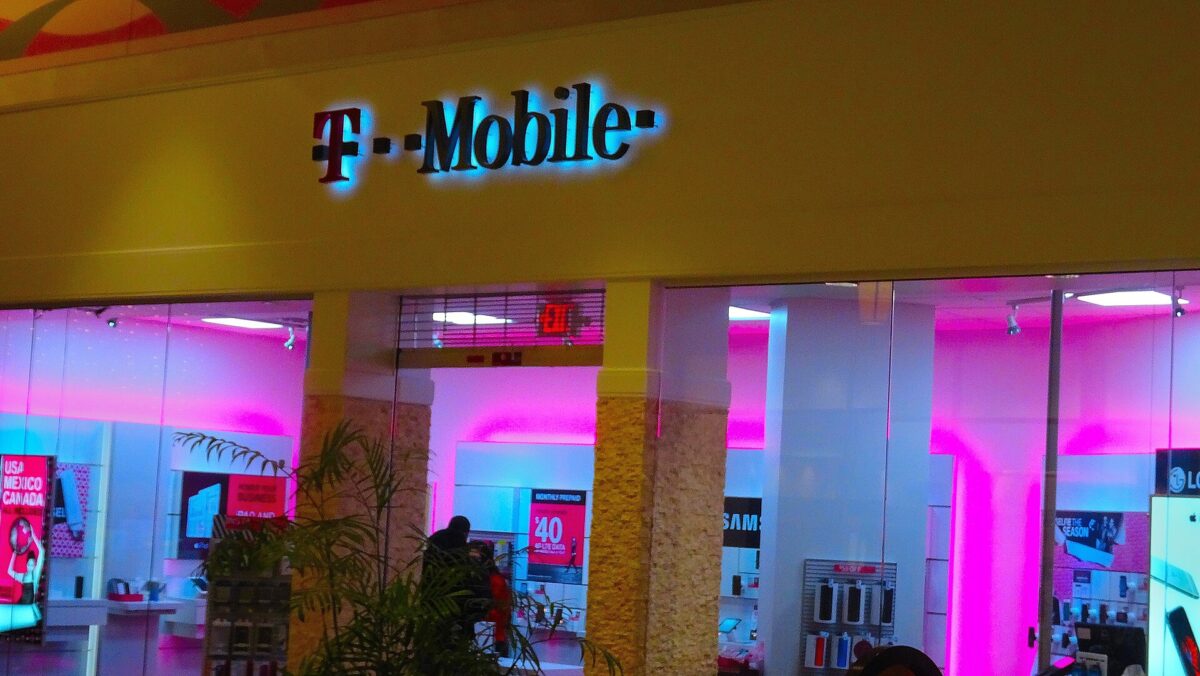
Many T-Mobile customers stayed on older plans because the price made sense.
The plans may not have had the newest perks. They may not have included the biggest hotspot allowances or the latest streaming bundles. But they were familiar. More importantly, they were predictable. That predictability mattered.
A wireless bill is not just another subscription. For families, it is a monthly household cost. When the price changes, the budget changes too.
That is why this move is drawing frustration. Customers are not simply reacting to a new plan name. They are reacting to the loss of a plan they chose to keep.
The Increase May Look Small Until It Adds Up
Reports have pointed to an average increase of around $4 per line for some affected customers.
On one line, that may not sound huge. On four lines, it becomes about $16 more each month. Over one year, that is nearly $200. If the increase is higher, the yearly cost rises even faster.
That number can grow again when a household has tablet lines, smartwatch lines, insurance, device payments, taxes, fees, or other account charges.
This is why customers should not focus only on the per-line figure. The full bill is what matters.
Why Customers Feel Let Down
T-Mobile built its reputation by saying it was different.
For years, the company leaned into its “Un-carrier” image. It told customers it was not like the old wireless giants. It promised simpler plans, fewer surprises, and a better deal. That message worked.
Many customers trusted T-Mobile because they believed the company would not treat them like traditional carriers often did.
Now, some of those same customers are being moved off the very plans they stayed loyal to protect.
That is why the reaction is emotional. The issue is not only the price. It is the feeling that an old promise has changed.
The New Plans May Offer More, but Not Everyone Needs More
T-Mobile’s newer plans may come with better features.
Some customers could receive more hotspot data, stronger international benefits, streaming perks, or newer 5G-related features. For some people, that may be useful.
A frequent traveler may welcome better roaming. A remote worker may need more hotspot data. A family that uses streaming perks may see value. But not everyone asked for those extras.
Some customers simply wanted to keep a reliable plan at a steady price. If they do not use the added benefits, the move can feel less like an upgrade and more like a forced upsell.
A perk only feels valuable when the customer actually wants it.
The Price Guarantee Has Limits
T-Mobile’s newer plans include a five-year price guarantee on core talk, text, and smartphone data.
That sounds reassuring. But customers should read the details carefully. A phone bill includes more than the base plan price.
Taxes, fees, device charges, insurance, add-ons, third-party services, and other account costs may still affect the final amount due.
So even if the main plan price is protected, the full bill may not be completely frozen.
For customers watching every dollar, that difference matters.
Loyal Customers May Feel Overlooked
The timing also stings. T-Mobile is still trying to attract new customers from Verizon and AT&T with switcher deals and device payoff offers.
That is normal in the wireless business. But it can feel unfair to longtime customers.
New customers are being courted with incentives. Loyal customers are being told their old plans are going away. That contrast is hard to ignore.
For some subscribers, it sends the wrong message: staying loyal may not protect the deal that made them stay in the first place.
Customers Should Check Their Bills Now
Affected customers should review their current bill before the next one arrives.
They should look at the base plan price, each phone line, device payments, free-line promotions, watch lines, tablet lines, home internet, taxes, fees, insurance, and add-ons.
Then they should compare that bill with the first statement after the plan change.
The key question is simple. Are we paying more for features we will actually use?
If the answer is yes, staying with T-Mobile may still make sense. If the answer is no, it may be time to compare other options.
Switching May Help, but Customers Should Be Careful
Some customers may decide to shop around.
Verizon, AT&T, prepaid carriers, and smaller wireless providers may offer plans that better match their usage.
But customers should not switch in anger without checking the details.
Leaving T-Mobile could mean losing device credits, old promotions, free lines, or bundle discounts. A cheaper-looking plan may not stay cheaper after taxes, fees, and new device costs are added.
The smart move is to compare the full yearly cost. Not just the advertised monthly price.
The Real Test Comes With the Next Statement

T-Mobile can call this a move to modern plans. Customers may call it a forced change.
Either way, the result is clear. Some longtime subscribers are being moved from older plans, and some bills may rise.
For T-Mobile, this is a risky moment. The company became popular by promising to be different. Now, loyal customers are watching to see whether that difference still exists.
The answer will not come from a slogan. It will come from the next bill.