New World Screwworm in Texas 31 Confirmed Infestations Raise Alarm for Ranchers, Pet Owners, and Wildlife Officials
A flesh-eating parasite once pushed out of the United States is back in the headlines, and Texas is now at the center of the fight to stop it before it spreads deeper into ranchland, wildlife populations, and the livestock economy.
As of July 3, 2026, federal officials had confirmed 31 New World screwworm infestations, including 30 in Texas and one in New Mexico, with the latest Texas detections involving two sheep in Crockett County confirmed on June 30.
The numbers matter because New World screwworm is not an ordinary pest. It is the larval stage of the fly Cochliomyia hominivorax, and unlike common maggots that feed on dead tissue, screwworm larvae feed on living flesh.
Once eggs are laid in an open wound or natural body opening, the larvae can begin feeding within hours, turning a small injury into a deep, painful, infected wound. Untreated infestations can be fatal.
For most Texans, daily life does not need to change dramatically. But for ranchers, livestock handlers, veterinarians, pet owners, hunters, wildlife managers, and rural communities, this is a serious animal-health warning.
Texas has vast livestock operations, dense wildlife corridors, and millions of vulnerable animals. That combination gives the parasite exactly what it needs: warm-blooded hosts, open wounds, and enough movement across land to make containment difficult.
What is the New World Screwworm
New World screwworm is often described as a “flesh-eating parasite,” but the name can be misleading. The danger does not come from an adult worm crawling through pastures. It comes from the larvae of a fly.
Adult female screwworm flies seek out wounds, scratches, surgical sites, bites, navels of newborn animals, or moist body openings where they can lay eggs.
Once those eggs hatch, the larvae burrow into living tissue. That is what separates the New World screwworm from many other fly larvae. Common maggots usually consume dead or decaying material.
Screwworm larvae attack healthy tissue, enlarging the wound as they feed. The deeper they go, the more damage they cause. The wound may bleed, drain, smell foul, attract more flies, and become increasingly painful for the animal.
This is why early detection is not a small detail. It is the difference between a treatable infestation and a potentially devastating animal-health emergency.
Texas Screwworm Tracker What the Latest Confirmed Cases Show
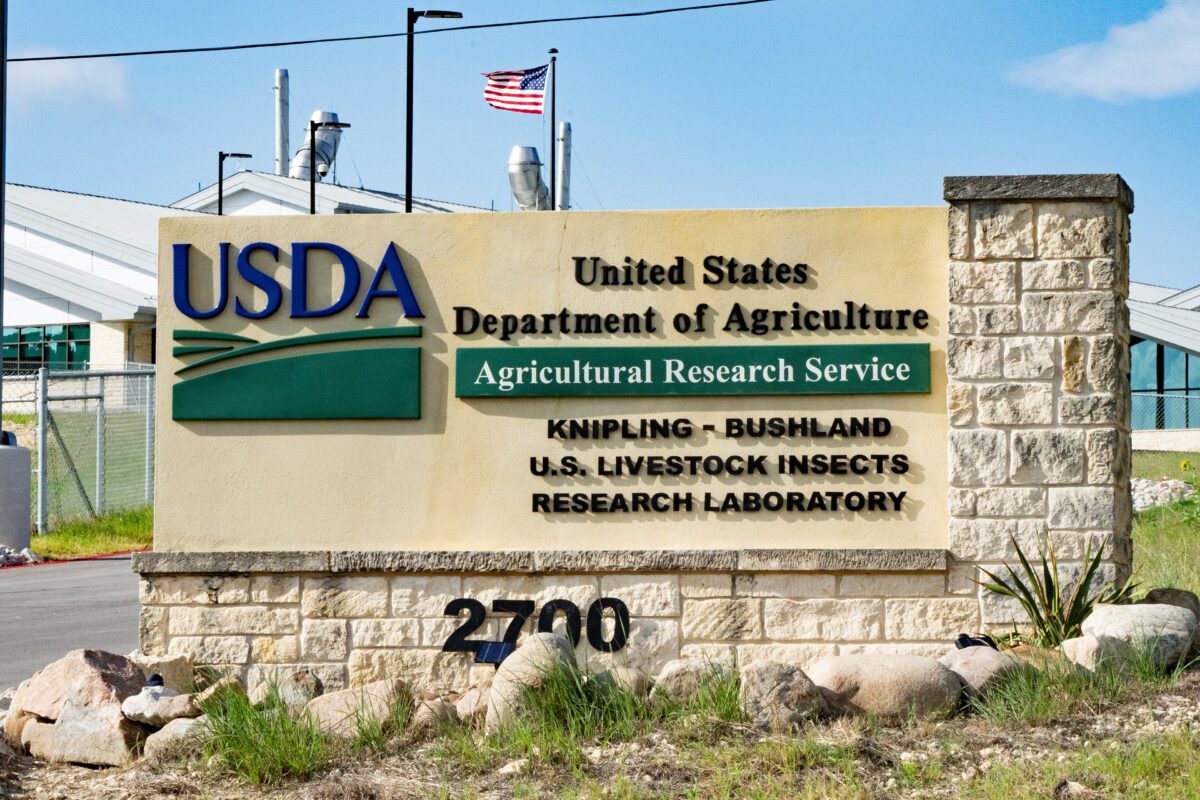
The current outbreak has already triggered a large state and federal response. The Texas Animal Health Commission says the first Texas detection was confirmed on June 3, 2026, and its current situation page lists 12 Texas counties with cases and 23 Texas premises with cases.
USDA’s confirmed-detections dashboard is designed to track individual animal cases by county, state, animal type, species, confirmation date, and status. USDA also notes that animal cases may become inactive after treatment or proper carcass management, but infested zones can remain active until separate release conditions are met.
That distinction is important. A recovered animal does not automatically mean the area is clear. Animal-health officials must still determine whether flies, larvae, exposed animals, or risky movement patterns remain a threat.
Why Screwworm Is So Dangerous for Texas Livestock
Texas is uniquely exposed because livestock is not just part of the rural economy; it is part of the state’s identity. Cattle, sheep, goats, horses, pigs, working dogs, and wildlife all live across overlapping landscapes. A parasite that spreads through wounds can move quietly before it becomes obvious.
Animals most at risk include:
- Cattle, especially newborn calves, branded animals, and injured animals
- Sheep and goats, including animals with shearing cuts or wounds
- Horses, particularly those with scratches, saddle sores, or surgical sites
- Pigs and other livestock
- Deer and wildlife, which are harder to inspect and treat
- Dogs and cats, especially outdoor pets with untreated wounds
The greatest danger is not that one animal gets sick. The real fear is reestablishment. If breeding fly populations become entrenched, the problem shifts from emergency response to long-term economic and ecological damage.
That could mean higher veterinary costs, restrictions on animal movement, complications in livestock trade, wildlife losses, and added pressure on ranchers already facing high operating costs.
Symptoms of New World Screwworm in Animals
New World screwworm should be suspected when a wound appears worse than expected, especially in areas with confirmed cases or surveillance zones. Early signs can resemble those of an ordinary infection, but the progression is often aggressive.
Animal owners should watch for:
- Wounds that grow larger instead of healing
- Bloody, thick, or foul-smelling drainage
- Swelling around a wound, bite, surgical site, or navel
- Visible larvae moving inside the wound
- Restlessness, pain, head shaking, licking, or unusual behavior
- Animals separating from the herd or resisting handling
- Sudden decline after what looked like a minor injury
Veterinarians and animal-health officials recommend regular wound checks after branding, shearing, castration, dehorning, birthing, surgery, predator attacks, fence injuries, or any event that creates broken skin. Texas A&M AgriLife has emphasized that animals with open wounds, surgical sites, branding marks, or other skin injuries are especially vulnerable.
Can humans get the New World Screwworm?
Human infestations are rare but possible. CDC says the current risk to the U.S. public and animals is very low, and as of its June 30, 2026 update, there had been no reports of locally acquired human infestations in the United States during the current outbreak.
The main human risk is exposure of untreated wounds in areas where the fly is present. CDC advises people in affected areas to keep wounds clean and covered, wear protective clothing, use EPA-registered insect repellent, treat clothing and gear with permethrin when appropriate, and sleep indoors or in screened spaces.
Anyone who sees or feels larvae in a wound should contact a healthcare provider immediately and should not try to remove or dispose of the larvae themselves. CDC notes that removal may require medical care and sometimes surgery.
Is Beef Safe to Eat During the Screwworm Outbreak?
New World screwworm is not considered a food-safety threat. The parasite attacks living tissue in open wounds, not packaged meat intended for consumers. Animal inspection and food-safety systems are designed to keep infested animals out of the food supply.
The bigger concern is not whether shoppers can eat beef. The bigger concern is what a wider outbreak could do to ranchers, livestock movement, inspection costs, animal welfare, and market confidence. If containment becomes more difficult, producers may face increased inspections, restrictions, treatment costs, and delays.
How Texas and Federal Officials Are Responding
The response is built around fast reporting, surveillance, movement controls, treatment, public education, and sterile insect releases. USDA says its response strategy includes sterile fly releases, animal movement controls, surveillance, outreach, and education in affected areas.
Texas has also expanded its inspection capacity. The Texas Animal Health Commission and Texas A&M AgriLife have developed a New World Screwworm Certified Inspector Program to train certified inspectors on clinical identification, animal inspection, treatment, and movement requirements for animals leaving infested zones.
That matters because movement is one of the biggest challenges in containment. Livestock, pets, carcasses, hides, trophies, and animal products can
Risk if not handled properly. Officials do not want infected animals transported before inspection because that could carry the parasite into new areas.
How Sterile Fly Release Helps Stop Screwworm
The United States previously eliminated New World screwworm using one of the most successful pest-control strategies in modern history the sterile insect technique. Scientists breed male screwworm flies, sterilize them, and release them into affected areas.
Female screwworm flies typically mate once. If they mate with sterile males, their eggs do not produce offspring, causing the wild population to collapse over time.
The approach is powerful because it targets reproduction rather than simply killing individual insects. It does not work instantly, and it requires scale, timing, surveillance, and cross-border coordination. But when properly deployed, it can suppress fly populations and prevent the parasite from becoming established.
What Ranchers and Livestock Owners Should Do Now
We should treat every suspicious wound as urgent until a veterinarian or animal-health official says otherwise. That does not mean panic. It means discipline.
Livestock owners should inspect animals frequently, especially newborns, recently handled animals, and any animal with a wound. Wounds should be cleaned, monitored, and protected from flies whenever possible.
Animals with suspicious wounds should be separated if it can be done safely, but they should not be transported without guidance. Texas A&M AgriLife recommends separating affected animals when possible, contacting a veterinarian, notifying TAHC at 1-800-550-8242, and avoiding transport until animal-health officials provide direction.
Documentation also matters. Producers should note the animal type, location, wound description, date first observed, photos if safe, and any recent movement. Good information helps officials act faster and reduces confusion when cases are being tracked across counties.
What Pet Owners Should Know
Dogs and cats are not the main drivers of the outbreak, but they can be affected. Outdoor dogs, hunting dogs, ranch dogs, and pets with bite wounds, scratches, surgical incisions, hot spots, or untreated injuries deserve close attention.
Pet owners should check wounds daily, keep pets from licking or reopening injuries, and contact a veterinarian if a wound worsens, smells bad, bleeds, drains, or appears to contain larvae.
USDA says suspected cases in Texas livestock should be reported through the Texas Animal Health Commission or the state veterinarian on call, and wildlife cases should be reported to Texas Parks & Wildlife.
The safest rule is simple: do not wait for a wound to become dramatic. In screwworm territory, a “small wound” can quickly become a serious problem.
Why Wildlife Makes the Outbreak Harder to Control
Livestock can be gathered, inspected, treated, and documented. Wildlife is different. Deer, feral hogs, coyotes, and other warm-blooded animals can carry infestations without anyone noticing until the problem is advanced.
That is especially concerning in Texas, where white-tailed deer are widespread and economically important.
Hunters and landowners should inspect harvested game for unusual wounds, larvae, foul odor, swelling, or tissue damage. Suspicious wildlife cases should be reported to appropriate wildlife officials.
The difficulty is that free-ranging wildlife cannot be treated at scale in the same way as domestic livestock. That makes surveillance, reporting, and fly suppression even more important.
What to Report and Who to Contact
A suspected New World screwworm case should be reported quickly. TAHC says early detection and reporting are critical and that suspected cases should be reported within 24 hours. For livestock and companion animals in Texas, reports can be made to a TAHC regional office or to the veterinarian on call at 1-800-550-8242. Wildlife concerns should be reported through Texas Parks and Wildlife.
Report when you see:
- Larvae in a live animal’s wound
- A wound that is rapidly worsening
- Foul-smelling drainage or heavy bleeding
- Painful swelling around a wound
- Suspicious wounds in livestock, pets, or wildlife
- Multiple animals with unusual wound activity
Do not move a suspicious animal before calling a veterinarian or an animal health official. Transporting an infested animal can spread the problem.
The Bottom Line for Texas
New World screwworm is dangerous because it turns wounds into entry points for a fast-moving parasite. It threatens livestock, pets, wildlife, ranch income, veterinary capacity, and animal welfare. But Texas is not helpless.
The state has experienced animal-health emergencies before, and this response already includes surveillance, reporting systems, movement controls, research support, public education, and sterile fly technology.
The next phase depends heavily on speed. The faster suspicious wounds are reported, the faster officials can confirm cases, treat animals, adjust zones, release sterile flies, and stop the parasite from gaining ground.
For Texans, the message is clear: check wounds, call early, do not move suspicious animals, and take every infestation seriously.