Vegetables That Cause Bloating When Eaten Raw and How We Can Still Enjoy Them
Raw vegetables carry a health halo for good reason. They are colorful, crunchy, hydrating, and packed with fiber, vitamins, minerals, and plant compounds that support everyday wellness.
The problem starts when our stomach feels like it has hosted a balloon festival after one big salad, a handful of raw broccoli, or an onion-heavy lunch bowl. Bloating does not mean vegetables are “bad.” It often means we ate too much fiber too fast, picked a vegetable rich in fermentable carbohydrates, or served it in a form our gut found harder to break down.
Gas and bloating usually occur because bacteria in the large intestine ferment undigested carbohydrates, producing gas.
That is a normal part of digestion, but some raw vegetables create more pressure than others because they contain tough fiber, raffinose, fructans, sulfur compounds, or sugar alcohols such as mannitol.
Digestive health sources list cruciferous vegetables, onions, garlic, and other fiber-rich vegetables among common gas-producing foods, especially for people with IBS or sensitive digestion.
Why Raw Vegetables Can Cause Bloating
Raw vegetables are harder on some stomachs because their cell walls remain firm. Cooking softens plant structure, making chewing and digestion easier for many people. Raw vegetables also keep their full crunch, which is pleasant in the mouth but sometimes demanding in the gut.
When we eat a large raw salad quickly, we may send a heavy load of fiber and fermentable carbohydrates into the digestive tract before our gut has had time to adjust.
Fiber itself is not the enemy. Fiber helps regulate digestion, supports blood sugar control, and feeds beneficial gut bacteria. The issue is speed and dose.
A sudden jump from low-fiber meals to large plates of raw vegetables can cause gas, pressure, and stomach rumbling because gut bacteria receive more fermentable material than usual.
Harvard’s nutrition guidance describes fiber as a carbohydrate the body cannot digest, meaning it passes through the digestive system and affects gut function differently from starches and sugars.
Raw Broccoli Can Be Heavy on Sensitive Stomachs

Broccoli is one of the most common vegetables linked to bloating because it brings together fiber, raffinose, and sulfur compounds in one crunchy package. Raffinose is a complex sugar that humans do not fully digest in the small intestine.
Once it reaches the large intestine, gut bacteria ferment it, producing gas. Broccoli also belongs to the cruciferous vegetable family, which includes cabbage, cauliflower, Brussels sprouts, kale, and bok choy.
We do not need to avoid broccoli completely. The smarter move is to change the serving style. Lightly steaming broccoli until it turns bright green and tender crisp can make it easier to chew and gentler for many people.
Smaller florets are also easier to digest than giant raw pieces because they reduce the workload on the stomach. If raw broccoli makes us bloat, we can start with two or three small florets instead of a large raw bowl, then increase gradually as digestion adapts.
Raw Cauliflower Can Trigger Gas Quickly

Cauliflower has become the star of modern kitchens. We see it as rice, pizza crust, mash, wings, and raw snack bites. Yet raw cauliflower can be one of the biggest bloating triggers because it is dense, fibrous, and part of the same cruciferous family as broccoli.
It also contains compounds that can create a strong-smelling gas once bacteria ferment them in the gut. Cleveland Clinic lists cruciferous vegetables as foods that can cause bloating, especially when eaten in larger portions.
The fix is usually preparation, not panic. Roasting cauliflower with a little olive oil, steaming it before adding it to salads, or blending cooked cauliflower into soup can make it easier to digest.
We can also pair it with easy proteins such as eggs, fish, chicken, tofu, or yogurt-based sauces instead of piling it into a raw platter with hummus, beans, and onions all at once. That combination may taste fresh, but it can turn into a fermentation party for sensitive stomachs.
Raw Cabbage Can Feel Like a Gut Workout
Raw cabbage appears in coleslaw, tacos, chopped salads, and fermented foods. It is affordable, crunchy, and nutrient-dense, but it can also sit heavily in the belly.
Cabbage contains fiber and raffinose, both of which can increase gas production. Johns Hopkins notes that raffinose occurs in cabbage, Brussels sprouts, broccoli, asparagus, and other vegetables and can contribute to digestive gas.
We can make cabbage easier by slicing it very thin, massaging it with a little salt or acid, or lightly sautéing it before serving. Raw cabbage becomes more manageable when we keep portions modest and avoid pairing it with other heavy, gas-producing foods.
A small spoonful of slaw on tacos may be fine. A giant bowl of raw cabbage salad with onions, beans, and carbonated drinks may create a very different ending.
Raw Onions Can Hit the Gut Hard
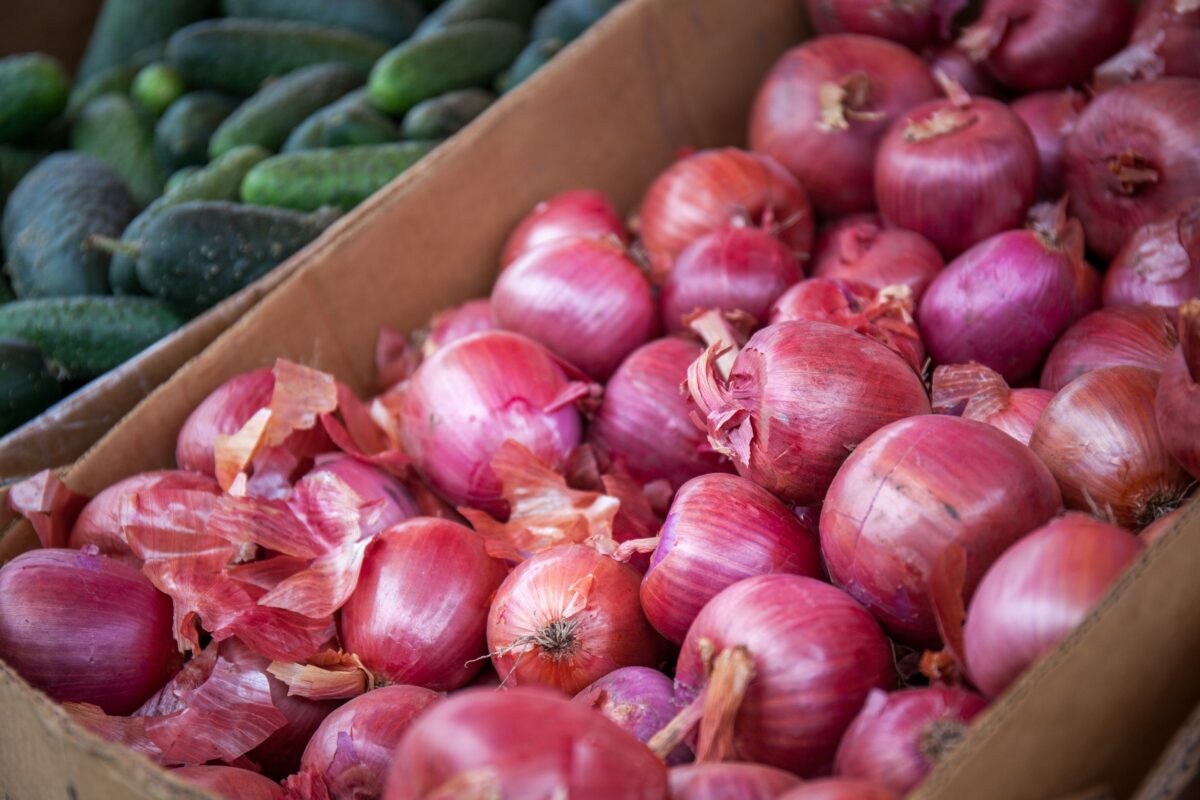
Raw onions are flavorful, but they can be brutal for people with sensitive digestion. They contain fructans, a type of fermentable carbohydrate that can be poorly absorbed in the small intestine and is fermented later in the gut. Monash University, a major authority on FODMAP research, lists onion, garlic, leek, spring onion, and artichoke among vegetables particularly rich in frucodtans.
Raw onion also tends to appear in strong forms. We scatter it into salsa, salads, sandwiches, burgers, dips, and grain bowls, often without measuring. That small handful can be enough to cause bloating in people with IBS or fructan sensitivity.
Cooking onions may soften their sharpness and make them easier for some people to handle, but the fructans do not magically disappear. For a gentler flavor, we can try the green tops of scallions, chives, infused oils, or smaller portions of cooked onion.
Raw Garlic Can Cause Bloating Even in Small Amounts
Garlic is powerful because a little goes a long way. That is good for flavor and sometimes bad for bloating. Like an onion, garlic is rich in fructans, which can be difficult for some people to digest.
It also tends to appear raw in dressings, dips, sauces, marinades, and spreads. One raw clove in a salad dressing may affect a sensitive stomach more than expected. Monash identifies garlic as a fructan-rich vegetable, and the American College of Gastroenterology notes that low-FODMAP approaches can improve bloating and abdominal pain in people with IBS.
We can still keep garlic flavor without inviting stomach drama. Garlic-infused oil can provide aroma because fructans are water-soluble rather than oil-soluble. Roasted garlic may feel gentler for some people because the texture and sharpness change, although very sensitive people may still react.
The most practical strategy is to test portion size, keep raw garlic out of everyday dressings, and avoid stacking it with onion, cauliflower, and beans in the same meal.
Raw Bell Peppers Can Bloat Some People
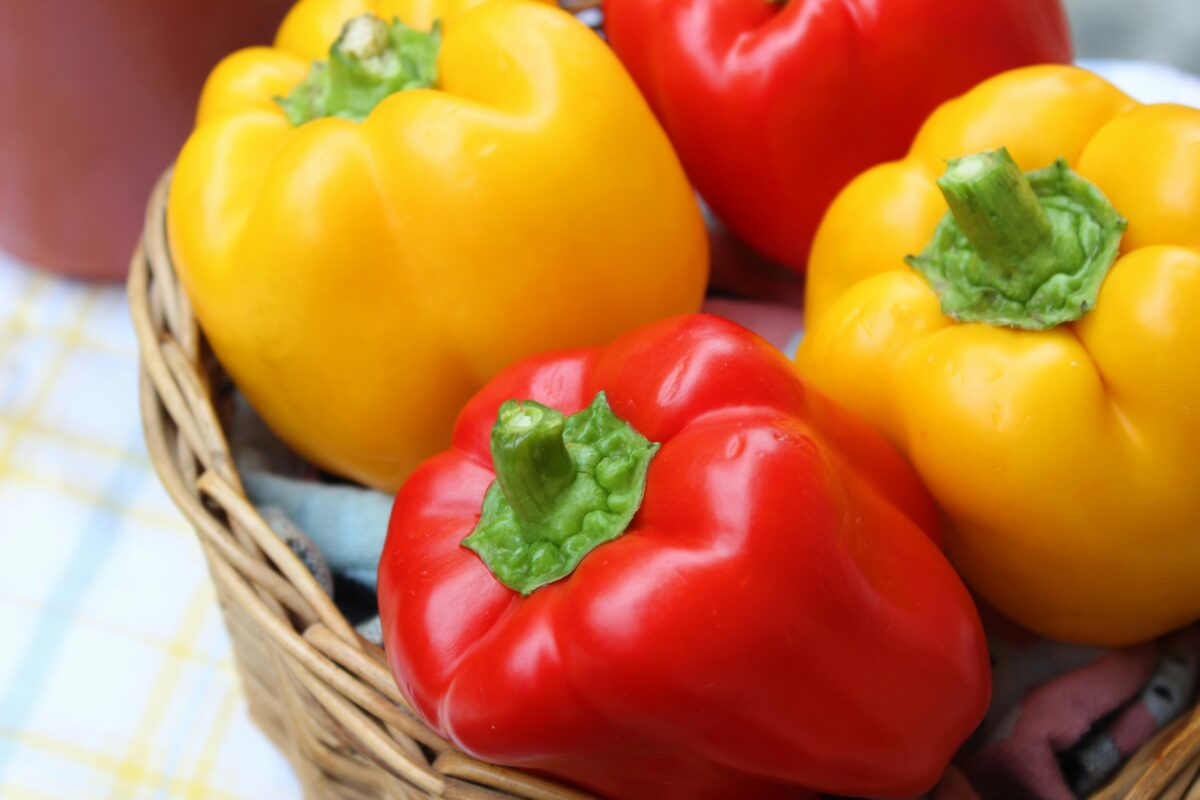
Bell peppers are not usually among the most gas-producing vegetables, but they can still cause bloating for some people. Their skin is firm, and raw peppers contain insoluble fiber that may feel rough for sensitive stomachs.
A dietitian-led article on vegetables that may cause bloating when eaten raw includes bell peppers because their tough skin and fiber can be difficult for some people, especially those sensitive to nightshades.
We can reduce the risk by roasting, peeling, or cooking peppers into soups, omelets, stir-fries, and sauces. Red bell peppers often taste sweeter than green ones, which some people find more pleasant.
Chewing matters too. Large raw strips swallowed quickly can feel heavier than finely diced peppers in a balanced meal. If peppers bother us raw but not cooked, the vegetable is not the problem.
How We Can Reduce Bloating Without Giving Up Vegetables
The best strategy is not to declare war on raw vegetables. Vegetables remain central to healthy eating patterns, and current U.S. dietary guidance continues to emphasize colorful, nutrient-dense vegetables and fruits.
The goal is to match the vegetable, serving size, and preparation method to our digestive tolerance.
We can start by cooking the vegetables that cause the most discomfort. Steaming, roasting, grilling, sautéing, and blanching soften the texture and often make vegetables easier to chew.
We can also reduce serving size, eat slowly, and spread fiber throughout the day instead of loading it all into one massive raw salad. For many people, a cooked vegetable side at lunch and a smaller raw salad at dinner feels better than one giant bowl of raw cruciferous vegetables.
Hydration also matters. Fiber works best when fluid intake is steady. If we increase our intake of vegetables but forget about water, digestion may feel sluggish and uncomfortable. We can add vegetables gradually over several weeks, giving gut bacteria time to adjust.
A sudden “health reset” with raw kale smoothies, cabbage slaw, broccoli salads, and cauliflower rice may look disciplined, but the gut may read it as an ambush.
People with IBS, inflammatory bowel disease, chronic constipation, frequent diarrhea, or persistent abdominal pain should be more careful with self-experimenting. A low-FODMAP diet can help some people identify triggers, but it is meant to be structured and temporary, not a forever list of forbidden foods.
The American College of Gastroenterology recommends a limited trial of a low-FODMAP diet to improve IBS symptoms, especially bloating and abdominal pain.
Raw Versus Cooked Vegetables

Raw vegetables can preserve certain heat-sensitive nutrients, and some people digest them perfectly well. Cooked vegetables may reduce crunch, but they can improve comfort, texture, and meal satisfaction. The best choice depends on the person, the vegetable, and the portion.
A crisp cucumber salad may feel light, but raw broccoli may feel like a challenge. A cooked onion sauce may sit fine, but raw onion salsa may not.
We should avoid treating raw as automatically superior. A vegetable only helps us if we can eat it consistently without feeling miserable afterward.
A lightly cooked plate of broccoli, carrots, zucchini, and peppers is still a strong nutritional choice. Comfort matters because people are more likely to keep eating vegetables when meals feel good.
Best Cooking Methods for Bloating-Prone Vegetables
Steaming is one of the simplest methods because it softens vegetables without drowning them in heavy sauces. Roasting adds sweetness and depth, especially for cauliflower, Brussels sprouts, cabbage, carrots, peppers, and onions.
Sautéing works well for kale, mushrooms, celery, asparagus, and shredded cabbage. Blanching is useful when we want a vegetable to stay colorful and slightly crisp without remaining fully raw.
We can also use texture tricks. Cut vegetables into smaller. Remove tough stems. Peel bell peppers after roasting. Massage kale. Slice the cabbage thinly. Choose cooked garlic flavor through infused oil.
Use herbs, citrus, ginger, and spices to add brightness without relying on raw onion and garlic every time. These small changes can turn a bloating-heavy meal into a gut-friendlier one.
Key Takeaway
Raw broccoli, cauliflower, cabbage, Brussels sprouts, onions, garlic, bell peppers, kale, artichokes, asparagus, celery, and mushrooms can all cause bloating in certain people.
The reason usually comes down to fiber, raffinose, fructans, mannitol, sulfur compounds, tough skins, or simply eating too much raw plant matter too quickly. That does not make these foods unhealthy. It makes them powerful enough to deserve better preparation.
The smartest approach is flexible. We can cook the rougher vegetables, keep raw portions smaller, chew slowly, drink enough water, and avoid stacking several gas-producing foods in the same meal.
If bloating becomes frequent, painful, or associated with bowel changes, we should seek professional guidance rather than guessing. Vegetables should help us feel nourished, not punished, and the right preparation can make all the differen