10 Ways Parents Waste Money on Kids
Parenting comes with an unavoidable price tag, but some expenses sneakily drain your finances faster than you realize. Beyond the basics of food, shelter, and health, many parents overspend on nonessential items that offer short-term satisfaction yet long-term regret. From trendy gadgets to flashy clothes, seemingly harmless habits can quietly sabotage your savings. Understanding these pitfalls can help you redirect money toward what truly matters: your family’s financial security and future.
Obsessing Over New Baby Gear

Parents often believe that every stroller, crib, or high chair must be brand new. In truth, hand-me-downs or consignment finds are safe, reliable, and cost a fraction of retail prices. Investing in new equipment repeatedly adds hundreds, even thousands, to yearly expenses without adding real value, making thoughtful reuse the smartest choice for both budget and sustainability.
Splurging on Designer Clothes
Designer sneakers, branded athletic wear, and trendy outfits seem like must-haves, but kids outgrow clothes in months. Opting for second-hand stores, garage sales, or simple hand-me-downs provides style and quality without emptying wallets. Overspending on clothing is a classic trap that leaves little room for savings and teaches children that value is tied to brand labels.
Falling for Kid-Marketed Gimmicks
Cartoon-branded snacks, bandages, and toiletries are designed to capture children’s attention and your money. Plain alternatives perform the same function at a lower cost. Yielding to marketing pressure teaches kids to equate happiness with flashy products while quietly inflating their monthly spending on items that offer no additional benefit.
Buying New Bikes and Outdoor Toys
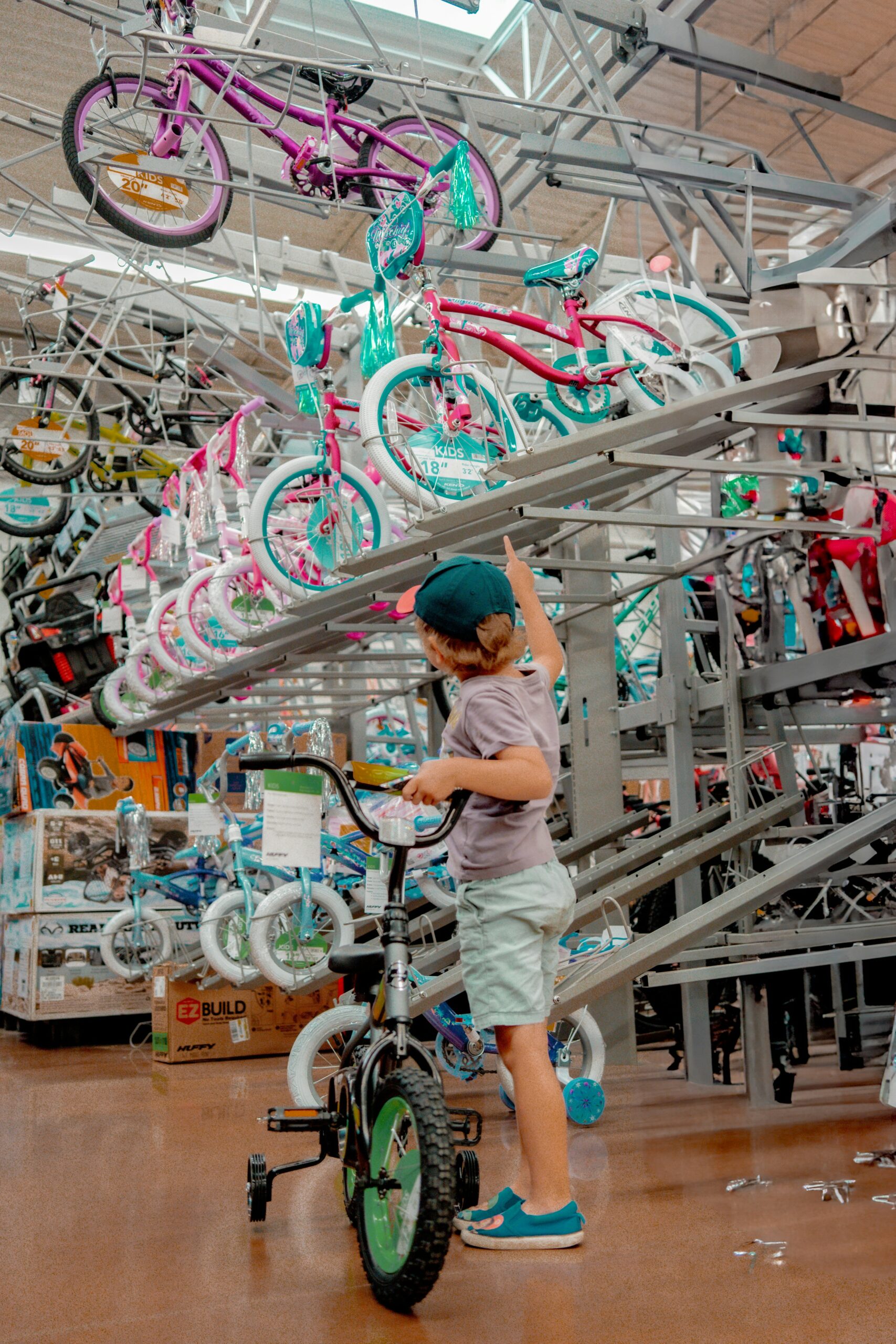
Bikes, roller skates, and skateboards are fun but are quickly outgrown. Purchasing new instead of used items from consignment shops or garage sales guarantees short-term joy but long-term waste. Kids rarely notice minor wear, making second-hand gear a practical, money-saving strategy that avoids throwing hundreds on fleeting playtime.
Overspending on Electronics and Apps
Tablets, video games, and apps can be educational and entertaining, yet in-app purchases and frequent upgrades drain budgets fast. Setting limits or having kids fund their own extras encourages responsibility and prevents constant financial leakage. Unchecked, electronics spending can eclipse more critical investments in education or family savings.
Pouring Cash into Extracurriculars

Dance, music, sports, and enrichment classes enrich children’s lives but often come with high fees. Focusing on activities your child genuinely enjoys and balancing expensive programs with low-cost or community options helps prevent overspending. Thoughtful selection ensures enrichment without financial strain and promotes lasting skill development.
Throwing Lavish Birthday Parties
The pressure to host elaborate birthday parties can push costs into the hundreds or thousands. Simple, meaningful celebrations with family and friends, along with DIY entertainment, create memorable experiences without the financial hangover. Over-the-top parties risk turning occasions into spectacles rather than fostering connection, while unnecessarily emptying wallets.
Feeding the Snack Craze
Prepackaged, organic, or branded snacks can substantially inflate grocery bills. Preparing meals at home and buying staples in bulk saves money while improving nutrition. Giving in to convenience or marketing-driven snack trends results in a constant drain, silently pushing family budgets higher and higher, month after month.
Succumbing to Peer Pressure
Trying to match other families’ spending habits on vacations, gadgets, or toys creates financial stress. Focusing on your family’s priorities prevents unnecessary expenses. Succumbing to social pressure teaches children to measure success in material terms and keeps parents in a cycle of overconsumption and hidden debt accumulation.
Ignoring Long-Term Savings

Mick Haupt/ Unsplash
Immediate gratification often overshadows saving for college, retirement, or emergencies. Diverting funds from short-term indulgences to long-term planning preserves wealth for your child’s future. Ignoring this principle leaves families vulnerable and perpetuates the cycle of financial strain that overspending on minor items initiates.
Conclusion
Parenting inevitably costs money, but many expenditures are avoidable. By recognizing these financial traps, families can preserve resources, invest in meaningful experiences, and build security without sacrificing their children’s happiness. Are your spending habits supporting your family’s future or quietly draining it?