Reagan National Airport (DCA) to Halt Flights After Noon on July 4 as D.C. Prepares for Major America 250th Anniversary
Travelers flying through Washington, D.C., may need to rethink their Fourth of July plans because Ronald Reagan Washington National Airport is preparing for one of its most noticeable holiday disruptions in years.
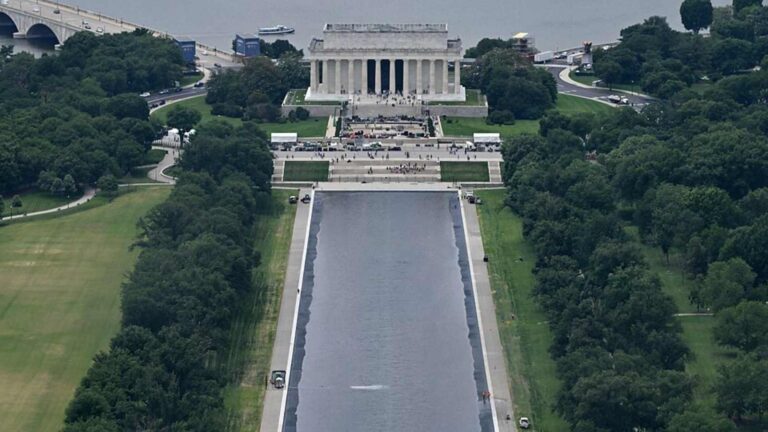
The airport, commonly known as DCA, is expected to stop scheduled flights after noon on July 4 as the nation’s capital prepares for major Independence Day events tied to America’s 250th anniversary celebrations. The shutdown is not a normal holiday delay. It is connected to planned aerial activity over downtown Washington, including flyovers, fireworks, and other displays that require coordinated airspace restrictions.
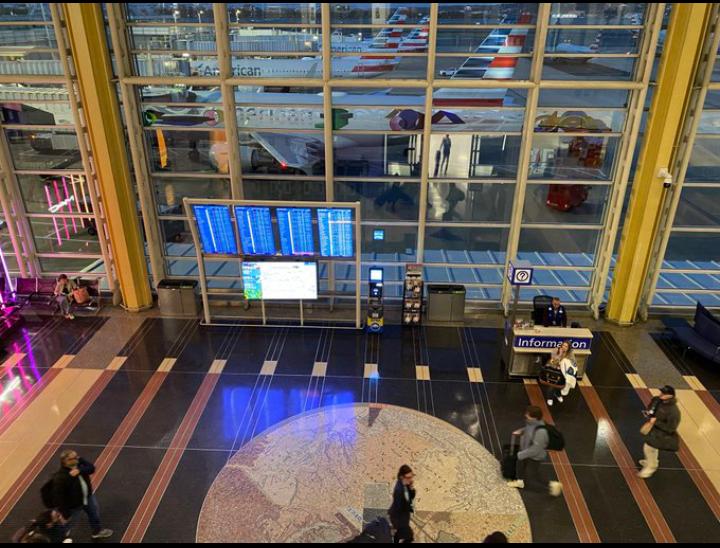
For passengers, the message is simple: check your flight early, check it often, and do not assume your original July 3 or July 4 schedule is still safe.
Flights Will Stop After Noon on July 4
The biggest disruption is expected on Saturday, July 4. No flights are scheduled at Reagan National after noon, and normal operations are not expected to resume until July 5.
That means anyone planning to fly into or out of the D.C. area for the holiday should review their itinerary closely. Even passengers whose flights have not been canceled may still see changes, because airlines have already started adjusting schedules around the planned restrictions.
The airport is not simply shutting down because of crowd size. The issue is airspace. Events over the capital region will include aerial displays, which require a cleaner, safer sky around one of the country’s most tightly watched airports.
DCA sits in Arlington, Virginia, just across the Potomac River from Washington, D.C. Because of that location, activity over downtown Washington can quickly affect airport operations.
July 3 Will Also Bring Several Hours of Disruption
The travel headache may begin before the holiday itself. Several hours of flight operations are also expected to be paused on July 3 for rehearsals connected to the July 4 events.
That could create problems for passengers trying to arrive in Washington one day early or leave the region before the main holiday rush. For families, business travelers, and tourists, the early-afternoon window on July 3 may be especially important to watch.
American Airlines said it planned to pause operations at DCA between 9:45 a.m. and 1 p.m. on July 3. Other carriers have also reduced or adjusted schedules around the July 3 and July 4 restrictions.
The practical takeaway is that this is not just a one-day issue. If your trip touches DCA on either July 3 or July 4, your travel plans deserve another look.
Airlines Say They Are Adjusting Schedules Early

Several major airlines have already responded to the planned restrictions.
United Airlines said it had planned around the change and did not expect customer impact. American Airlines said affected customers had been informed and rebooked. Southwest said it had proactively reduced much of its July 4 afternoon schedule, while Delta said it had already cut back flights for July 3 and July 4 and had contacted passengers about alternative arrangements.
That is good news for travelers who were already rebooked, but it does not remove every risk. Weather, air traffic control holds, and last-minute operational issues can still complicate an already tight holiday schedule.
Passengers should not rely only on old confirmation emails. The best move is to check directly with the airline, use the airline app, and watch for text or email alerts.
The Terminal Will Not Be Fully Closed
Travelers should know that the airport itself is not expected to become completely inaccessible. Terminal services will continue, but at reduced capacity until flights resume on July 5.
That means passengers may still have access to some airport facilities, concessions, and parking during the restrictions. However, reduced service is not the same as normal service. Anyone going to the airport should expect a different experience from a typical summer travel day.
People who are not flying should also avoid treating airport property as a holiday viewing area. Officials have made it clear that there are no approved locations on airport property to watch fireworks.
That point matters because DCA is close to popular viewing areas near the Potomac River. Holiday crowds may be tempted to park nearby or move through the airport area, but parking for non-airline travel will be extremely limited.
More Summer Dates Could Also Affect DCA Flights
The July 4 shutdown is the biggest travel alert, but it is not the only one.
Officials have warned that other America 250 events may affect flights at Reagan National during the summer. Dates to watch include June 24 and 25, June 28, July 10, and August 22 and 23.
Those disruptions may be shorter than the July 4 closure, but they can still matter for passengers. Some events may involve flyovers, parachute jumps, fireworks, or other aerial displays. During those moments, flights may be temporarily held or delayed.
This is especially important for people booking tight connections. A short delay at DCA could cause bigger problems for a passenger with a later-day flight.
Why Reagan National Is So Sensitive to D.C. Events
Reagan National is one of the most convenient airports for Washington travelers because it sits so close to downtown. That convenience is also why disruptions can happen quickly when large events take over the capital’s airspace.
Unlike airports farther from city centers, DCA is located near federal buildings, military facilities, monuments, restricted airspace, and busy river corridors. When major aerial events are planned over Washington, aviation officials have to balance security, safety, and passenger movement.
The July 4 celebration adds another layer because the events are tied to the country’s 250th anniversary. That milestone is expected to bring extra attention, more extensive planning, and more complex coordination across agencies.
For travelers, none of that changes the basic frustration. A canceled flight is still a canceled flight. But it does explain why airport schedules are being adjusted so aggressively in advance.
What Passengers Should Do Now

Passengers flying through DCA around July 3 and July 4 should take action before heading to the airport.
First, check your airline app and confirm your exact flight time. Second, look for any rebooking notice or schedule adjustment. Third, avoid tight connections if you still have the option to change your itinerary. Fourth, arrive with extra patience, especially if you are traveling with children, older relatives, or checked bags.
Travelers who can shift to another airport may also consider Washington Dulles International Airport or Baltimore-Washington International Airport, depending on airline options and destination. That may not work for everyone, but it could help some travelers avoid the most serious DCA restrictions.
Anyone staying in the D.C. area for the fireworks should also plan ground transportation carefully. Roads, Metro stations, and riverfront areas may all see heavier-than-normal crowds.
A Big Celebration With a Real Travel Cost
The Fourth of July is always one of the busiest and most emotional travel periods of the summer. This year, Washington’s celebration comes with a bigger aviation twist.
For the capital region, America’s 250th anniversary is expected to bring patriotic spectacle, military flyovers, and a major fireworks moment. For passengers at Reagan National, it also means grounded flights, reduced schedules, and a travel day that will require more planning than usual.
The best advice is simple: do not wait until you reach the airport to find out your flight has changed.
For anyone flying through DCA, July 3 and July 4 should now be treated as high alert travel days.