Trump Says FBI Is “Wasting Time” on Lindsey Graham Death Investigation as Questions Surround Probe
A sudden death involving one of Washington’s most recognizable political figures has sparked public questions, official responses, and a growing debate over how investigations should be handled when politics and tragedy collide.
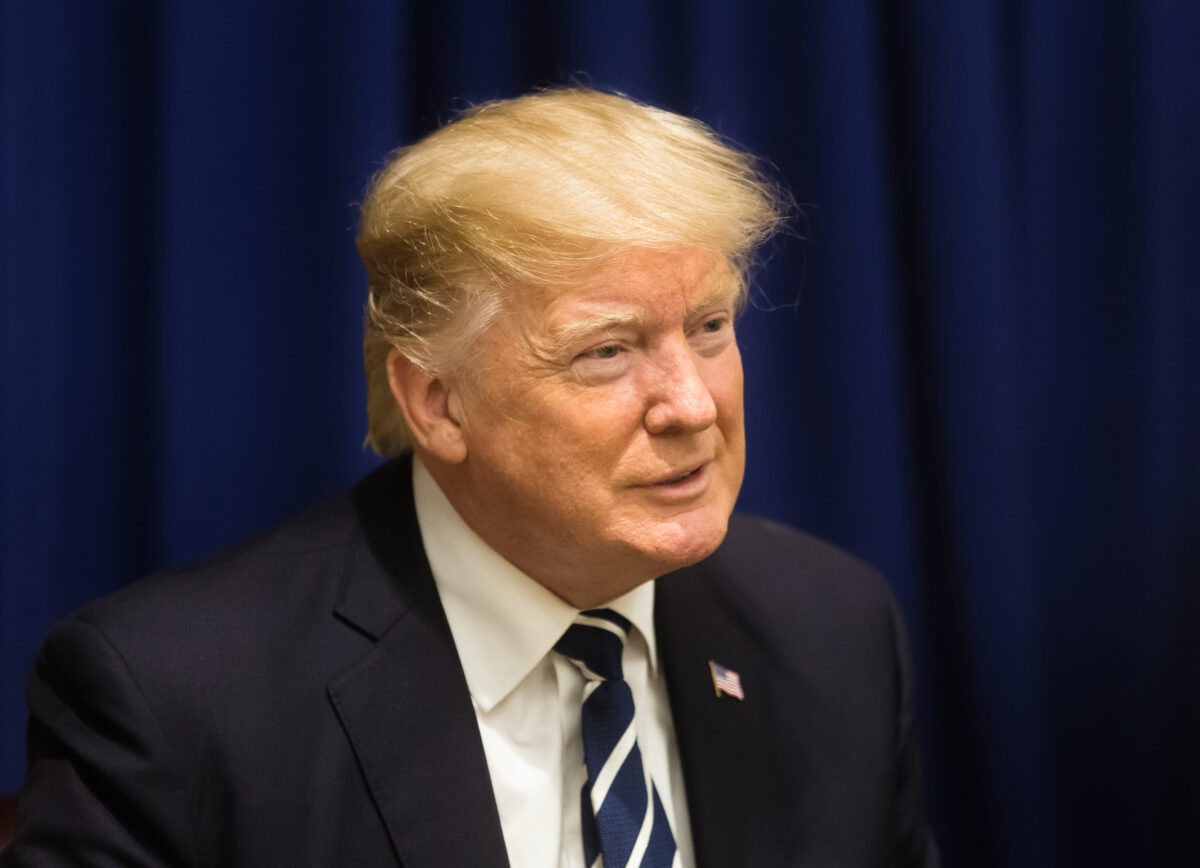
President Donald Trump has criticized the FBI’s involvement in matters surrounding the death of Senator Lindsey Graham, saying federal investigators were spending time on an effort he believes is unnecessary. The comments came as authorities continued reviewing circumstances surrounding Graham’s death, a development that quickly became a national political story.
Trump’s remarks have added another layer of controversy to an already sensitive situation. While some supporters echoed his concerns about government involvement, others argued that any serious questions surrounding the death of a major public figure should be examined through proper law enforcement channels.
Officials have not announced evidence of criminal activity, and reports have pointed to a medical cause of death involving an aortic dissection connected to cardiovascular disease. The FBI’s role, according to officials’ statements, has been described as assisting local authorities rather than announcing a criminal finding.
Trump Challenges FBI Involvement as Officials Defend Review Process

Trump’s criticism focused on whether federal investigators needed to be involved at all. He argued that the FBI should not spend resources investigating theories that he considers unsupported.
The comments immediately became politically charged because the FBI has been at the center of several major disputes involving Trump, including investigations during and after his previous administration.
Supporters of Trump viewed his remarks as a warning against unnecessary government involvement. Critics argued that public officials should allow investigators to complete their work before making judgments about whether a review is needed.
FBI Director Kash Patel said the bureau was assisting authorities looking into the circumstances surrounding Graham’s death. Officials have not publicly confirmed that the FBI is conducting a criminal investigation or that investigators have uncovered evidence of wrongdoing.
The distinction matters because law enforcement agencies often assist with high-profile deaths, especially when public interest is intense or when officials request additional resources.
Lindsey Graham’s Death Brings Attention to a Long Political Career

usembassykyiv, Public domain, via Wikimedia Commons
Lindsey Graham was one of the most recognizable Republican figures in Washington. Representing South Carolina in the U.S. Senate since 2003, he built a reputation as a national security-focused lawmaker and a frequent television commentator.
Throughout his career, Graham played major roles in debates involving foreign policy, judicial appointments, defense issues, and Republican Party strategy.
His political relationships sometimes crossed traditional party lines, while his close alliance with Trump made him an important figure within the modern Republican Party.
Because of his influence, news of his death quickly attracted national attention. Political leaders from both parties responded publicly, highlighting Graham’s impact on American politics.
The circumstances surrounding the death became a major focus because high-profile deaths involving public figures often generate intense public interest, especially during politically divided times.
Why the Investigation Became a National Conversation
When a prominent figure dies unexpectedly, questions often emerge before all official information becomes available. In Graham’s case, online discussions quickly expanded, with some social media users advancing theories unsupported by verified evidence.
Health-related deaths can sometimes create confusion when the public does not immediately have access to medical details. However, officials and responsible news organizations rely on confirmed information rather than speculation.
Medical examiners, law enforcement agencies, and government officials typically follow established procedures when reviewing unexpected deaths. Those processes are designed to determine facts while avoiding conclusions based on public pressure.
The Graham case highlights how quickly information can spread in the digital era. A single comment from a political leader or an online post can influence public discussion before investigators release complete findings.
The Bigger Debate Over Trust, Politics, and Public Institutions
The controversy surrounding the FBI’s involvement reflects a larger national debate about trust in government institutions. For years, the FBI has faced criticism from both political parties. Republicans have frequently accused the agency of political bias, while Democrats have criticized what they describe as political pressure placed on federal investigators.
The Graham investigation has become another example of how law enforcement actions involving public figures can become politically interpreted. However, officials generally emphasize that investigations should be based on evidence, procedures, and facts rather than political reactions.
Experts in law enforcement and journalism often warn that premature conclusions can lead to misinformation, especially in cases involving public figures, where emotions and political divisions are already high.
What Happens Next as Officials Continue Reviewing Information
The next steps will depend on what authorities determine through their review process. Officials have not announced evidence of criminal activity, and no public findings have indicated that Graham’s death involved wrongdoing.
Authorities are expected to continue relying on medical information and established procedures rather than political commentary.
For Trump, the issue has become part of a broader argument about the role of federal agencies. For Graham’s supporters and colleagues, the focus remains on remembering his career and contributions. As more information becomes available, the public will likely continue to watch for official updates rather than rely on speculation.
The debate surrounding Lindsey Graham’s death shows how quickly a personal tragedy involving a major political figure can become a national conversation. While questions may attract attention, the responsibility of investigators and journalists remains the same: follow verified facts, avoid assumptions, and allow evidence to guide conclusions.
In an era where politics influences almost every major public discussion, the Graham case serves as another reminder that trust depends on transparency, patience, and accurate information.