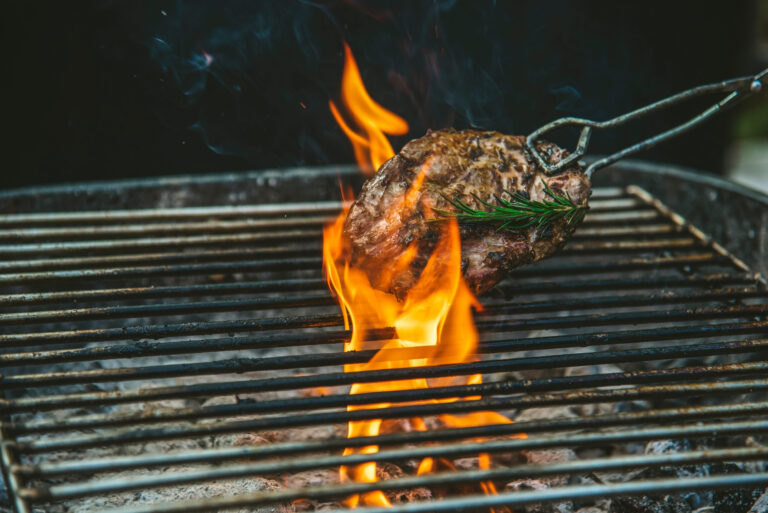
Best Restaurants in the UK 2026: Where to Eat Right Now
London still leads, but the game has changed.
London remains the UK’s most influential dining city, but the definition of “best” has shifted. It is no longer just about formal dining rooms or high-end tasting menus. The restaurants getting the most attention are the ones that feel alive, personal, and grounded in real cooking.
Across Soho, Shoreditch, and Marylebone, the strongest kitchens are focusing on clarity over complexity. Dishes arrive with confidence rather than decoration, and the experience feels shaped by instinct instead of strict rules. Diners are responding to that shift, filling places where the energy in the room matters just as much as what is on the plate.
The capital’s dining identity today is not defined by a single dominant style. It is about range, movement, and restaurants that know exactly what they are trying to be.
Edinburgh is a rising force in modern dining.
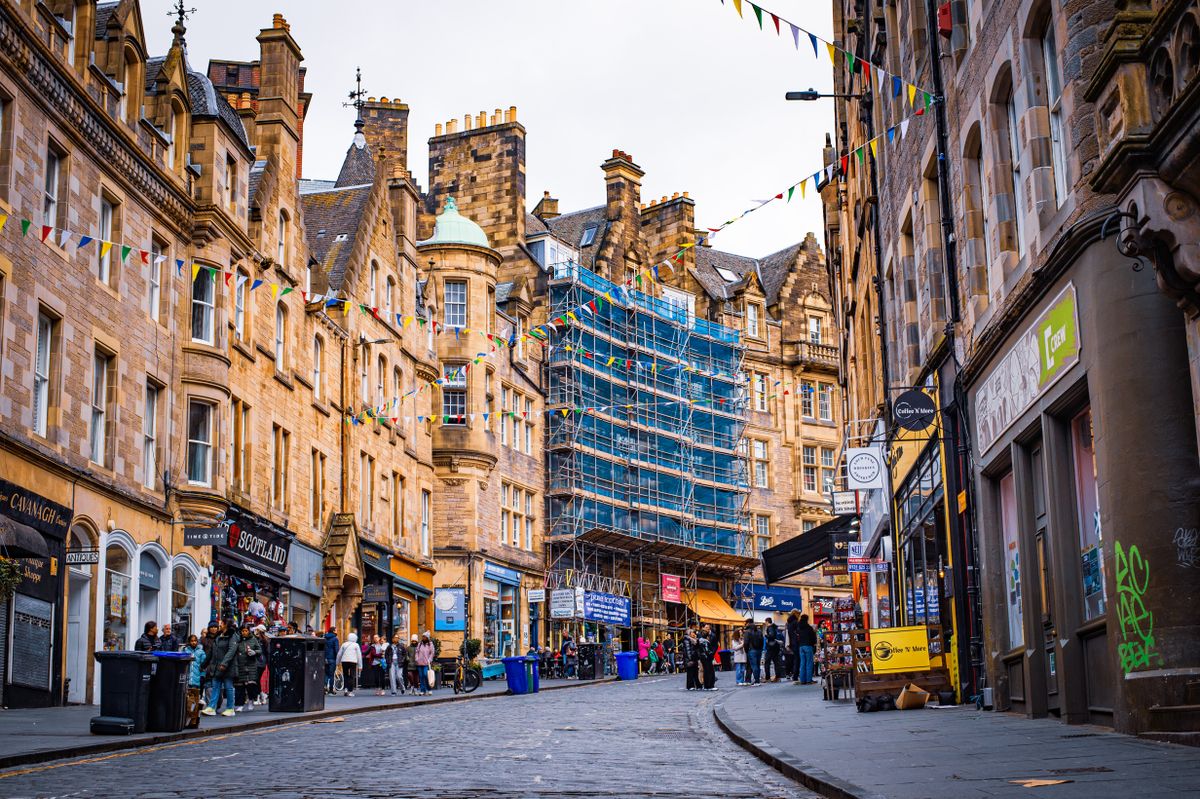
Edinburgh has become one of the UK’s most consistent food cities, blending historic atmosphere with a new generation of serious cooking. The city’s restaurants draw strength from Scotland’s natural larder, with seafood, game, dairy, and seasonal produce shaping menus that feel both rooted and refined.
What makes Edinburgh stand out is its balance. There is ambition without pretension, creativity without chaos, and a strong sense of place running through even the most modern kitchens. Dining here feels deliberate, not rushed, and that rhythm gives meals a lasting impression.
For visitors, it offers something increasingly rare in major cities: space to enjoy food at one’s own pace.
The British coast is quietly setting the standard.
Along the UK coastline, a different kind of restaurant culture is thriving. Coastal dining has stripped things back to essentials, relying on freshness, simplicity, and setting rather than elaborate presentation.
Seafood leads the way, often served close to where it was caught. Grilled fish, oysters, crab, and shellfish dominate menus that change with the tide and the weather. These are places where the food does not compete with the view. Instead, it belongs to it.
The best coastal restaurants succeed because they understand restraint. They do less, but they do it better.
Country pubs are redefining comfort dining.

The modern British pub has quietly become one of the most reliable places to eat well. Across villages, market towns, and rural roads, pubs are combining traditional hospitality with serious kitchen standards.
Roasts are better executed, pies are more refined, and seasonal ingredients are treated with genuine care. Yet the essence of the pub remains unchanged. It is still a place for conversation, comfort, and familiarity.
What sets the strongest pubs apart is authenticity. They are not trying to imitate restaurants. They are simply improving what they have always been.
Bakeries have become the new dining destination.
One of the most noticeable changes in UK food culture is the rise of bakeries as full dining experiences. No longer limited to quick stops, bakeries are now shaping daily routines and attracting dedicated queues.
Fresh bread, laminated pastries, seasonal sandwiches, and rotating specials have turned these spaces into morning and lunchtime destinations. Cities like London, Manchester, and Bristol are leading this movement, but it is spreading quickly across the country.
What makes bakeries so compelling is their immediacy. Everything is made with visible effort and disappears just as quickly.
Destination restaurants still define special occasions.
Despite the rise of casual dining, destination restaurants remain central to Britain’s food identity. These are the places where diners plan ahead, travel longer distances, and treat the meal as an event rather than a routine stop.
Often located in countryside estates, coastal buildings, or carefully restored spaces, these restaurants focus on structure and storytelling. Courses are paced with intention, service is carefully choreographed, and the overall experience is designed to be remembered.
When they succeed, they turn a meal into a lasting memory rather than a passing moment.
Choosing the right restaurant matters more than ever.

With so many great dining options across the UK, the challenge is no longer finding good restaurants. It is choosing the right one for the right moment.
Midweek evenings often suit neighborhood restaurants where consistency and familiarity matter. Weekends are better for pubs and social dining. Coastal spots work best when simplicity is the goal. Destination restaurants belong to occasions that deserve planning and attention.
The most rewarding dining experiences come from alignment between place, mood, and expectation rather than prestige alone.
The takeaway on UK dining in 2026
The UK restaurant scene is no longer defined by a single standard or style. Instead, it is defined by diversity and confidence across every level of dining.
A great meal might happen in a city bistro, a seaside café, a countryside pub, or a bakery queue. What connects them is not price or formality, but intention.
The best restaurants in the UK today know exactly who they are, and that clarity is what makes them worth returning to.