E. Jean Carroll Receives $5.63 Million From Trump After Court Clears Way for Civil Judgment Payment

After years of legal battles, appeals, and courtroom arguments, E. Jean Carroll has finally collected millions tied to a civil judgment against President Donald Trump, marking a major moment in one of the country’s most closely watched legal disputes.
E. Jean Carroll has received a $5.63 million payment from Donald Trump after a federal court released funds connected to a 2023 jury verdict that found Trump liable for sexually abusing Carroll and later defaming her. The payment represents the original $5 million award plus accumulated interest, according to court filings and reports from major news organizations.
The money transfer does not represent a new settlement. Instead, it follows the conclusion of a major stage in the appeals process after the U.S. Supreme Court declined to hear Trump’s challenge to the judgment. The case continues to attract national attention because it sits at the intersection of civil rights, presidential accountability, free speech, and the limits of legal protection for public officials.
A Court Victory Turns Into Real Payment After Years of Appeals
The story began when Carroll accused Trump of sexually assaulting her inside a Manhattan department store in the 1990s. Trump denied the allegation and repeatedly argued that Carroll’s claims were false.
In 2023, a federal jury in New York found Trump liable in a civil case brought by Carroll. The jury awarded her $5 million in damages, including compensation related to sexual abuse and defamation.
The verdict did not result in criminal charges or a criminal conviction. Instead, it was a civil judgment, meaning the jury decided whether Carroll had proven her claims under the civil standard of “preponderance of the evidence.”
After the verdict, Trump continued his legal challenges. The appeals process delayed payment, but the judgment remained active while courts reviewed his arguments.
The turning point came when the Supreme Court declined to take up Trump’s appeal. That decision allowed the lower court’s judgment to proceed, eventually leading to the release of the funds held during the appeals process.
Why This $5.63 Million Payment Matters Beyond One Lawsuit
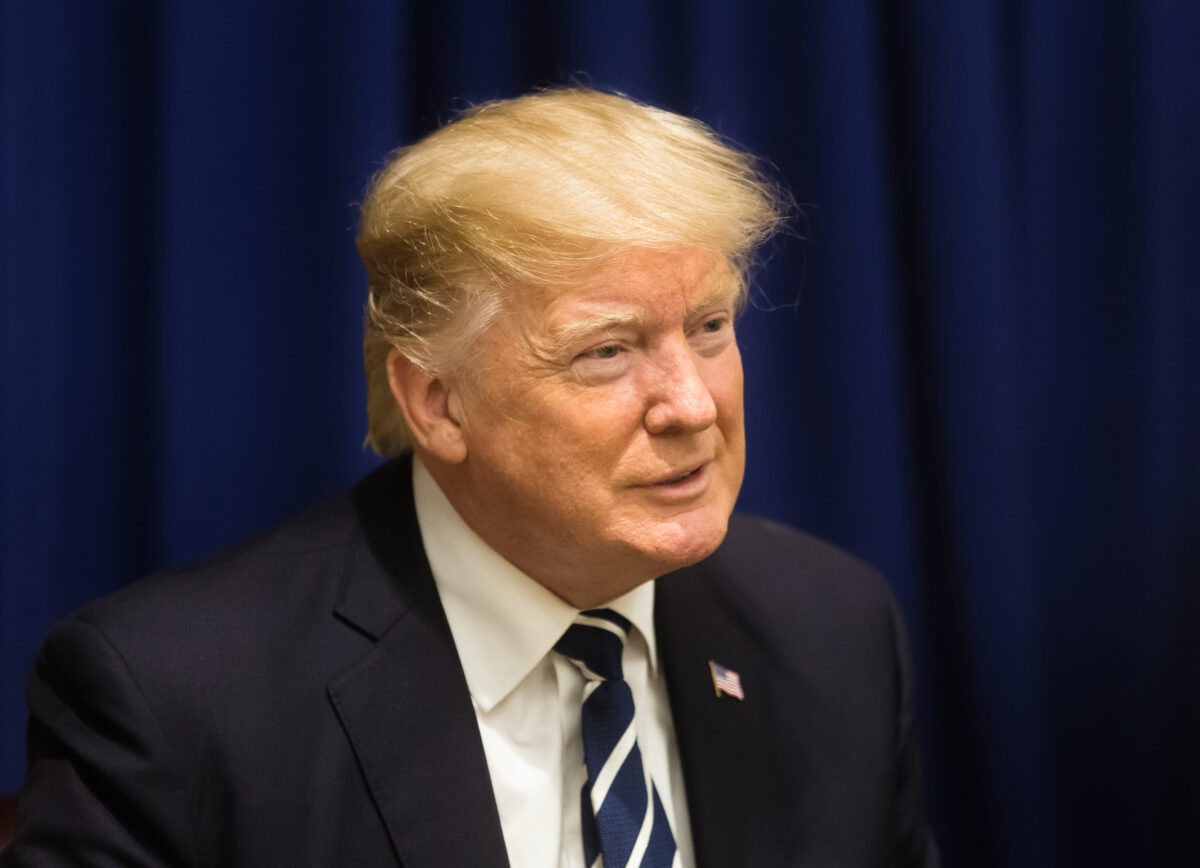
The payment represents more than a financial transaction. It demonstrates how the American court system handles civil judgments even when the defendant is one of the nation’s most powerful political figures.
For Carroll, the payment provides access to damages awarded by a jury after years of litigation. For legal observers, the case highlights the ability of civil courts to hold individuals accountable regardless of wealth, influence, or public position.
The case also remains significant for survivors of sexual abuse who pursue legal action years after an alleged incident. Carroll’s lawsuit became possible in part because of New York’s Adult Survivors Act, a law that temporarily allowed some survivors to bring civil claims that may have previously been blocked by time limits.
According to New York officials, the law was created to give survivors additional opportunities to seek justice through the civil court system.
The Legal Battle Is Not Over Yet

Although Carroll has received payment from the 2023 verdict, the broader legal fight continues.
A separate federal jury awarded Carroll $83.3 million in 2024 in another defamation case involving statements Trump made after she publicly accused him of sexual assault. Trump has continued challenging that larger judgment.
The two cases are often discussed together, but they involve different claims and different jury decisions. The $5.63 million payment relates specifically to the 2023 verdict.
Trump’s legal team has argued that the cases involve unfair treatment and politically motivated lawsuits. Carroll’s attorneys have maintained that the verdicts reflect decisions made by juries after reviewing evidence presented in court.
The ongoing appeals process means the dispute remains part of a larger conversation about presidential immunity, free speech protections, and the responsibilities of public figures when making statements about private individuals.
A Case That Continues to Shape National Conversations
The economic impact of the payment is limited to the parties involved, but the social and political impact is much broader.
Supporters of Carroll view the payment as confirmation that the civil justice system can provide accountability even after lengthy legal battles. Critics of the lawsuits argue that the cases represent political targeting of Trump.
Because Trump remains a central figure in American politics, every development in the case continues to spark debate. The payment may influence public discussions about legal responsibility, campaign politics, and how voters evaluate candidates facing major legal controversies.
However, the court process remains separate from political opinion. The payment reflects enforcement of a civil judgment, not a criminal punishment or government action.
What Happens Next as Both Sides Continue Their Legal Fight
Carroll has now collected the money awarded in one of her cases, but the larger dispute remains unresolved. The future of the $83.3 million defamation judgment will depend on additional court decisions and whether the Supreme Court chooses to review the matter.
For Trump, the legal strategy continues through appeals and constitutional arguments. For Carroll, the payment represents the conclusion of one chapter after years of courtroom battles.
The case remains a powerful example of how the American legal system can produce consequences that extend beyond elections, political influence, and public debate. As future appeals unfold, the central question will not only be about one lawsuit but about how the country balances individual rights, public accountability, and the rule of law.
The E. Jean Carroll payment is a reminder that high-profile legal battles often continue long after headlines fade. While the money has changed hands, the broader debates surrounding civil justice, media responsibility, and accountability for powerful individuals are far from settled. The next phase of the case will show how courts continue to navigate those difficult questions in an era where law and politics increasingly collide.