Kenneth Kies’ Exit From Treasury Sparks IRS Independence Debate After Reported White House Audit Dispute

Treasury tax official Kenneth Kies is leaving his role after reported disagreements with White House officials over IRS audit authority. The controversy has prompted calls from Senate Democrats for an investigation into the circumstances surrounding his departure.
Kenneth Kies’ Treasury Exit Raises New Questions About IRS Independence and White House Influence
The departure of one of the nation’s top tax officials has quickly become the center of a political debate in Washington.
Kenneth Kies, who served as the Treasury Department’s assistant secretary for tax policy and acting chief counsel of the Internal Revenue Service, is leaving his position after a reported dispute with White House officials over the limits of political involvement in IRS audits.
The controversy is now drawing attention from lawmakers who say they want answers about what happened behind the scenes and whether the IRS’s independence was affected.
At the heart of the dispute is a basic question that has shaped decades of debate around the tax agency: how can the IRS enforce tax laws fairly while remaining protected from political interference?
What Happened to Kenneth Kies and Why Was He Removed?
Kies’ exit came after reported disagreements between him and White House officials regarding IRS audit decisions.
According to reports, Kies warned that certain requests involving specific taxpayer audits could conflict with federal law. The law in question, Section 7217 of the Internal Revenue Code, limits the ability of presidents, vice presidents, White House staff, and certain officials to directly or indirectly influence IRS audits or investigations involving individual taxpayers.
Sources familiar with the matter told reporters that Kies argued the White House risked crossing legal boundaries if it became involved in decisions about specific audits.
The exact details of the disputed audit discussions have not been publicly released, and no finding has been made that any illegal action occurred.
Who Removed Kenneth Kies From His Treasury Role?
Kies’ departure occurred within the Treasury Department during the Trump administration.
Reports indicate that disagreements with White House officials contributed to his removal from the role, although administration officials have also pointed to broader disagreements over tax policy and his handling of certain issues.
Kies was not simply an outside IRS employee. He held two significant positions: assistant secretary for tax policy at the Treasury Department and acting chief counsel of the IRS.
His position placed him at the center of major tax policy decisions, including implementing changes connected to Trump administration tax priorities.
Why IRS Independence Became the Main Concern
The IRS has long been expected to operate without political direction when deciding who faces audits. That principle became especially sensitive after historical controversies involving accusations that tax authorities were used for political purposes.
The law restricting political involvement in specific IRS cases was designed to protect taxpayers from the possibility that government officials could use tax enforcement as a political tool. Because of that history, any dispute involving IRS audits and White House involvement attracts immediate scrutiny from both lawmakers and tax experts.
Senate Democrats Demand Answers After Kies’ Departure
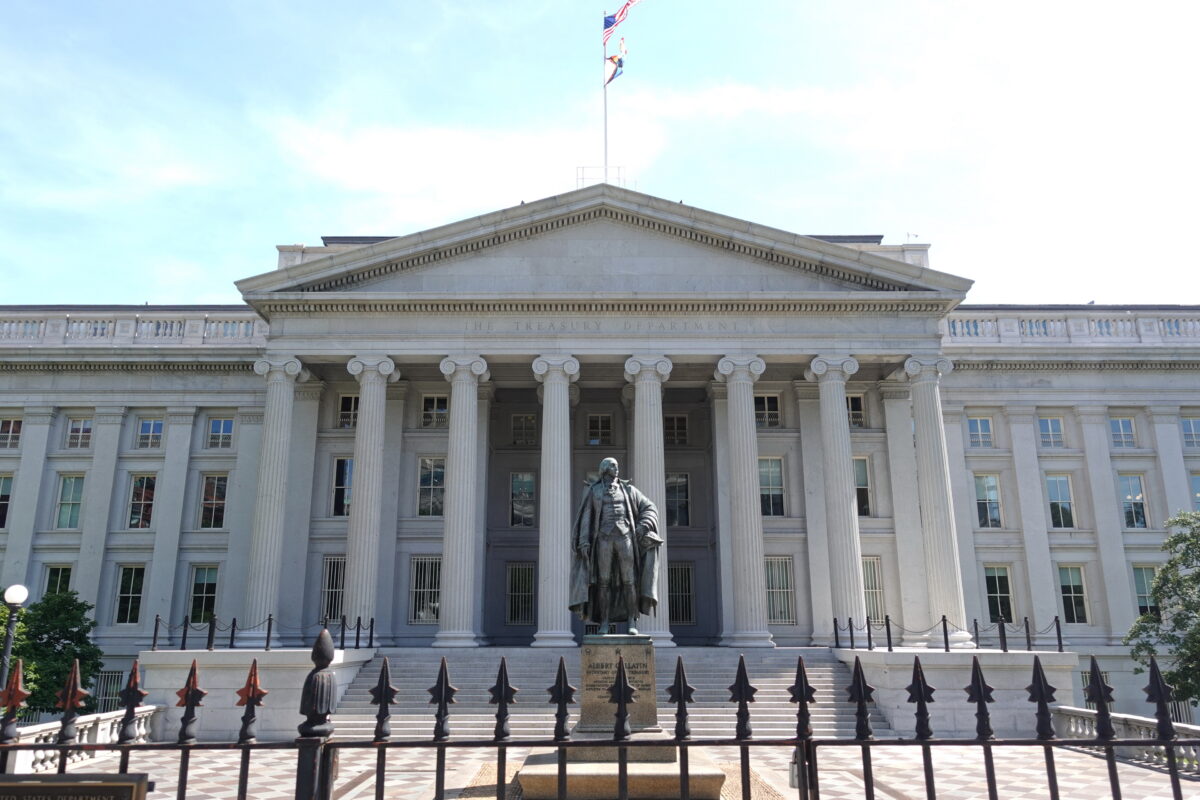
The controversy expanded after Senate Democrats called for an investigation into the circumstances surrounding Kies’ exit.
Senate Minority Leader Charles Schumer and Senator Ron Wyden were among lawmakers seeking information from tax oversight officials about the White House’s role, the nature of the disputed requests, and whether any audits were started or stopped because of political influence.
Their request does not prove wrongdoing, but it shows how seriously lawmakers are treating concerns about maintaining a separation between politics and tax enforcement.
The investigation request places additional pressure on Treasury officials to explain why Kies left and what led to the disagreement.
The Administration’s Response and Other Points of Disagreement
The dispute was not limited only to IRS audits.
Reports also indicate that Kies had disagreements with administration officials over tax policy issues, including regulatory decisions and enforcement priorities. Some officials reportedly criticized his approach and performance, while others viewed the audit dispute as the main reason behind his departure.
Kies had previously worked in Republican tax policy circles and was involved in implementing major tax changes under the Trump administration.
His departure therefore represents more than a personnel change. It raises questions about how tax policy decisions are made and who has influence over enforcement priorities.
What Happens Next for the IRS and Treasury Department?
Following Kies’ exit, attention now turns to who will take over his responsibilities and how the Treasury Department responds to questions from lawmakers.
The controversy is likely to continue as congressional officials seek more information about the circumstances surrounding his departure.
For taxpayers, the broader issue goes beyond one official. The debate focuses on whether the IRS can maintain public trust when political leaders and tax officials disagree over the boundaries of government power.
The outcome of this dispute could shape future discussions about IRS independence and the relationship between the White House and the nation’s tax enforcement agency.