Florida Cities Are Forcing Out the Poor and Elderly Living in RVs in 2026
Across Florida, a growing crisis is unfolding as cities systematically target elderly and low-income residents living in recreational vehicles. Even homeowners who legally park RVs on their own property are facing fines, threats, and forced evictions. For many, the RV is not a choice but the last line of defense against homelessness, yet municipal authorities are treating survival as a crime.
The Legal Smokescreen and Stigma
City officials justify these ordinances under the pretext of public safety, zoning, and aesthetics. Miramar cites complaints about RVs connected to utilities or blocking sidewalks. Hialeah restricts the number of RVs per property, and Opa-locka imposes fines with rapid deadlines. Commissioners openly use stigmatizing language, with statements indicating that they do not want low-income residents to “turn the city into a trailer park.” These policies punish residents for poverty rather than addressing real public safety concerns.
RV Residents Face Criminalization of Survival
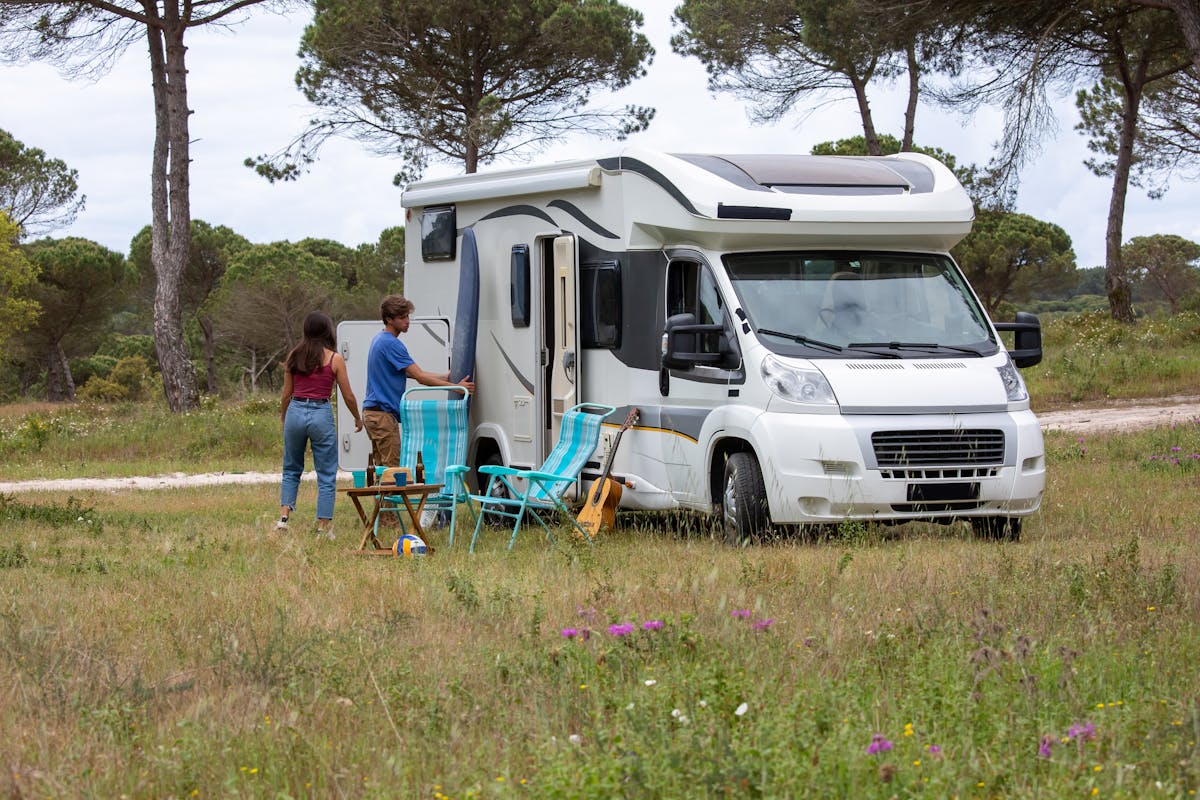
The enforcement of these rules does not distinguish between illegal rental operations and desperate families seeking shelter. Seniors, disabled residents, and disaster-displaced families are targeted the same way as those violating city codes. Emergency services and shelters are unprepared for the displaced. Residents are sent into unstable living conditions without sanitation, medical care, or continuity of support. Critics argue these ordinances effectively criminalize poverty.
Municipal Failure to Address Systemic Housing Shortages
Florida’s affordable housing programs are insufficient. Thousands of units dedicated to low-income, elderly, and special needs populations are set to expire before 2030. State-level protections, including Florida Statute 720.3045, are inconsistently applied, allowing cities to exploit zoning loopholes to displace residents. This reflects a broader failure to protect the vulnerable while catering to aesthetics and property values.
Legal Battles Emerge

Residents and advocacy groups are pushing back. Courts are beginning to hear challenges to ordinances that violate property rights. The argument is straightforward: if you own the land, you should decide how to use it within reasonable safety limits. Using an RV as a home on private property is a survival necessity and not a criminal act. The outcomes of these legal battles could set precedents affecting hundreds of thousands of Floridians who are one rent hike away from homelessness.
Safety vs Survival
City officials claim that RV living creates hazards, including fire risks, overloaded utility connections, and blocked sidewalks. While these are real concerns, enforcement often sweeps up the most vulnerable. The elderly and low-income are disproportionately punished while wealthier residents evade scrutiny. Thousands are forced to choose between breaking the law or risking exposure to the elements, crime, and health complications.
A System Designed to Fail

The conflict highlights systemic failures. Cities prioritize zoning and aesthetics over human needs. Housing affordability remains out of reach, safety nets are insufficient, and alternative housing is scarce. Residents rely on RVs to survive. Municipal ordinances are now actively undermining these last-resort solutions, leaving thousands of people exposed to poverty and risk.
The Human Toll
The consequences are devastating. Seniors and low-income families face eviction, fines, and loss of property. Mental health deteriorates, chronic illnesses worsen, and homelessness rises. Communities see the most vulnerable disappear into precarious living situations while city leaders ignore the underlying causes. This is not a failure of residents but a failure of policy and governance.
The Human Cost of Municipal Crackdowns
For decades, older Floridians and working-class families have struggled under skyrocketing housing costs. Median home prices have climbed over $400,000, and rents have risen at a pace far above wage growth. Many retirees and low-income residents have resorted to RV living as a necessity. Cities from Hialeah to Miramar to Opa-locka are aggressively passing ordinances that criminalize this survival strategy. The fines can reach hundreds of dollars and compliance deadlines are as short as thirty days. Residents already living on the edge now face the additional threat of losing their only shelter.
Exploding Housing Costs Drive Survival Tactics
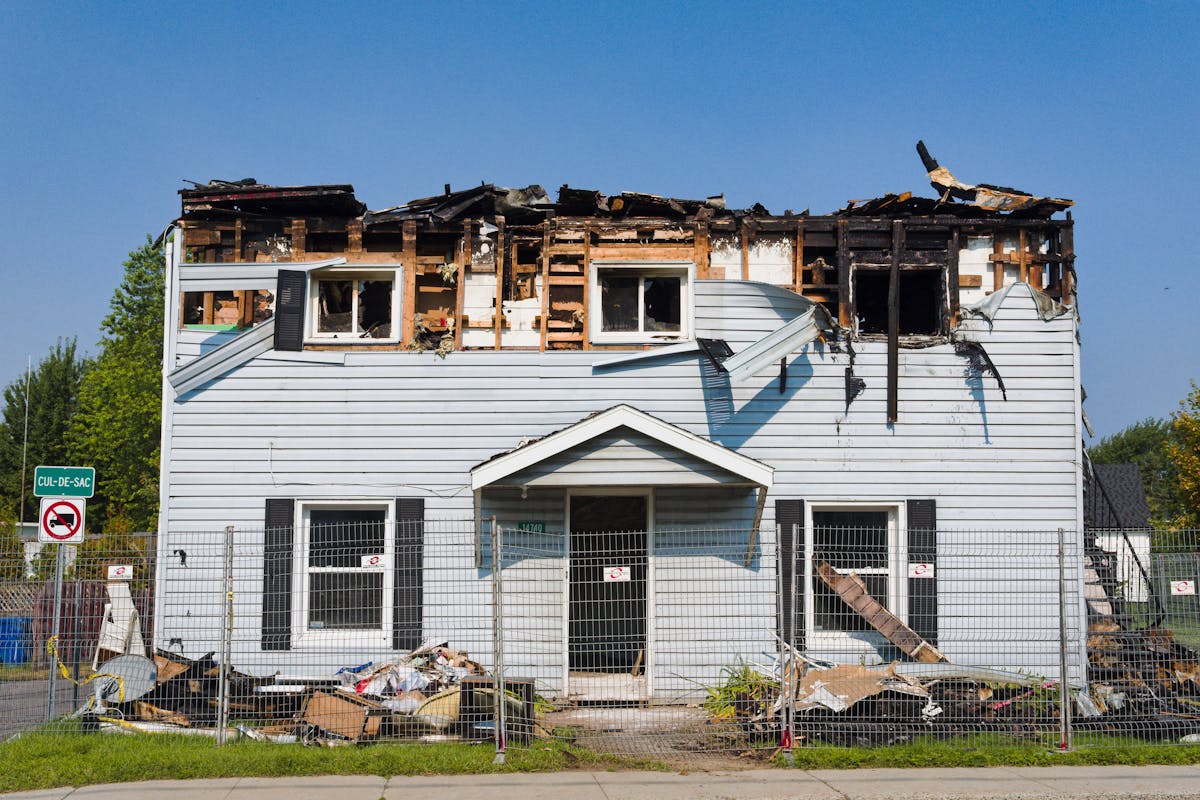
Florida’s housing crisis has created conditions where RV living is often the only viable option. Over the past five years, the median home price has jumped by $150,000, a 60 percent increase. Rent has followed a similar trajectory. Insurance costs, property taxes, and basic living expenses compound the struggle. Seniors and low-income families are caught in a trap. Many spend more than 30 percent of their income on housing, and one in four older renters allocate over half their income to rent. The ordinances punish the very people who have been financially forced into alternative housing.