How to Choose the Best Ground Meat: Essential Shopping Tips for Better Meals
Ground meat is one of the most versatile ingredients available. It can become a juicy burger, a comforting meatloaf, flavorful meatballs, tacos, sausages, or countless other dishes. However, not all ground meat is the same. Factors such as fat content, grind size, freshness, and the cut used can greatly affect the final result. Making better choices at the store can help you get more flavor, better texture, and the right results for your recipe.
When buying ground meat, many shoppers focus only on price or appearance. While those factors matter, understanding what is inside the package and how it will be used is often more important. Whether you are buying beef, pork, turkey, or another type of ground meat, a few simple guidelines can help you select the right option.
Fat Content Matters for Flavor and Texture
One of the most important things to consider when buying ground meat is its fat content. Fat adds moisture, flavor, and tenderness, which is why leaner meat isn’t always the best choice for every dish.
For burgers, a common recommendation is ground beef with an 80/20 lean-to-fat ratio. This means the meat contains about 80% lean and 20% fat. This balance provides enough fat to keep the burger juicy while still maintaining a good texture during cooking.
Very lean ground beef, such as a 90/10 blend, may be useful for certain recipes, especially when you want to reduce fat or when the dish includes additional moisture from sauces or other ingredients. However, lean meat can dry out more easily in burgers or other preparations where the meat itself must provide most of the moisture.
More fat does not automatically mean better quality. The ideal amount depends on the recipe. A rich, fatty blend may work well in some dishes but may be unnecessary in others.
Expensive Meat Is Not Always the Best Choice for Grinding
Some shoppers assume that premium beef varieties will always create superior ground meat. However, certain qualities that make expensive steaks desirable do not always provide the same benefits after grinding.
For example, Wagyu beef is known for its high level of marbling, the small streaks of fat distributed throughout the muscle. This marbling can create a tender and flavorful steak. However, when the meat is ground, those benefits can change. A very fatty ground Wagyu product may produce a burger that is overly rich or greasy.
This does not mean premium ground meat cannot be good. It simply means the characteristics that make a steak valuable aren’t always the same qualities that make ground meat successful. For many everyday meals, choosing the right fat ratio and grind can matter more than selecting the most expensive option.
Choose the Right Grind for Your Recipe
The texture of ground meat depends on how finely you grind it. Different dishes benefit from different grind sizes.
A coarse grind is often preferred for foods like burgers because it can create a more noticeable meat texture and a satisfying bite. Coarser ground meat can help a burger feel less dense and more like a traditional hand-formed patty.
A finer grind is often useful for recipes where the meat needs to hold together more easily. Meatballs, meatloaf, and some stuffed dishes often benefit from a finer texture because the ingredients can combine more evenly.
If you have access to a butcher who can grind meat to your preference, ask for a specific grind size to get better results. When buying packaged ground meat, check the label or ask store staff if the grind information is available.
Pay Attention to the Type of Cut
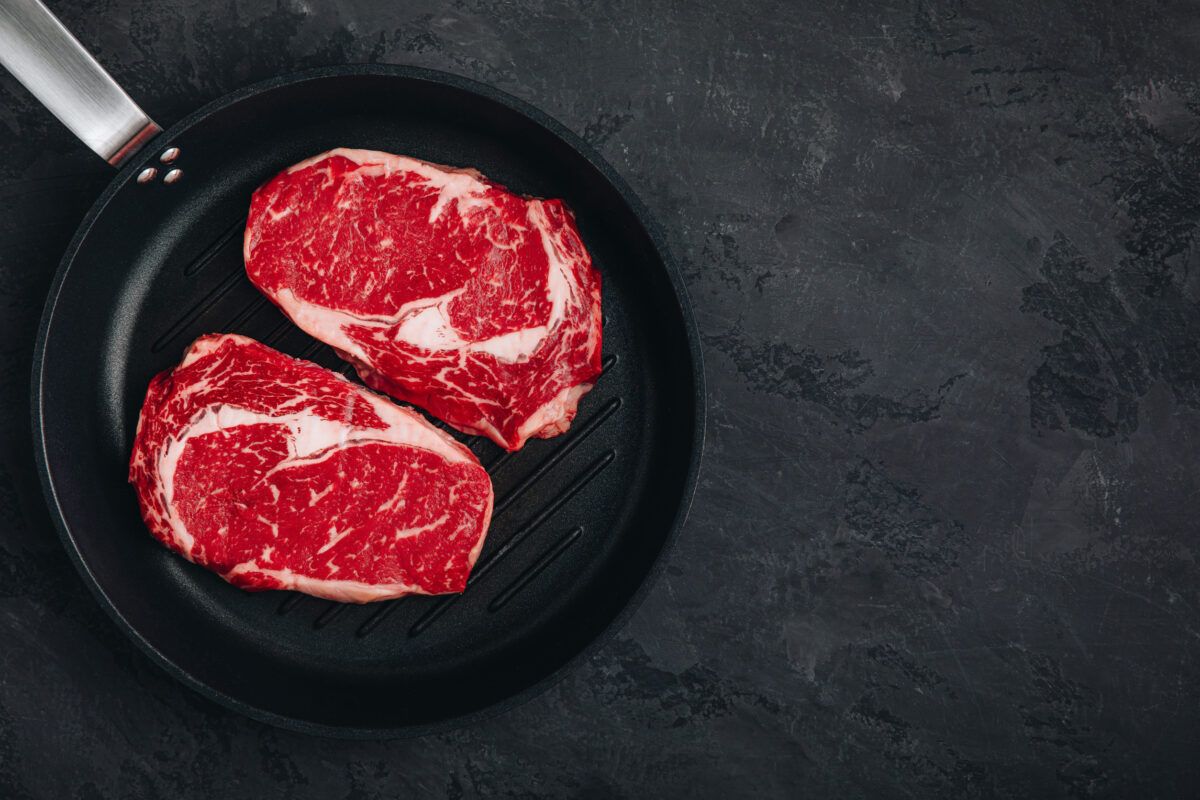
Ground beef can come from different parts of the animal, and each type has its own characteristics.
Ground chuck is a popular choice because it generally contains enough fat to provide flavor and moisture. It is often used for burgers and other recipes where a balance of richness and texture matters.
Ground round is usually leaner than ground chuck. It can work well in dishes where other ingredients provide moisture, such as casseroles, sauces, or recipes that include vegetables and liquids.
Ground sirloin is another lean option. It has a beefier flavor compared with some other lean cuts and can be useful when you want a lighter ground beef option.
The best choice depends on what you are cooking. No single ground beef type works perfectly for every recipe.
Check Freshness Before Buying
Freshness is another important factor when selecting ground meat. Check the package information, including dates such as “packaged on” or “sell-by,” when provided.
A newer package date can indicate the meat was recently prepared, but dates should not be the only factor you consider. Proper storage, packaging condition, smell, and texture are also important.
Fresh ground meat should not smell unpleasant. The texture should not feel excessively slimy or unusual. If the package is damaged or leaking, choose another option.
Do Not Judge Meat Only by Color
Many shoppers believe that the color of ground meat is the main indicator of freshness, but color alone can be misleading.
Ground meat may appear darker in some areas because of differences in oxygen exposure inside the package. A darker color does not automatically mean the meat has spoiled.
Instead of relying only on appearance, consider several factors together. Check the packaging, smell, and texture. These signs provide a more complete picture of the meat’s condition.
Read the Label Carefully
The label on ground meat can provide useful information about what you are buying. Depending on where you live, labels may include details about the type of meat, fat percentage, handling instructions, inspection information, and other details.
Understanding labels helps you compare different products and choose one that matches your needs. For example, knowing whether a package contains lean ground beef or a higher-fat blend can help you decide whether it suits burgers, sauces, or other meals.
Buy Ground Meat Based on the Meal You Are Making
A common mistake is buying ground meat without considering the recipe. The best choice depends on how you’ll cook the meat.
If you are making burgers, a moderately fatty blend can help create a juicy result. If you are preparing a sauce, soup, or dish with added liquids, a leaner option may work well. For meatballs or meatloaf, texture and binding ability may be more important than fat content alone.
Thinking about the final dish before shopping can help you avoid choosing meat that does not perform well in your recipe.
Final Thoughts
Choosing ground meat does not have to be complicated. The key is understanding how fat content, grind size, cut selection, freshness, and labeling affect the final dish.
A more expensive product isn’t always the best option, and a leaner product isn’t always healthier or more suitable. The right choice depends on what you are preparing and the qualities you want in the finished meal.
By paying attention to these details, you can make smarter choices at the store and get better results in the kitchen. Whether you are preparing a simple weeknight dinner or a special meal, selecting the right ground meat is an important first step toward creating a successful dish.