The Best Comfort Foods for Cold Weather
When the weather turns chilly, our cravings seem to know exactly what to do. Suddenly, a steaming bowl of soup sounds better than a salad, a bubbling casserole feels like the perfect dinner, and a warm drink becomes a small daily luxury. Around the world, cold-weather comfort foods have one thing in common: they make us feel warm, cared for, and connected.
Comfort food is more than just something tasty to eat. It can carry family memories, cultural traditions, and stories passed down through generations. Some dishes are loved because they remind people of home, while others became winter favorites because they helped families stretch simple ingredients during colder months. Many of the world’s most beloved comfort foods rely on slow cooking, warming spices, preserved ingredients, hearty grains, and meals designed to be shared.
Here are some of the best comfort foods from around the world to warm up with when temperatures drop.
Chicken Soup: The Bowl That Feels Like a Hug
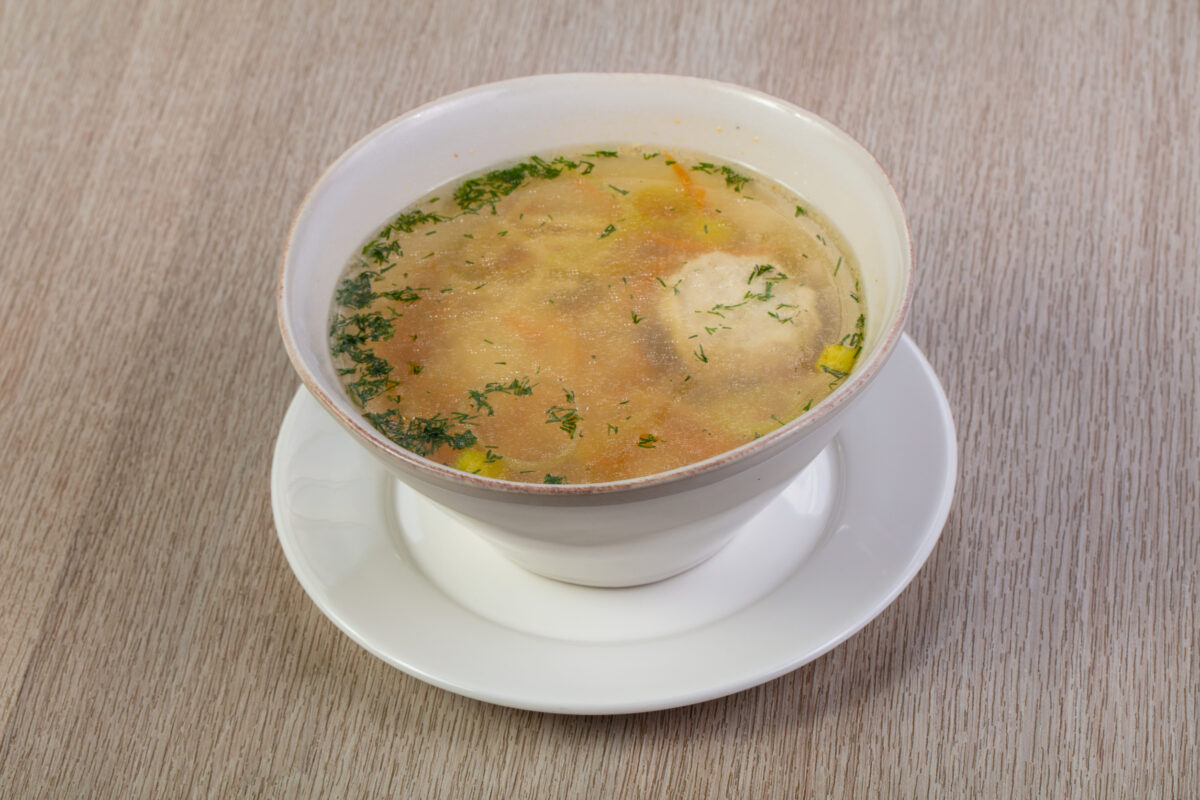
Few foods are as universally comforting as chicken soup. Versions appear across many cultures, from Jewish chicken soup with matzo balls to Greek avgolemono, Mexican caldo de pollo, Chinese herbal chicken soups, and Filipino arroz caldo. While no single country can claim ownership of chicken soup, the idea is familiar everywhere: gently simmer chicken, vegetables, herbs, and aromatics until they become something nourishing.
Chicken soup’s connection with care goes back centuries. Historical references include ancient writers and physicians who associated chicken soup with recovery and wellbeing. Today, it remains a symbol of comfort,whether it comes from a family kitchen, a restaurant, or a quick weeknight recipe.
Pho and Ramen: Warm Bowls With Global Stories
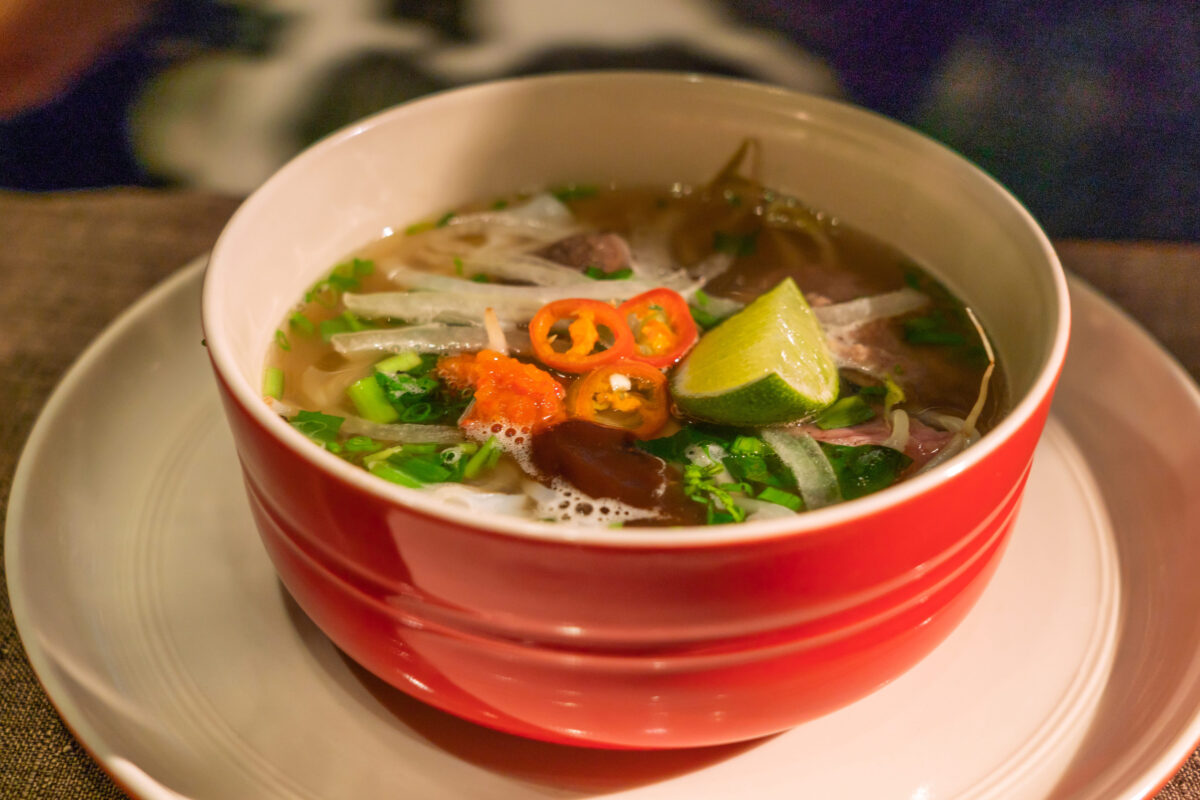
A cold day is often improved by a bowl of noodles swimming in fragrant broth. Vietnamese pho and Japanese ramen are two perfect examples.
Pho combines rice noodles, slow-cooked broth, herbs, spices, and meat into a bowl that feels both light and satisfying. Although many people associate it with Vietnam alone, its history reflects cultural exchange, including Vietnamese traditions, Chinese culinary influence, and changes during the French colonial period.
Ramen has a similarly fascinating journey. While it developed from Chinese noodle traditions, Japan transformed it into countless regional styles. From rich pork-bone broths to Hokkaido’s miso ramen, ramen has become one of the world’s favorite comfort foods. It can be a simple instant meal, a neighborhood staple, or an elaborate restaurant creation.
Slow-Cooked Comfort: Stews That Warm the Soul
There is something special about a meal that has been slowly simmering for hours. Tough cuts of meat become tender, flavors deepen, and the kitchen fills with an irresistible aroma.
Hungarian gulyás, often called goulash internationally, is a classic example. Many people picture a thick stew, but traditional Hungarian gulyás is actually a soup-like dish made with ingredients such as beef, onions, potatoes, and paprika. Over time, different regions created their own versions, showing how foods evolve as they travel.
Irish stew tells a similar story. Traditionally made with ingredients like lamb or mutton, potatoes, and onions, it began as practical rural cooking before becoming a celebrated symbol of Irish food culture.
Moroccan harira brings warmth through a different flavor combination. This rich soup of tomatoes, lentils, chickpeas, herbs, and spices is especially meaningful during Ramadan, when it is served as part of the evening meal that breaks the fast. It reminds us that comfort food is about community as much as flavor.
Cheesy, Baked, and Made for Sharing

Some comfort foods are built around one simple idea: gather people around the table.
Swiss fondue turns dinner into an experience. A shared pot of melted cheese, bread, and conversation makes it a natural winter favorite. While some popular stories about its origins are more legend than proven history, its role as a communal Alpine meal is what keeps it beloved today.
Macaroni and cheese is another dish that has earned a permanent place in comfort-food history. In the United States, it became a household favorite, but its story includes Italian pasta traditions and the important contribution of James Hemings, whose culinary skills helped shape early American versions.
Lasagna follows the same pattern: layers of pasta, sauce, cheese, and slow-cooked fillings creating a dish designed for sharing. Whether served at holidays, family dinners, or casual gatherings, it represents the joy of cooking something that brings people together.
The Warmth Is More Than Temperature
Some of the best cold-weather comfort foods are not necessarily winter-only dishes. Pho, ramen, kimchi, coffee, and congee are enjoyed year-round. What makes them comforting in colder months is the feeling they create,the warmth of tradition, the comfort of familiar flavors, and the memories connected to them.
From a bowl of soup shared when someone is feeling unwell to a family recipe prepared every winter, comfort food reminds us that meals are about more than hunger. They are about connection.
And sometimes, the best way to survive a cold day is simple: find something warm, fill your bowl, and enjoy every spoonful.