Iran’s Online War With Trump Is Turning Diplomacy Into a Meme Fight
Iran’s latest fight with Washington is not just happening in negotiating rooms, military briefings, or diplomatic statements. It is also unfolding in the rowdiest arena of modern politics: social media.
Experts say Tehran is using Western platforms, especially X, to push sharp, English-language messaging aimed at American audiences, President Donald Trump’s Iran deal, and the political fight over whether Washington actually got the upper hand.
The campaign is not just old-fashioned propaganda dressed in a new outfit. It is faster, punchier, and built for the internet age. Think diplomatic warfare with meme energy: short lines, sarcastic jabs, screenshot-ready insults, and a clear goal of making the other side look weak.
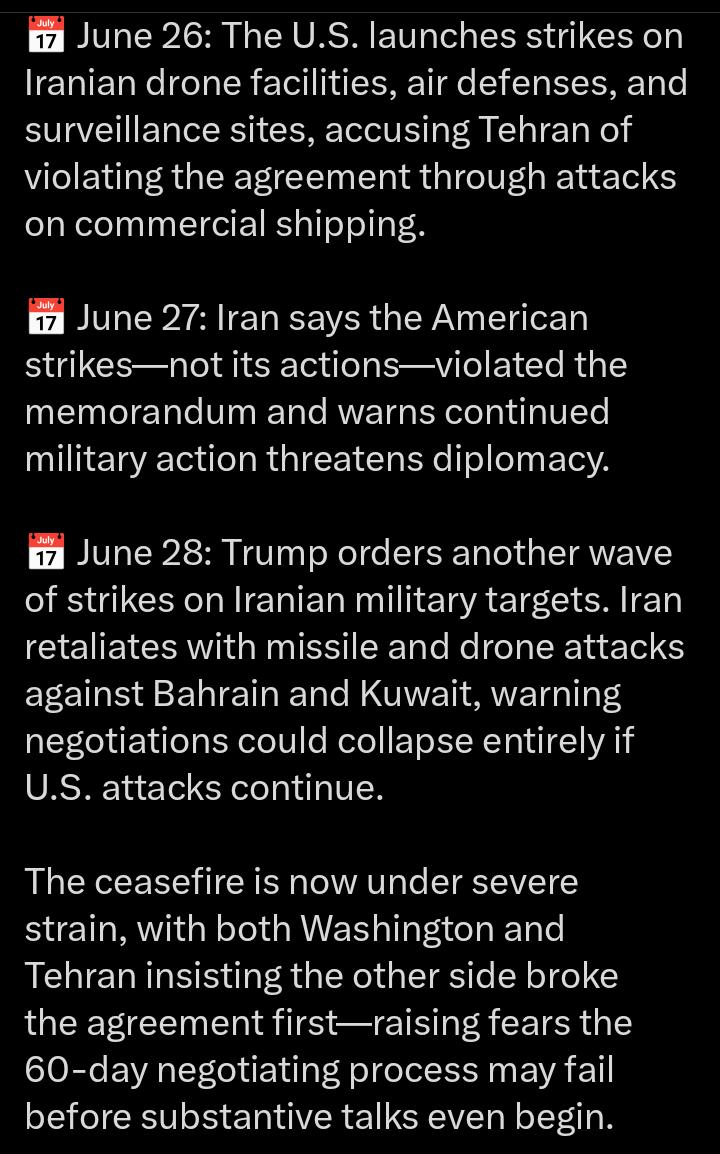
The online push comes after Trump and Iranian President Masoud Pezeshkian signed a memorandum of understanding on June 17 at the Palace of Versailles, a deal meant to move the two countries from open conflict toward a negotiated settlement. The White House promoted the signing as a major diplomatic moment. Iranian officials, however, have pushed back hard against parts of Washington’s public framing, especially claims about how unfrozen Iranian assets would be used.
That is where the social media fight got spicy.
Trump said that released Iranian funds would be used to purchase food and medical supplies from the United States, including American corn, wheat, and soybeans. Iranian officials rejected the idea that Washington would control the money or dictate what Tehran buys.
Iran’s ambassador to the United Nations in Geneva, Ali Bahreini, told reporters: “Iran is the only country to decide what to do with its assets.”
Iranian Central Bank Governor Abdolnasser Hemmati also denied that the memorandum required Tehran to buy American farm goods, saying, “Based on the signed memorandum, we have no requirement to purchase agricultural inputs from America.”
Then came the internet punchline. Iranian Parliament Speaker Mohammad Bagher Ghalibaf mocked the U.S. claim online, writing that “the only crop we’re harvesting” was “decades of mistrust.”
For experts watching Tehran’s messaging, that was not random sarcasm. It was a strategy.
A Deal, a Digital Clapback, and a Battle Over the Narrative
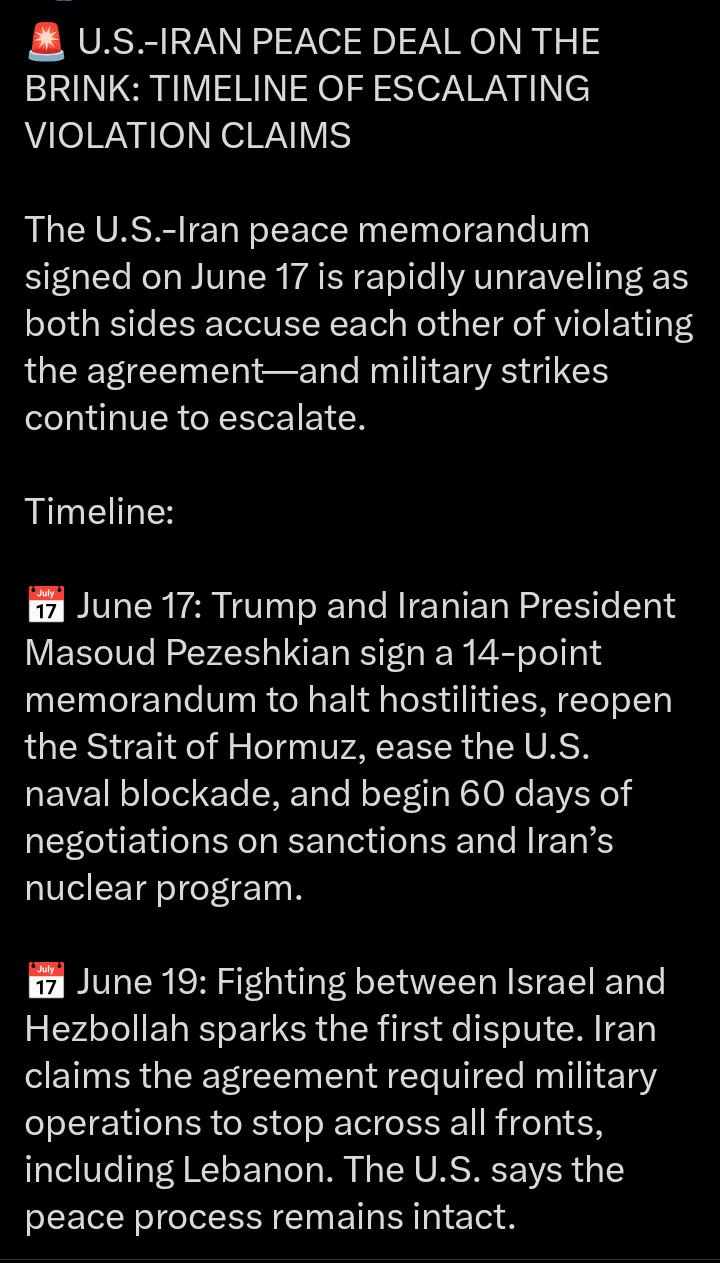
The big question is not only what the Iran-U.S. deal says. It is who gets to explain it first, loudest, and most convincingly.
Trump’s version presents the asset release as a controlled arrangement that benefits American farmers while providing humanitarian goods to Iran. Tehran’s version presents the same issue as a matter of sovereignty, insisting Iran will decide how its own money is used.
That difference matters because both sides are speaking to audiences at home.
Trump needs to show that his Iran diplomacy is tough, practical, and beneficial to Americans. Iran’s leaders need to show that they did not accept a humiliating deal under pressure. Social media gives Tehran a way to mock the U.S. narrative without waiting for a formal press conference.
Dr. Omar Mohammed, a counterterrorism expert at George Washington University’s Program on Extremism, told Fox News Digital that “Iran’s leadership now lives on X.” He described the messaging as a sign that Tehran has adapted to a world where political legitimacy can be fought over in viral posts.
Mohammed also argued that the online tone does not resemble spontaneous posts from senior Iranian officials. He pointed to repeated lines, coordinated themes, and polished English-language messaging as signs of a central media operation trying to shape the conversation.
That is the part that should make casual readers pay attention. This is not just a government posting official statements online. It is a state trying to speak the language of American political combat.
The goal is not necessarily to persuade every American. It may be enough to embarrass Trump, energize critics of the deal, and make the agreement look less like a victory and more like a compromise being mocked by the other side.
Why Experts Say This Looks Like Psychological Warfare
Iran has a long history of using cyber tools, online personas, and influence operations to pressure opponents. U.S. officials have repeatedly warned that Iran-linked actors use digital campaigns to exploit political divisions, target critics, and amplify anti-American messages.
In March, the Justice Department announced the seizure of four domains it said were tied to Iran’s Ministry of Intelligence and Security. Officials said the sites were used for hacking-related psychological operations, posting stolen information, and threatening journalists, dissidents, and Israeli targets.
Attorney General Pamela Bondi said at the time, “Terrorist propaganda online can incite real-world violence.”
FBI Director Kash Patel was even more blunt, saying, “Iran thought they could hide behind fake websites and keyboard threats.”
That case was not the same as the current X-centered messaging around the Trump deal, but it shows why U.S. officials are paying close attention. Iran’s online activity does not always remain confined to slogans. In some cases, officials say it has been tied to doxxing, intimidation, hacking claims, and threats.
A separate joint cybersecurity advisory from U.S. agencies warned in April that Iran-affiliated actors were exploiting internet-facing operational technology devices, including programmable logic controllers used in critical infrastructure. The advisory said that some U.S. organizations experienced operational disruptions and financial losses.
That mix of cyber activity and public messaging is what makes the current moment so sensitive. A post can mock. A fake persona can inflame. A hack can frighten. Together, they can turn diplomacy into a pressure campaign.
Alp Toker, director of the internet monitoring group NetBlocks, described the imbalance as a “two-tier system.” Iranian officials can use global platforms to push their message, while ordinary Iranians still face heavy internet restrictions at home.
That contradiction is central to the story. Tehran’s elites can reach Americans on Western platforms, but many citizens inside Iran do not enjoy the same open digital access.
The Bigger Problem: America’s Politics Are Easy to Poke
Iran does not need to invent America’s political divisions. It only needs to poke them.
The Trump administration’s Iran deal has already produced debate over sanctions relief, frozen assets, nuclear oversight, the role of Qatar, Lebanon, Hezbollah, and whether Tehran is giving up enough in return. That gives Iranian messaging plenty of openings.
When Trump says the deal helps American farmers, Tehran mocks the claim about farm goods. When Washington says the funds will be controlled, Iranian officials insist they alone control their assets. When U.S. officials present the agreement as a strength, Iranian hard-liners try to frame it as evidence that America had to negotiate.
It is a classic information-war move: take a political pressure point and push until it hurts.
That does not mean every Iranian post is powerful. It does not mean every sarcastic line is part of a grand conspiracy. It also does not prove that Tehran can control American opinion. But experts say the pattern is clear enough to watch carefully.
This is diplomacy in the social media age, where a memorandum can be signed in Versailles and fought over on X within days. The official document may matter most to governments, but the viral version often matters most to the public.
For readers, the takeaway is simple: the next phase of the Iran-U.S. fight may not look like a traditional war or even a traditional negotiation. It may look like a stream of jokes, insults, clips, screenshots, and emotionally loaded claims designed to make one side look foolish before the facts are fully understood.
That is what makes this story both serious and strangely modern. The battlefield is not only the Strait of Hormuz, the negotiating table, or the cyber systems that keep infrastructure running. It is also the timeline.
And on that battlefield, Iran appears determined to make sure Trump’s deal is not just debated, but dragged.