6 Foods You’re Probably Storing the Wrong Way
From potatoes sitting in a sunny corner to bread tucked away in the refrigerator, many kitchen-storage habits come from simple routines rather than a second thought. The tricky part is that food storage is not always a one-rule-fits-all situation. The best place for an item can depend on whether it is whole, ripe, cut, opened, or waiting to be used later.
Small changes in where and how you store everyday foods can help maintain freshness, texture, and flavor. These six common kitchen staples are worth a second look; not because everyone is storing them incorrectly, but because the right approach can change depending on the food’s condition.
Potatoes
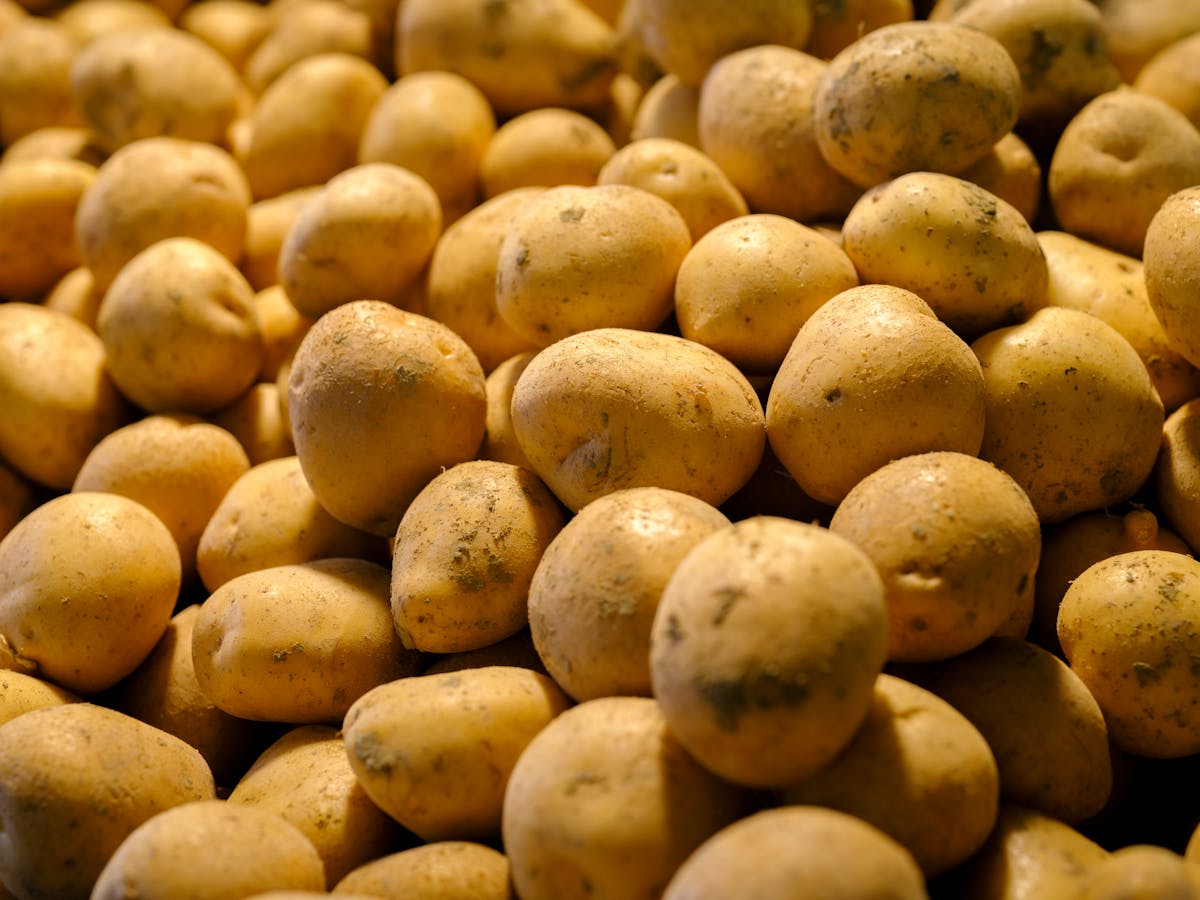
Potatoes are often left wherever there is room, but their surroundings can make a difference. Whole potatoes generally do better in dry storage rather than in the refrigerator, with a cool, dark, dry, and ventilated spot being a better default choice.
A bright spot near a window or a tightly closed plastic bag can create less-than-ideal conditions. Instead, consider a paper bag, ventilated basket, or open cardboard box that allows airflow while keeping potatoes away from light and excess moisture.
That does not mean refrigeration is always out of the question. Home storage conditions vary, and some households may consider the refrigerator when a suitably cool storage area is not available. The main goal is avoiding moisture buildup, poor ventilation, and light exposure. Check potatoes regularly and remove any that become soft, moldy, heavily sprouted, or green. The USDA’s general produce-storage guidance also places potatoes among foods best kept in dry storage rather than the refrigerator.
Bread
Many people put bread in the refrigerator thinking it will keep it fresh longer, but the tradeoff is texture. For bread you plan to eat within the next few days, room-temperature storage is generally preferred because refrigeration can make many breads become stale and dry more quickly.
A better everyday approach is to keep bread properly sealed in a bread bag, bread box, or suitable original packaging while avoiding hot, steamy areas.
If you want to store bread for longer, freezing is usually the better option. Sliced bread can be especially convenient in the freezer because you can take out only what you need. In especially humid conditions where mold becomes a concern quickly, refrigeration may be a practical choice, but it can come with a texture change.
Tomatoes
Tomatoes are one of the foods where the storage answer depends heavily on their condition. A firm or underripe tomato generally does best at room temperature, away from direct sunlight, where it can continue ripening.
A fully ripe tomato is a different story. If it cannot be used soon, brief refrigeration can help slow further softening. Cut tomatoes should also be refrigerated rather than left on the counter.
The mistake is treating every tomato exactly the same. Keep firm tomatoes loose rather than in a moisture-trapping bag, avoid direct sunlight, and pay attention to ripeness when deciding where they belong. A tomato that is still firm and developing needs a different approach from one that is already soft and ready to eat.
Onions
The onion in your pantry and the leftover half onion from dinner do not have the same storage needs. Whole dry-bulb onions generally prefer a cool, dry, dark, well-ventilated location. A breathable container, mesh bag, or wire basket can help keep air moving around them.
Keeping whole dry onions trapped in a sealed plastic bag is usually not the best option because it limits airflow. The National Onion Association’s storage guidance similarly recommends a cool, dry, well-ventilated area and advises against plastic bags for dry-bulb onions.
There are exceptions. Sweet or mild onions contain more moisture and may benefit from refrigeration when kept dry, while peeled and cut onions should be refrigerated.
The practical takeaway is to separate your storage habits by the type of onion. A whole onion waiting in the pantry and a cut onion saved for another meal belong in different places.
Bananas
Bananas are often moved to the refrigerator too soon. For bananas that are still ripening, room temperature is generally the better choice, preferably in a cool, dark location away from direct sunlight and excessive heat.
Once bananas reach the ripeness you want, refrigeration can help slow further ripening for a little longer. One thing that surprises many people is that the peel may turn brown or black in the refrigerator while the fruit inside remains usable.
Avoid storing bananas in plastic bags that trap moisture and ethylene. If bananas are already peeled or sliced, keep those pieces refrigerated in an appropriate covered container.
Coffee
That attractive clear container sitting beside the coffee maker may not be the best place for your coffee. Coffee, especially ground coffee, generally keeps better in an airtight, opaque container stored somewhere cool and dark.
The main things to protect coffee from are air, light, heat, and moisture. Warm spots near an oven or dishwasher can be less suitable storage locations. The National Coffee Association recommends an airtight, opaque container in a cool, dark place, rather than a display container exposed to light or kitchen heat.
Refrigerator or freezer storage is not a simple yes-or-no rule. If coffee is stored that way, it needs a truly airtight container to limit exposure to moisture and odors. For everyday use, a modest amount stored properly in an opaque airtight container is often the simplest approach.
Food storage does not need to be a collection of strict rules. The best choice often depends on the food itself, its condition, and when you plan to use it. A few small adjustments, whether moving something away from light, improving airflow, or changing where leftovers are stored, can help keep everyday foods in better shape and reduce unnecessary waste.