7 Signs You May Be Overcooking Your Chicken Without Realizing It
Many home cooks have had the same moment: the chicken looks almost ready, but there is still a little doubt. So they leave it on the heat for “just a few more minutes” to be safe. That extra time can sometimes turn a tender piece of chicken into something dry, firm, or difficult to enjoy.
There are several clues that chicken may have cooked longer than necessary, from changes in texture to changes in appearance. However, those signs are not a replacement for checking the chicken’s internal temperature. For a dependable food-safety check, the USDA recommends cooking poultry to a minimum internal temperature of 165°F, measured with a food thermometer.
Here are seven signs that your chicken may have spent too long over heat.
The Chicken Is Unusually Dry
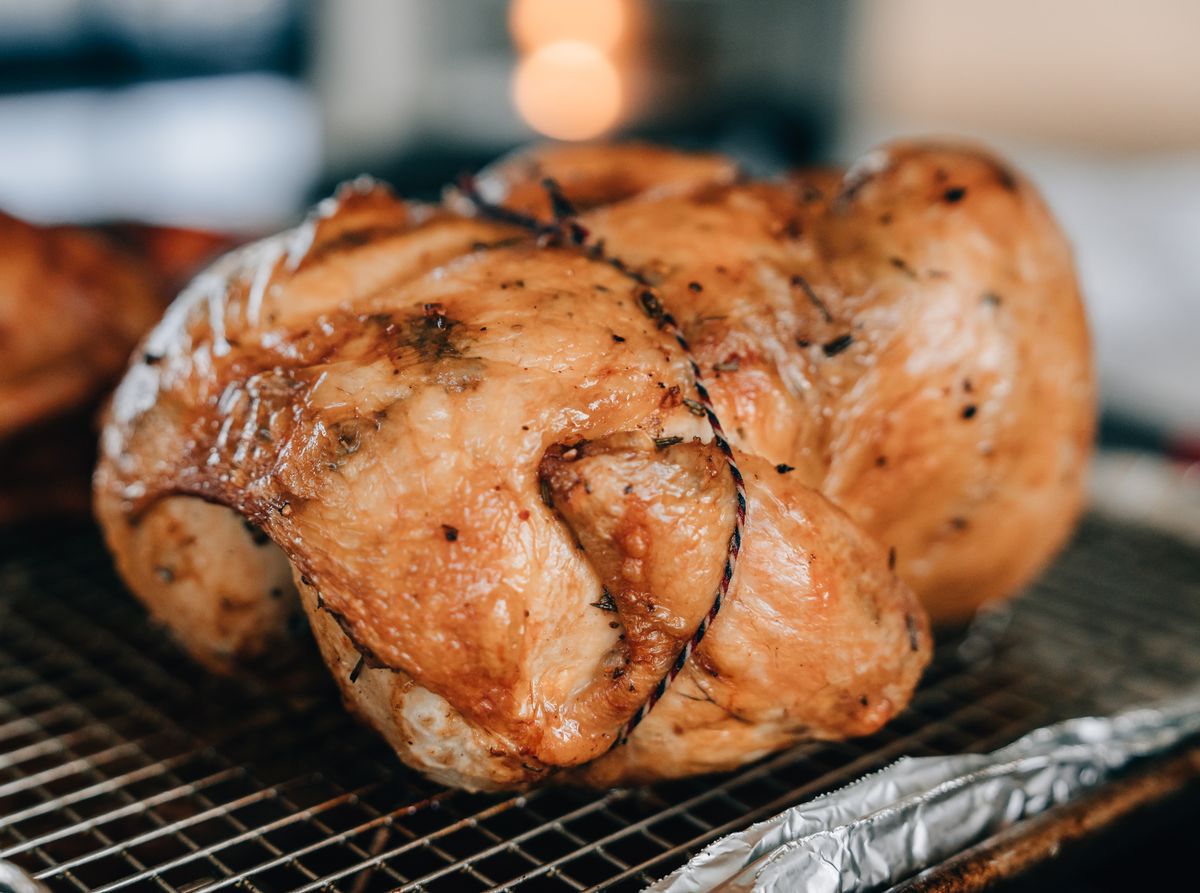
Dry chicken is one of the most common complaints when a piece of poultry has stayed on the heat longer than needed. This is especially noticeable with lean cuts such as boneless, skinless chicken breasts, which can lose moisture as they continue cooking.
Instead of feeling tender and juicy, the chicken may have a chalky, cottony, or parched texture. It may take more effort to chew, and the meat can feel less pleasant than expected.
Still, dryness alone does not prove that chicken has been overcooked. The cut of chicken, cooking method, heat level, and preparation can all affect the final texture.
If you find yourself adding extra cooking time “just in case,” a better approach is to check the internal temperature with a thermometer rather than relying on more minutes over the heat.
The Texture Turns Very Firm or Rubbery
Chicken that cooks too long can develop a tight, firm texture that feels noticeably different from tender chicken. This is often easier to spot with chicken breasts because their lean meat can become less forgiving when exposed to heat for too long.
A rubbery bite can be a clue that the chicken has gone past its best texture, but firmness is not a guaranteed diagnosis. Factors such as uneven thickness and intense cooking conditions can also influence how chicken feels when you eat it.
One way to encourage more even cooking is to make thick chicken breasts a more consistent size by pounding or butterflying them. More evenly shaped pieces are easier to monitor because one area is less likely to finish much earlier than another.
It Becomes Stringy When You Slice It
When chicken is at its best texture, it usually slices into pieces that feel moist and tender. Chicken that has spent too long cooking may instead pull apart into long, dry-looking strands or fibrous shreds.
Stringiness by itself does not prove that chicken is overcooked. However, when it appears along with dryness and a tough bite, it can be a useful clue that the meat has moved past the texture you were aiming for.
Letting chicken rest briefly before slicing can help preserve its texture. It is also helpful to avoid cutting into the chicken immediately just to check it repeatedly while it is cooking.
The Chicken Has Shrunk More Than Expected
Chicken naturally changes size as it cooks. A piece that looks dramatically smaller, thinner, or tighter than it did at the start may have lost a significant amount of moisture.
However, shrinkage alone is not a reliable way to determine whether chicken is overcooked. Different cuts, cooking methods, and preparation styles can all affect how much a piece changes during cooking.
Using similarly sized pieces can make cooking more consistent. Keep in mind that very small pieces may finish before larger ones, so it is better to check individual pieces rather than assume they all reach the same point at the same time.
The Exterior Is Getting Darker Than Intended
A golden-brown exterior is often part of a well-cooked piece of chicken. Browning can add color and texture, but there is a difference between desirable browning and an exterior that keeps getting darker while the cook waits for reassurance that the center is ready.
Darkening around the edges or a scorched appearance can be a clue that the chicken is spending too much time over heat. However, color alone does not tell you whether chicken has reached the proper internal temperature.
A browned exterior does not automatically mean the chicken is cooked through, and darker chicken does not automatically mean it is unsafe. If the outside is browning too quickly, reducing the heat, moving the chicken away from direct heat, or finishing it more gently can help while you monitor the internal temperature.
There Is Very Little Moisture Left in the Pan
A skillet that looks unusually dry after cooking chicken may appear alongside a dry or tight-looking piece of meat. It can be one more clue to consider when evaluating your cooking process.
But a dry-looking pan is not a doneness test. The amount of moisture left behind can vary depending on factors such as the pan size, heat level, oil, marinade, brine, cooking method, and how crowded the pan is.
Instead of treating the pan as proof that chicken has been overcooked, use it as a reason to look more closely at the chicken itself and check its temperature.
You’re Cooking by the Clock Instead of Checking Temperature
One of the easiest ways to overcook chicken is to depend only on the clock. Recipe cooking times are estimates, and actual cooking can vary depending on the thickness of the chicken, whether it is boneless or bone-in, its starting temperature, the oven or grill performance, the cooking surface, and how crowded the pan or cooking area is.
Adding extra minutes because you are unsure whether chicken is finished can lead to a dry result. The more reliable method is checking the internal temperature.
USDA guidance recommends poultry reach a minimum internal temperature of 165°F. When measuring, place the thermometer in the thickest part of the chicken and avoid touching bone when appropriate for bone-in pieces.
Dryness, firmness, stringiness, shrinkage, darker coloring, and a dry pan can all offer clues that chicken may have stayed over heat too long. But none of these signs can confirm doneness or accurately measure internal temperature on their own.
The best way to avoid both undercooking and overcooking is to pay attention to texture while also using a thermometer. USDA’s food-safety guidance explains why color and appearance alone are not reliable indicators of doneness. Once you know the temperature of your chicken, you can take away the guesswork and focus on creating a better-tasting meal.