Chicago Priest Tells Trump to “Shut Up” After Deadly Weekend as Gun Violence Debate Reignites
A city shaken by violence and a political clash over how to respond
A Chicago priest has sharply criticized President Donald Trump after a violent Juneteenth weekend left at least six people dead and dozens more injured, reigniting a national debate over gun violence, federal intervention, and local control.
Father Michael Pfleger, a well known South Side Catholic priest, told Trump to “shut up” in response to the president’s social media post about the surge in violence. The exchange comes as Chicago leaders face renewed pressure to address rising shootings across the city.
What happened during the violent weekend
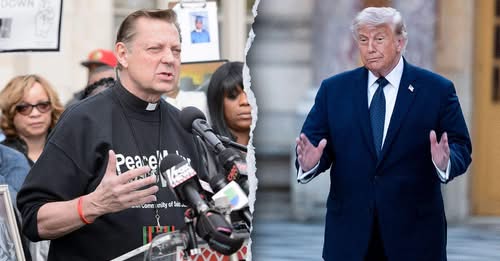
According to the Chicago Police Department, the city recorded a major spike in violence from Friday evening through Sunday night. Officials report 24 separate shooting incidents, 39 total victims, and at least 6 fatalities.
The violence unfolded during the Juneteenth weekend period, a time when large gatherings and outdoor activity increased across the city. Authorities have not released full details on individual cases, and investigations into the shootings are ongoing.
Why did the political backlash erupt
The situation escalated after President Trump posted on social media, criticizing Chicago’s leadership and suggesting that federal forces should be deployed to help restore order. In his remarks, Trump pointed to what he described as repeated cycles of violence in the city and argued that federal intervention could quickly reduce crime levels.
He also referenced past federal deployments in other cities, claiming they contributed to lower crime rates. The comments drew immediate backlash from local leaders who argued that federal intervention is not the solution to Chicago’s long-standing violence challenges.
What the priest said and why it sparked controversy
Father Michael Pfleger, a prominent advocate for gun violence prevention, responded strongly to Trump’s comments. He rejected the president’s claims about quick fixes and criticized past federal policies, saying funding cuts to prevention programs have weakened local efforts.
Pfleger argued that addressing gun violence requires sustained investment in community-based programs rather than federal enforcement actions. His remarks reflected frustration shared by several community leaders who attended meetings at Chicago City Hall following the weekend’s violence.
Chicago’s ongoing struggle with gun violence
Chicago has long faced persistent challenges with gun violence, particularly in certain neighborhoods on the South and West sides. City officials and advocacy groups have invested in violence prevention initiatives, including community intervention programs, Youth employment initiatives, Mental health outreach services, and nonprofit violence interruption networks.
Despite these efforts, spikes in shootings continue to occur during holiday weekends and summer months. The debate has increasingly centered on whether federal intervention, local policing strategies, or community funding provides the most effective path forward.
What happens next
Local leaders are now discussing the creation of a dedicated Department of Gun Violence Prevention, which would coordinate citywide efforts to reduce shootings and expand intervention programs.
At the same time, tensions remain between city, state, and federal officials over the role of national authorities in Chicago’s public safety strategy. developments to watch include: Ongoing police investigations into weekend shootings, City Council discussions on the proposed new department, Potential federal policy proposals related to urban crime response, Continued public debate over funding for prevention programs. No federal deployment has been announced at this time.
Why this matters
The latest exchange highlights a deep divide over how to respond to gun violence in major U.S. cities. For residents, the immediate concern remains safety and the frequency of shootings that continue to impact communities across Chicago.
For policymakers, the debate centers on whether enforcement, funding, or community based prevention offers the most effective long term solution. As the city mourns the victims of another violent weekend, the broader political argument shows no sign of slowing down, raising urgent questions about how to break the cycle of gun violence in America’s largest urban centers.