6 Hidden Food Drug Combos That Could Be Slowly Killing You
Some of the most dangerous health risks are not hiding in dark alleys or mysterious laboratories. They may be sitting quietly on your breakfast plate, inside your smoothie, beside your prescription bottle, or in the harmless-looking drink you pour after dinner. Food can nourish the body, but when it clashes with certain medications, that same food can turn a normal dose into too much, too little, or something your body struggles to handle.
The frightening part is that many of these reactions do not always feel dramatic at first. You may feel dizzy, tired, weak, nauseated, unusually sleepy, or simply off. Over time, those small warning signs can point to bigger problems, especially when the medication is meant to protect your heart, blood pressure, thyroid, liver, blood clotting, or mental health.
This is not a reason to fear food. It is a reason to respect the fine print on medication labels and ask better questions at the pharmacy counter. Never stop a prescribed medication without talking to a health professional, but do pay attention to these hidden combinations.
Grapefruit and Certain Cholesterol or Blood Pressure Medicines
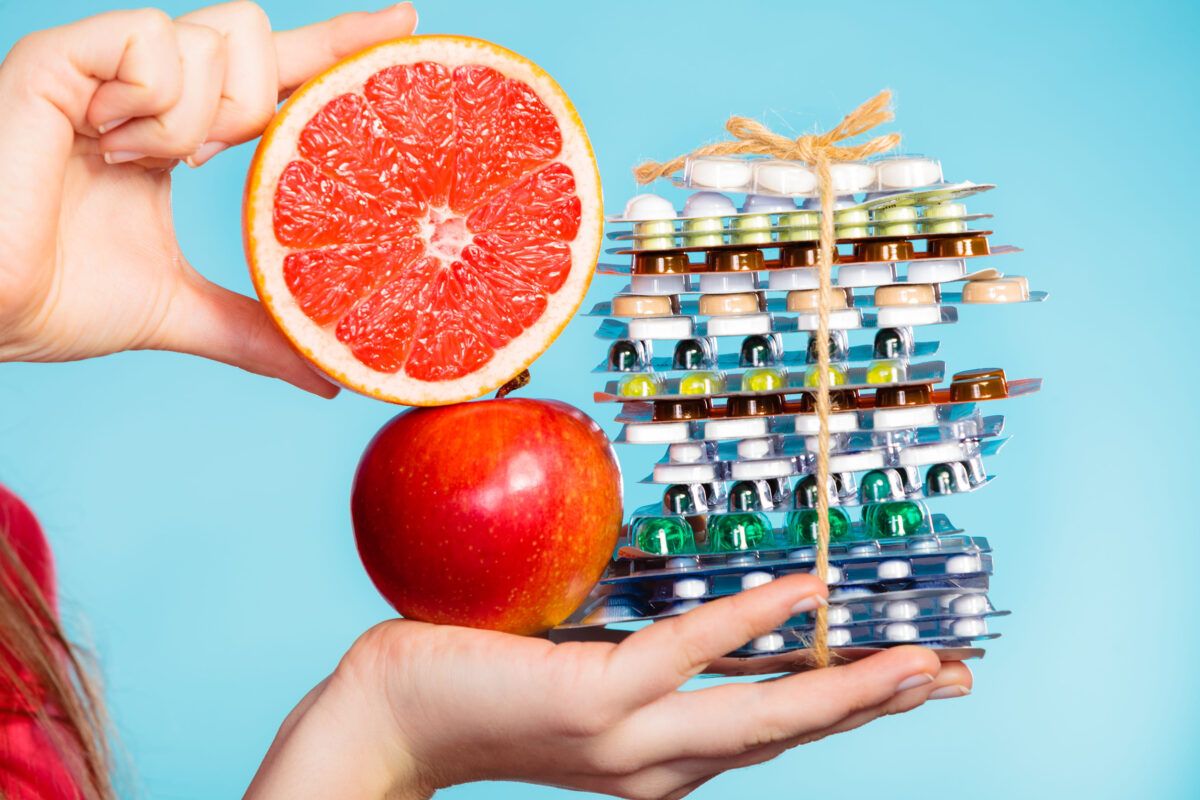
Grapefruit looks innocent. It is bright, refreshing, and often treated like the poster child for a clean breakfast. The trouble starts when grapefruit or grapefruit juice interferes with enzymes that help break down certain medicines in the body.
The U.S. Food and Drug Administration warns that grapefruit can affect how some prescription and over-the-counter medicines work, and some drug labels carry warnings against eating grapefruit or drinking grapefruit juice with them. This can be especially important with certain statins used for cholesterol and some medicines used for blood pressure or heart conditions. When the body does not break down the drug normally, the drug’s level in the blood can rise, increasing the risk of side effects.
This does not mean every statin or blood pressure medicine reacts the same way. It means grapefruit deserves a serious pause if you take regular medication. The danger is sneaky because many people think fruit is automatically safe, but with some prescriptions, one healthy choice can quietly amplify the medicine beyond what your doctor intended.
Leafy Greens and Warfarin
Kale, spinach, collard greens, broccoli, and other dark leafy vegetables are usually praised as nutritional heroes. They are full of valuable nutrients, and nobody should treat them like villains. The problem appears when someone taking warfarin suddenly changes how much vitamin K-rich food they eat.
Warfarin helps prevent dangerous blood clots, and vitamin K plays a role in normal blood clotting. NHS dietary guidance explains that people taking warfarin should keep their intake of vitamin K-containing foods consistent, as increasing or decreasing these foods can affect how warfarin works. The goal is not to remove leafy greens from the diet, but to avoid sudden swings that may alter clotting control.
This is where the slow danger creeps in. Someone starts a health kick, loads up on green smoothies, and assumes they are doing everything right. Another person cuts vegetables suddenly during a diet change. Both shifts can matter if warfarin is involved, which is why consistency and regular monitoring are so important.
Dairy Products and Certain Antibiotics
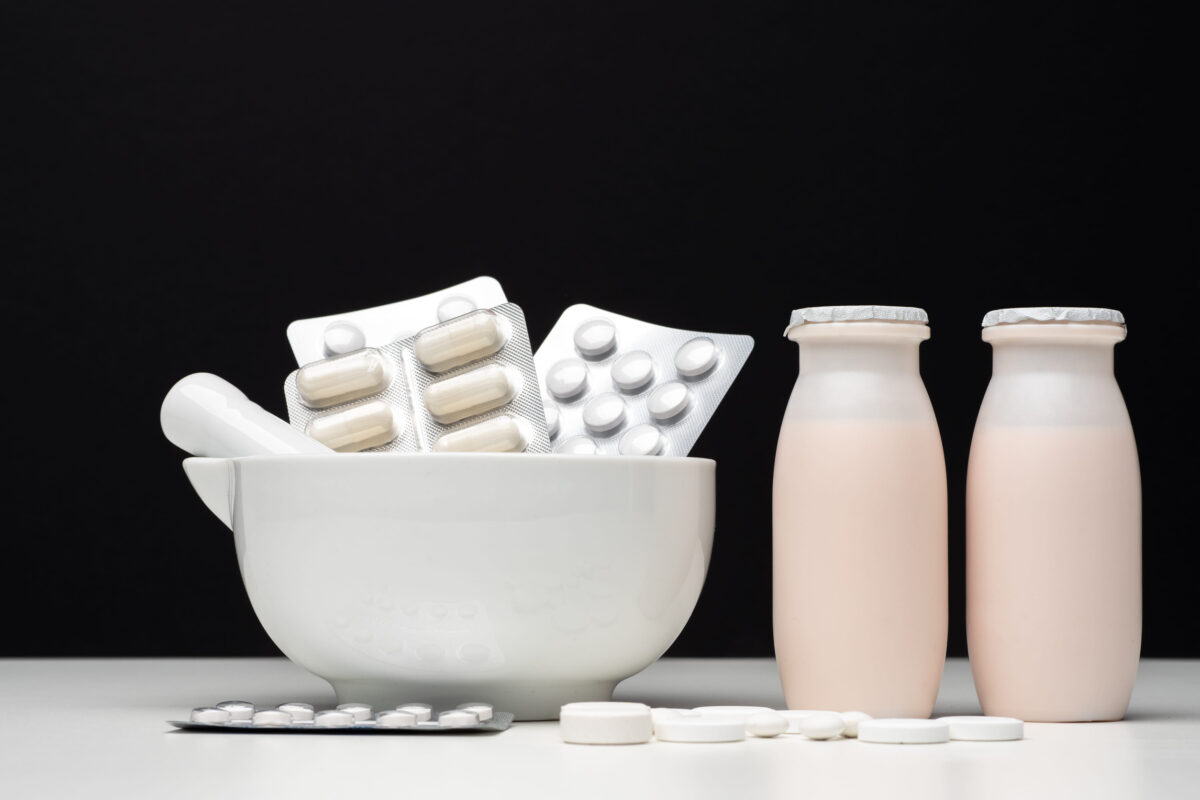
Milk, yogurt, cheese, and calcium-fortified drinks can seem like comfort foods when you are sick. Yet dairy can reduce the absorption of certain antibiotics, especially some tetracycline and fluoroquinolone antibiotics. That means the medicine may not work as strongly as expected.
The issue stems from minerals, such as calcium, binding to the medicine in the digestive tract. FDA labeling for ciprofloxacin warns that it should not be taken with dairy products or calcium-fortified juices alone, because this can interfere with absorption. Similar concerns apply to several drugs that need careful timing around calcium-rich foods.
The danger here is not always an instant emergency. It may be an infection that lingers, worsens, or becomes harder to treat because the medication never reached full strength in the body. If your prescription label says to avoid dairy near the dose, take that warning seriously. Spacing the medicine and dairy may be enough, but the exact timing should be determined by your pharmacist or doctor.
Alcohol and Painkillers or Sedating Medicines
Alcohol is one of the most underestimated medication mixers because people often separate drinking from health decisions. A glass of wine, a beer, or a cocktail may feel unrelated to the pills taken earlier in the day. The body does not see it that way.
The National Institute on Alcohol Abuse and Alcoholism warns that mixing alcohol with certain medicines can cause drowsiness, fainting, loss of coordination, breathing problems, internal bleeding, heart problems, and can make some medicines harmful or toxic. Alcohol combined with opioids or benzodiazepines is especially dangerous because each can suppress breathing through different pathways. Alcohol also plays a role in a notable share of overdose deaths involving prescription opioids and benzodiazepines.
Acetaminophen deserves special attention because the liver processes it, and alcohol can increase the strain on the liver. Mayo Clinic notes that an acetaminophen overdose can damage the liver and kidneys, and people with liver disease need medical guidance on safe dosing.
This combo can be deadly because it hides in plain sight. Someone takes pain medicine for a headache, pours a drink after work, and assumes nothing serious happened because they feel fine at first. That confidence can be dangerous.
Potassium-Rich Foods and Certain Heart or Blood Pressure Medicines
Potassium is essential. Bananas, oranges, potatoes, spinach, avocados, and some salt substitutes can support normal body function. But in people taking certain medications, too much potassium can become a quiet threat.
ACE inhibitors can cause too much potassium in the blood as a possible side effect, according to Mayo Clinic. Spironolactone, a potassium-sparing diuretic, carries FDA label guidance advising patients to avoid potassium supplements and foods high in potassium, including salt substitutes.
This matters because high potassium levels do not always announce themselves loudly. It may cause weakness, fatigue, nausea, numbness, or heart rhythm problems. Salt substitutes are especially tricky because many people use them to protect their blood pressure, not realizing they may contain potassium. A person trying to eat healthier can accidentally walk into a medication conflict if their kidneys, heart medicines, or blood pressure drugs cannot handle the added potassium load.
Aged Cheese, Cured Meats, and MAOI Antidepressants
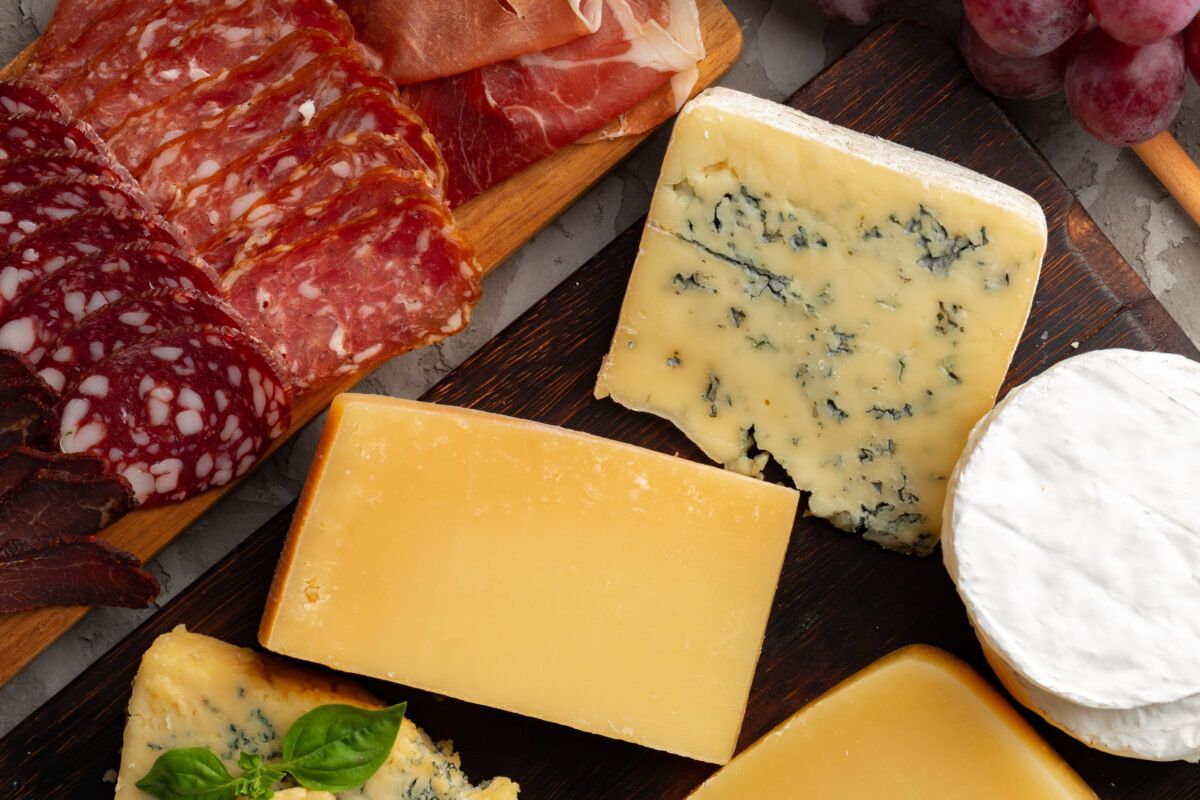
This is one of the older food and drug warnings, but it still matters. Some antidepressants called monoamine oxidase inhibitors, or MAOIs, can interact dangerously with tyramine, a natural compound found in aged, fermented, cured, overripe, or spoiled foods.
Mayo Clinic advises people taking MAOIs to avoid foods and drinks high in tyramine, including aged cheeses, cured meats, draft beer, and certain fermented foods. The concern is that tyramine can trigger a dangerous rise in blood pressure when the body cannot break it down properly because of the medication.
MAOIs are not as commonly used as many newer antidepressants, so people may forget how serious this warning is. But for those who take them, a fancy cheese board, cured sausage, fermented snack, or certain alcoholic drinks can become far more than an indulgence. It can become a blood pressure emergency.
Conclusion
The scariest food-drug combinations are not always exotic. They are often ordinary things people consume without a second thought: grapefruit at breakfast, greens in a smoothie, milk with medicine, wine after painkillers, salt substitutes with blood pressure drugs, or aged cheese with certain antidepressants.
The real lesson is simple. Food and medicine are powerful, and the body has to process both at the same time. That does not mean you should panic or throw away everything in your kitchen. It means you should read medication labels, ask your pharmacist direct questions, and tell your doctor honestly about your diet, supplements, alcohol use, and major eating changes.
A small conversation can prevent a major health crisis. The most dangerous combo is not always food plus medicine. Sometimes, it is medicine plus silence.