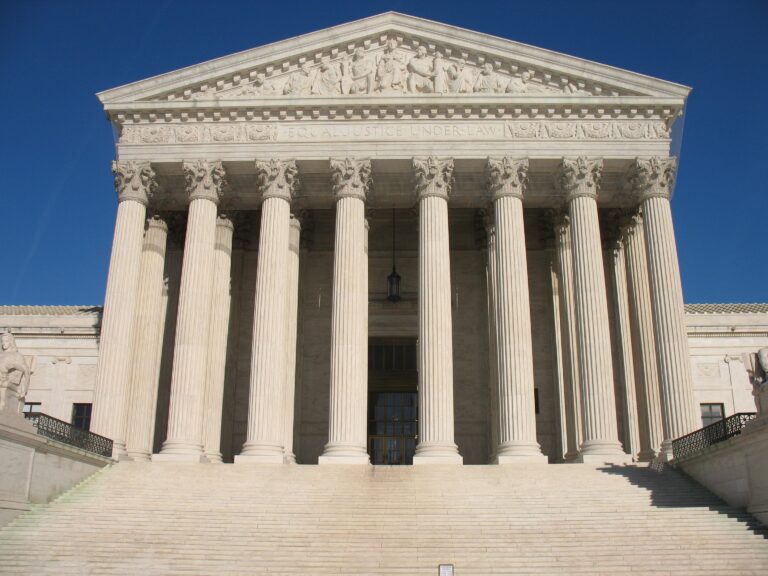
9 Brutal Truths About Human Nature That Laws Keep Hidden
Human nature looks polite when there are rules, cameras, consequences, and witnesses. People wait in lines, respect property, lower their voices, shake hands, apologize, and pretend civilization lives deep inside them. Yet much of what we call decency is often supported by systems that punish selfishness before it grows teeth.
Laws do not make people good, but they do make bad choices expensive. They create boundaries around greed, rage, lust, revenge, and dominance. Remove those boundaries, and the hidden parts of human nature begin to show themselves with frightening speed.
People Respect Property More When Theft Has Consequences

Most people say they believe stealing is wrong, but property rights survive because society punishes those who violate them. A wallet left on a table may be returned by an honest stranger, but it may also disappear if nobody is watching. Human beings often balance morality against opportunity, especially when the risk feels low.
Laws keep ownership from becoming a daily battle of strength. Without rules, the weak would constantly defend what little they have from those bold enough to take it. Civilization turns possession into a legal right instead of a physical contest.
Kindness Often Depends on Comfort

People are usually kinder when their needs are met. A well-fed person in a safe neighborhood can eloquently speak to compassion, patience, and generosity. Put that same person under hunger, fear, exhaustion, or panic, and their soft values may begin to crack.
This does not mean kindness is fake, but it does mean kindness often grows best in stable conditions. Laws protect those conditions by preventing constant chaos. They give people enough safety to choose goodness instead of survival mode.
Power Changes People Faster Than They Expect
Many people believe they would stay humble if they gained power. Yet power has a strange way of making people excuse themselves, ignore criticism, and treat others as tools. The moment someone can act without immediate consequences, their true self often becomes louder.
Laws restrain power before it becomes cruel. They remind leaders, bosses, parents, police officers, landlords, and institutions that authority must answer to something higher than personal desire. Without limits, power easily becomes appetite.
Revenge Feels More Natural Than Forgiveness
Forgiveness sounds noble, but revenge often feels more satisfying in the heat of pain. When someone is betrayed, humiliated, robbed, or harmed, the first instinct is rarely calm justice. The first instinct is often to make the other person feel the same wound.
Laws interrupt revenge before it becomes endless blood-for-blood. They take punishment out of private hands and place it inside a system, imperfect as that system may be. Without that structure, every insult could become a feud, and every feud could become a war.
People Follow Crowds Even When the Crowd Is Wrong
Human beings like to think they are independent thinkers, but crowd behavior exposes a different truth. People laugh when others laugh, panic when others panic, and attack when the group gives permission. A crowd can turn ordinary people into participants in things they would never do on their own.
Laws create a wall between emotion and action. They tell people that group anger does not excuse violence, theft, destruction, or cruelty. Without that wall, mob behavior can become one of the fastest ways for civilized people to become dangerous.
Fear Can Make People Cruel
Fear is one of the most powerful forces in human nature. When people feel threatened, they may stop seeing others as neighbors and start seeing them as problems to remove. Fear can make a person justify harshness, exclusion, silence, and even violence.
Laws are meant to slow fear down. They protect rights when public emotion wants shortcuts. They remind society that panic should not decide who gets dignity, justice, food, shelter, or safety.
Self-interest often wins over fairness.
People love fairness when it protects them. They become less enthusiastic when fairness requires sacrifice. A person may demand justice in their own case, then look away when someone else suffers the same thing.
This is one of the reasons laws matter. They force fairness to exist beyond personal convenience. Without rules, people would often support justice only when it served their family, their tribe, their money, or their reputation.
Desire Can Overpower Respect
Human beings are driven by desire, and desire does not always care about boundaries. People want bodies, status, attention, wealth, control, praise, and access. When desire goes unchecked, it can turn other people into objects instead of human beings.
Laws exist partly because respect cannot be left to mood, attraction, or impulse. Consent, privacy, workplace rules, harassment laws, and abuse protections all recognize a painful truth. Some people will cross lines unless those lines come with serious consequences.
Morality Is Often Stronger in Public Than in Private
Many people behave better when they know they are being watched. Public reputation can be a powerful mask. A person may be polite outside and cruel at home, generous in public and selfish in secret, respectful online and manipulative in private.
Laws cannot see everything, but they create accountability where reputation fails. They give victims a language for harm and society a process for response. Without laws, private cruelty would hide even more easily behind public charm.
Conclusion
The brutal truth about human nature is not that everyone is secretly evil. It is that everyone carries instincts that need boundaries. Anger, greed, fear, desire, pride, revenge, and selfishness live close to the surface, even in people who consider themselves decent.
Laws do not remove these instincts. They discipline them. They turn impulse into responsibility, power into duty, conflict into process, and survival into society. Without laws, human nature would not suddenly become honest and free. It would become exposed, and much of what we discovered would frighten us.
Civilization works because it admits something many people do not want to admit. Good intentions are not enough. A peaceful society needs conscience, culture, compassion, and consequences, because human nature behaves best when it knows there is a line it cannot cross.