7 Things You Should Never Say to Your Spouse in Front of Family
Family gatherings are supposed to be about good food, laughter, and catching up with people you love. But sometimes, between passing the mashed potatoes and discussing holiday plans, someone makes a comment that turns an otherwise lovely afternoon into an awkward silence.
The problem isn’t always a major argument. Sometimes, it’s a careless joke, an embarrassing story, or a comparison that leaves your spouse wishing they had stayed home. One unfortunate comment doesn’t automatically damage a marriage, but some remarks are better left unsaid, especially when there’s an audience.
“You Never Do Anything Right”

Your spouse forgot to bring the dessert to Thanksgiving dinner. Annoying? Absolutely. A reason to announce that they’re incapable of doing anything correctly? Not quite.
Statements like “you never do anything right” turn one mistake into a sweeping judgment about someone’s character. And when parents, siblings, and cousins are listening, the embarrassment can become bigger than the original problem.
The Gottman Institute distinguishes between criticizing a person’s character and complaining about a specific behavior. A 2022 meta-analysis of 64 studies also found that negative communication was associated with poorer relationship quality later on.
Instead of delivering a public performance review, try saying, “We forgot the dessert. Let’s figure something out.” You can discuss why it happened privately without making your spouse the family’s afternoon entertainment.
“Why Can’t You Be More Like My Sister’s Husband?”
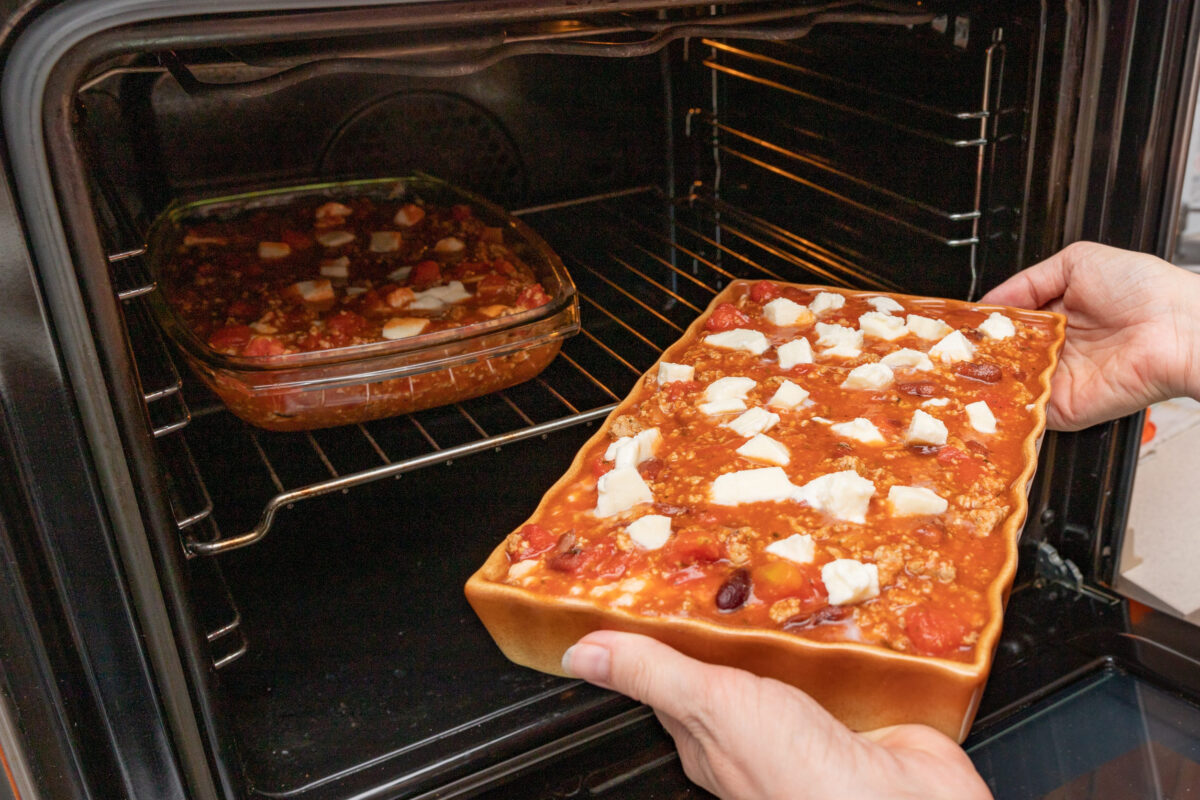
Every family has that one relative who does everything perfectly. They organize vacations, remember birthdays, fix broken appliances, and somehow still find time to make homemade lasagna.
It’s tempting to point out these impressive achievements when your own spouse forgets to take out the garbage. But comparing your partner to someone else’s husband or wife rarely communicates what you actually need.
A study of 78 couples found that people who frequently compared their relationships unfavorably with others reported lower relationship satisfaction.
The family connection makes things especially uncomfortable because your spouse may have to see that comparison target at every reunion.
Rather than wishing your partner were someone else, be specific about what would help. “I’d love it if you planned our next weekend together” gives your spouse something useful to work with, without turning marriage into a competition.
“Let Me Tell Everyone What You Did Last Night”

A funny story about your spouse accidentally wearing mismatched shoes might get everyone laughing. Sharing details about their private struggles, financial worries, or an emotional disagreement is another matter entirely.
Not every part of married life belongs at the dinner table, even when everyone sitting around it shares the same last name.
Research published in the Journal of Applied Communication Research examined how 20 married couples managed sensitive information following miscarriage. The researchers found that couples navigated disclosure through shared expectations, personal boundaries, and decisions about who needed to know.
The broader lesson is straightforward: marriage doesn’t automatically grant permission to share everything.
Before telling a personal story, ask whether your spouse is comfortable with it. And remember, respecting privacy should never mean preventing someone from seeking help when they genuinely need support.
“You’re Too Sensitive. Can’t You Take a Joke?”
Your cousin laughs. Your brother nearly spits out his drink. Everyone thinks your joke about your spouse’s cooking is hilarious, except the person standing beside you.
When your spouse looks uncomfortable, saying they’re too sensitive only makes the situation worse.
Research by psychologist Dacher Keltner and colleagues found that people being teased often experienced more negative emotions than those doing the teasing. In other words, the person delivering the joke and the person receiving it may experience two completely different conversations.
Playful teasing can be part of a happy marriage, but it works best when both people genuinely enjoy it.
If your spouse asks you to stop, a simple “Sorry, that wasn’t funny to you” is far more useful than insisting they develop a better sense of humor.
After all, a family gathering isn’t about finding out who can tolerate the most embarrassment.
“I Make the Money, So I Make the Decisions”
Imagine discussing a family vacation when one spouse raises concerns about the cost. Instead of considering the budget, the other announces, “I make the money, so I make the decisions.”
Suddenly, an ordinary financial conversation becomes a statement about who supposedly matters more.
Earning more money doesn’t automatically make someone’s opinions more valuable. Raising children, maintaining a household, and handling everyday responsibilities also contribute to a partnership, even when those efforts don’t come with a paycheck.
A 2023 study of 230 engaged and newlywed couples found that participants who combined their finances maintained relationship quality over two years, while comparison groups declined. That doesn’t mean every couple needs joint accounts, but it highlights the relevance of financial cooperation.
Financial disagreements deserve honest conversations, not public power struggles. When one partner uses money to restrict the other’s access or independence, the issue may extend beyond insensitive wording into financial abuse.
“Even My Family Agrees That You’re Wrong”
There’s nothing quite like arguing with your spouse and suddenly discovering that your mother-in-law, two brothers, and Aunt Linda have apparently joined the opposing team.
Bringing relatives into a disagreement to prove you’re right can leave your spouse feeling outnumbered and misunderstood.
Family-systems theory describes how tension between two people can involve a third person. While family support can be valuable, recruiting relatives to settle every marital disagreement may complicate things.
Research following 355 married couples also found associations between certain differences in spouses’ perceptions of in-law relationships and marital stability over 16 years.
That doesn’t mean family members should never offer advice. It means their opinions shouldn’t automatically become ammunition.
A better response is, “We appreciate everyone’s concern, but we’ll figure this out together.” Your marriage isn’t a courtroom, and your relatives don’t need to serve as the jury.
“I Don’t Know Why I Married You”
Few comments can change the mood at an anniversary dinner faster than someone announcing that marrying their spouse was apparently a terrible decision.
Even when delivered sarcastically, this remark can sound less like a complaint about something that happened and more like a rejection of the relationship itself.
The Gottman Institute identifies contempt, including mockery and expressions of superiority, as a destructive communication pattern. Of course, genuinely questioning a marriage is different from using marital regret as a punch line.
If you’re frustrated about something your spouse said or did, explain the actual problem privately. “I felt embarrassed when you told that story” communicates much more than questioning the entire marriage in front of relatives.
And if deeper relationship concerns exist, they deserve a serious conversation, not an announcement between dinner and dessert.
Related: 10 Things Women Over 50 Say They’d Never Tolerate in a Marriage Again
A Little Respect Goes a Long Way
Nobody communicates perfectly, especially during stressful family gatherings. If you’ve made an embarrassing comment, acknowledging it and apologizing sincerely can help begin repairing the moment.
Marriage doesn’t require agreeing about everything or pretending problems don’t exist. It helps to remember that your spouse is your partner, not the punchline of the next family joke.
Related: 10 Things Women Over 60 Say They’d Never Put Up With in a Marriage Again