10 Foods You Should Never Put in the Freezer
Freezers are kitchen lifesavers, keeping food fresh and extending your grocery budget. Yet some everyday foods pay a high price when frozen, losing taste, texture, or safety. Knowing what not to freeze can save meals, money, and frustration. The problem usually comes down to water, fat, and structure. Ice crystals puncture delicate cell walls, emulsions break apart, and crisp textures disappear. Freezing works wonders for some items but ruins others completely.
Even when the temperature is perfect at 0°F, quality matters more than safety. Some foods stay edible but become disappointing, while others become outright unsafe if mishandled.
Here are 10 foods to always keep out of the freezer.
Milk and Cream

Milk and heavy cream contain delicate fat structures that break when frozen. Once thawed, milk can separate and become grainy, and cream often curdles. Drinking it straight or using it in coffee rarely works, though it may survive cooking in sauces or baking.
Freezing does not kill bacteria; it only slows growth. The American Dairy Association notes that thawed milk is safe only if it is frozen and defrosted properly, but its quality suffers. For fresh taste, keep dairy in the fridge and buy smaller quantities if necessary.
Soft Cheeses
Ricotta, cream cheese, cottage cheese, and fresh mozzarella lose their texture when frozen. Ice crystals form inside, leaving the cheese watery, crumbly, or rubbery after thawing. Hard cheeses like cheddar survive freezing better, but delicate varieties are best used fresh.
Soft cheeses are popular in spreads, dips, and desserts, so texture matters. Once thawed, they often need cooking to mask the change, making the freezer more of a workaround than a solution.
Eggs in the Shell
Raw eggs expand when frozen, often cracking the shell and exposing the egg to bacteria. Hard-boiled eggs become rubbery, and the whites turn watery. Raw eggs can be frozen safely only if removed from the shell and beaten together, sometimes with a pinch of salt or sugar to preserve structure.
Eggs are a staple in breakfast, baking and meal prep. Freezing them whole in the shell is a common mistake that leads to cracked eggs and wasted food.
Lettuce and Leafy Greens
Ice crystals destroy the delicate leaves of romaine, butter, and iceberg lettuce. Thawed leaves turn soggy, slimy, and unappetizing, perfect for nothing except maybe soup stock. Heartier greens like kale, collards, and chard are better suited to survive, but salad greens are strictly fresh-food territory.
Leafy greens are mostly water, with wide varieties over 90%, which makes them highly vulnerable to freezer damage. If salad freshness matters, refrigeration is always the better option.
Cucumbers

Whole cucumbers contain 95% water. Freeze them, and the cellular structure collapses, leaving a limp, wet, and flavorless vegetable. Sliced cucumbers can be frozen for smoothies or blended sauces, but never expect them to stay crisp for salads or sandwiches.
The crisp crunch is why we love cucumbers. Freezing destroys that texture, turning what should be a refreshing snack into a sad, watery mess.
Fried Foods
Fried chicken, onion rings, and French fries lose their crunch after freezing and thawing. Moisture from thawing penetrates the crust, leaving soggy leftovers. Even reheating in the oven or air fryer rarely restores the original texture.
Commercial frozen fries survive because they’re prepared for freezing. Homemade fried foods are not designed to withstand ice crystals, so they are best eaten fresh.
Cooked Pasta

Cooked pasta swells, softens, and becomes mushy when frozen and reheated. Thin noodles and spaghetti are particularly fragile, while stuffed pastas often lose their filling structure. Slightly undercooking pasta before freezing can help, but plain leftovers rarely keep well.
Quality pasta relies on a delicate al dente bite. Freezing destroys that, turning your perfectly cooked noodles into overcooked mush.
Carbonated Drinks
Soda, sparkling water, beer, and canned cocktails expand as they freeze. The pressure can cause cans or bottles to burst, creating a sticky mess and a potential safety hazard. Freezing carbonated beverages in a container designed for ice can work in a pinch, but otherwise, ice baths are safer.
Even brief freezing can ruin a drink’s fizz. If carbonation matters, chilling in the fridge or ice is the way to go.
Gelatin Desserts
Gelatin-based foods, from classic Jell-O to mousse desserts, lose their texture when frozen. Freezing weakens the gel structure, leaving a watery, rubbery, or separated product once thawed. Frozen gelatin is a different texture altogether, often chewy and less appealing.
These desserts depend on their signature jiggle. Freezing turns them into a mess, so refrigeration is always preferred.
Raw Potatoes
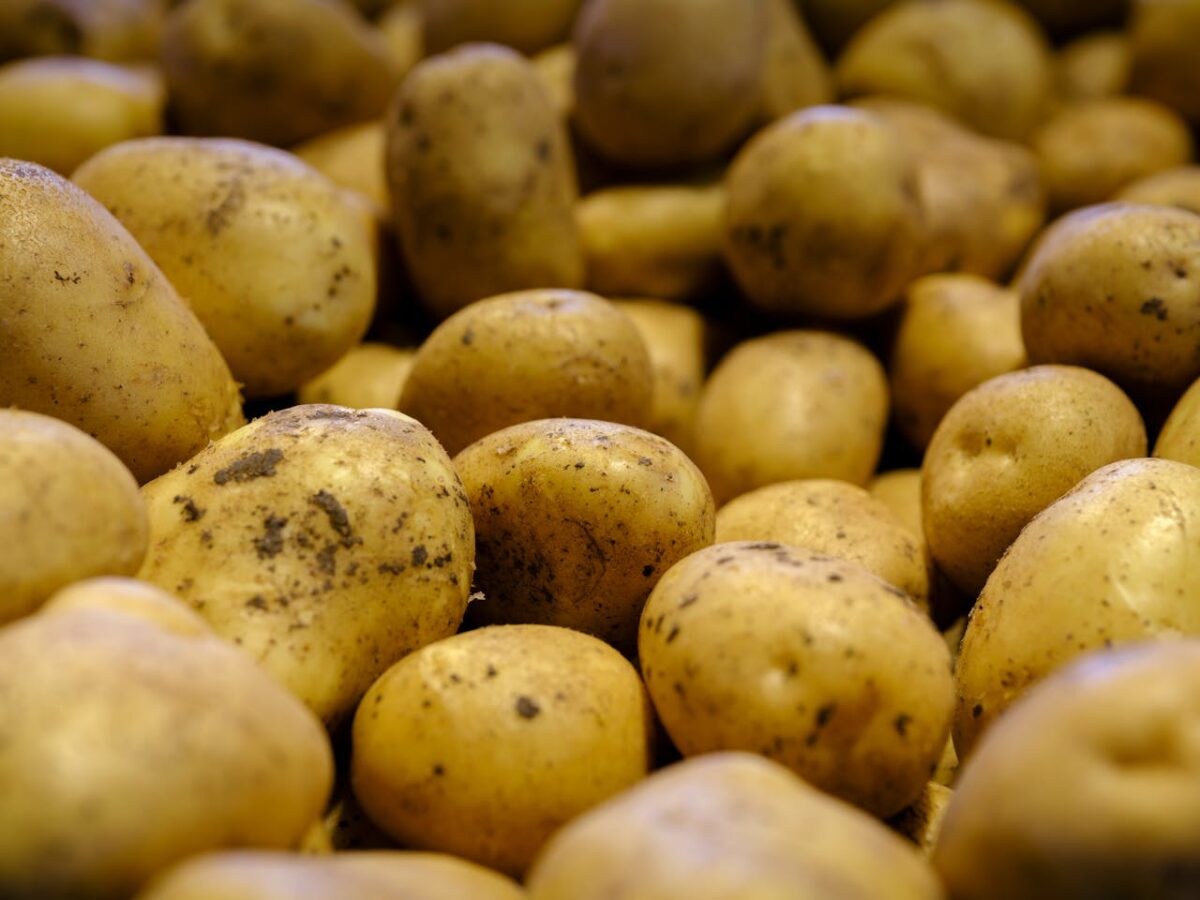
Raw potatoes freeze poorly because ice crystals destroy their starch structure. Once thawed, they taste grainy, mealy, or sweet, with a soggy texture. Blanching, roasting, or mashing before freezing preserves texture much better.
Potatoes are best frozen only after some cooking. Raw whole potatoes in the freezer are a sure path to disappointment.