Tropical Storm Bertha Slams Louisiana Coast With 45 MPH Winds as Beaches Close, Flood Threats Spread Toward Texas
Tropical Storm Bertha has arrived on the Gulf Coast, bringing a dangerous combination of powerful wind gusts, rising water, coastal flooding concerns, and beach closures from Florida to Louisiana.
The storm made landfall in southern Louisiana near St. Bernard Parish, east of New Orleans, as officials warned that a tropical storm does not need hurricane-force winds to create serious problems. With 45 mph sustained winds, a wind field stretching up to 160 miles and storm surge reaching as high as 3 feet, Bertha created widespread concerns along vulnerable coastal communities.
Although Bertha was considered a relatively weak tropical storm, its location and broad reach made it a significant weather event. Across multiple Gulf Coast states, residents faced threats from high winds, rough surf, coastal flooding, and heavy rainfall as the storm continued its westward path toward Texas.
Tropical Storm Bertha Makes Louisiana Landfall Near New Orleans
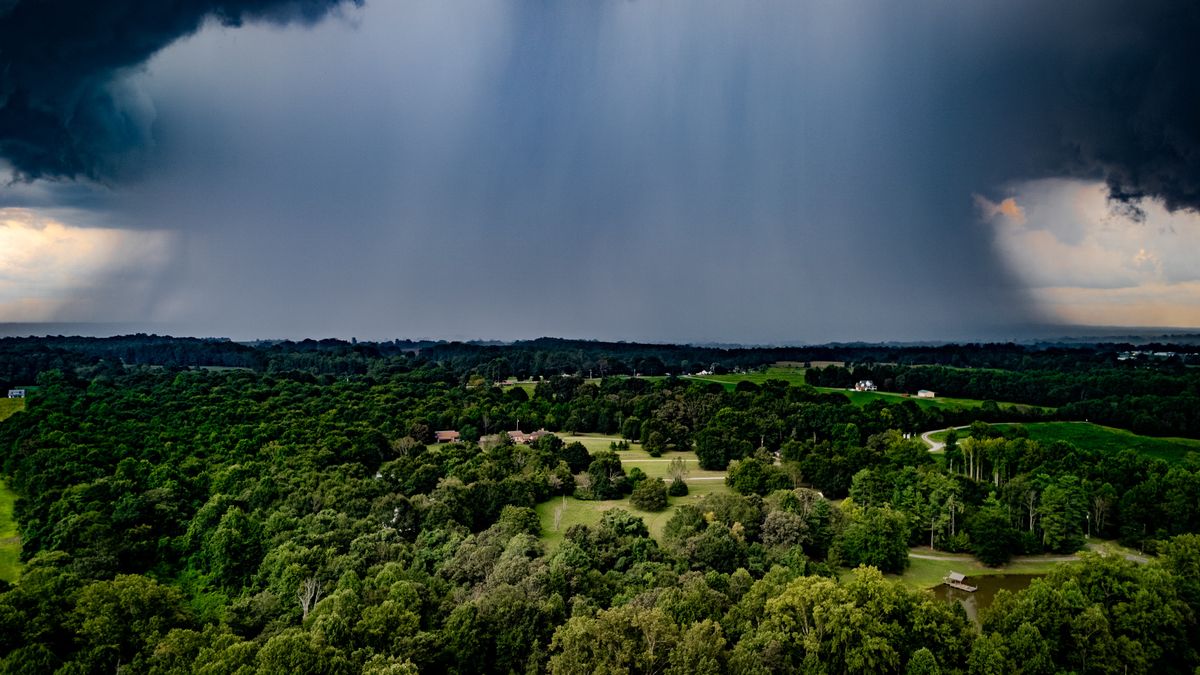
Tropical Storm Bertha pushed onto the Louisiana coastline Wednesday afternoon, making landfall in St. Bernard Parish approximately 40 miles east of New Orleans. The storm arrived with maximum sustained winds of 45 mph, but forecasters emphasized that the greatest dangers were not limited to wind speed alone. Coastal flooding, storm surge and dangerous water conditions became the primary concerns as Bertha moved inland.
The National Hurricane Center reported that tropical-storm-force winds extended as far as 160 miles away from Bertha’s center, allowing the storm to affect communities well beyond the immediate landfall location. A storm with a wide circulation can create hazardous conditions across a large area, meaning residents far from the center still needed to prepare for gusty winds, rough waters and sudden weather changes.
Beaches Close Across Gulf Coast as Bertha Creates Dangerous Conditions
Before reaching Louisiana, Bertha forced beach closures across sections of the Gulf Coast as officials responded to dangerous surf, stronger currents and worsening marine conditions. Several popular coastal areas restricted swimming as the storm generated waves and rip currents capable of pulling swimmers away from shore.
The closures stretched across parts of the Florida Panhandle, Mississippi and Louisiana, affecting summer travelers and local beach businesses. With one tropical storm, hundreds of miles of coastline exposed and dangerous ocean conditions developing, officials warned that beaches could remain unsafe even after the storm’s strongest winds moved away.
Storm Surge Threatens Low-Lying Coastal Areas
One of the biggest concerns surrounding Bertha was the threat of storm surge flooding along low-lying Gulf Coast communities. Forecasters warned that water levels could rise by as much as 3 feet in parts of Louisiana and Alabama, especially around coastal bays, marshes, and areas close to the shoreline.
Even a few feet of additional water can create serious problems for coastal neighborhoods. Roads can quickly become flooded, vehicles can be damaged, and access to homes or businesses can become difficult. Officials urged residents to remain cautious because storm surge can develop rapidly and often becomes one of the most dangerous parts of a tropical system.
Bertha Brings Rare Combination of Tropical Storm and Extreme Heat Warnings
Southern Louisiana faced an unusual weather challenge as Tropical Storm Bertha arrived alongside dangerous heat conditions. Weather officials described the situation as a rare combination of tropical storm risks and extreme heat warnings occurring at the same time, creating additional challenges for residents and emergency crews.
Heat indexes climbed into dangerous levels, with some areas experiencing temperatures that felt above 110 degrees Fahrenheit because of high humidity. The combination of flooding concerns, strong winds and extreme heat created difficult conditions for outdoor workers, first responders and residents preparing their homes before the storm passed.
Strong Wind Gusts Create Isolated Damage Along the Coast
Although Bertha did not produce widespread destruction, its strong wind gusts caused isolated damage in some areas. A 44 mph wind gust was recorded at New Orleans Lakefront Airport, showing that the storm was capable of producing powerful bursts even outside the immediate landfall zone.
The storm also created problems before reaching Louisiana, including reports of a Waffle House sign falling onto a vehicle in Panama City Beach, Florida. These incidents showed how even moderate tropical storms can produce sudden hazards through strong winds, flying debris, and unstable structures.
Rainfall Threat Shifts Toward Texas After Louisiana Landfall
After crossing Louisiana, Bertha continued moving west toward the upper Texas coast with the potential to bring additional rainfall and localized flooding. Forecasts called for 1 to 4 inches of rain, with isolated locations possibly receiving higher totals as rainbands moved through coastal areas.
Because Bertha’s strongest thunderstorms remained unevenly distributed, rainfall impacts varied widely from one community to another. Some locations experienced only brief showers, while others faced heavier bursts capable of overwhelming drainage systems and creating temporary flooding on roads and low-lying areas.
Gulf Coast Communities Prepare as Bertha Moves West
Communities across the Gulf Coast took precautions before Bertha’s arrival by closing parks, restricting access to piers, and preparing areas vulnerable to flooding. Officials recognized that tropical storms can disrupt daily life even when they do not reach hurricane strength.
The storm affected a region stretching across several coastal states and hundreds of miles of shoreline, putting tourism, fishing operations and coastal businesses on alert. From beach closures to transportation concerns, Bertha demonstrated how quickly a tropical system can impact communities throughout the Gulf Coast.
Why Bertha Created More Concern Than Its Category Suggested
Bertha highlighted an important lesson about tropical weather: a storm’s impact is not determined only by its maximum wind speed. The system combined several hazards at once, including a broad wind field, coastal flooding potential, dangerous surf, and extreme heat.
The storm brought together several measurable threats, including 45 mph sustained winds, a 160-mile wind reach, up to 3 feet of storm surge, and rainfall totals reaching several inches. These factors explain why officials continued urging caution despite Bertha remaining below hurricane strength.
Bertha Expected to Weaken After Reaching Texas
Forecasters expected Bertha to gradually weaken after moving farther inland across Texas. As the storm lost access to warm Gulf waters, its circulation was expected to break down and eventually transition into a weaker remnant system.
However, weakening does not immediately eliminate risks. Flooding, dangerous surf, and isolated strong winds can continue after the storm center passes. Residents along the Gulf Coast were advised to continue following weather alerts until conditions fully improve.
Tropical Storm Bertha Shows Why Gulf Coast Preparedness Matters
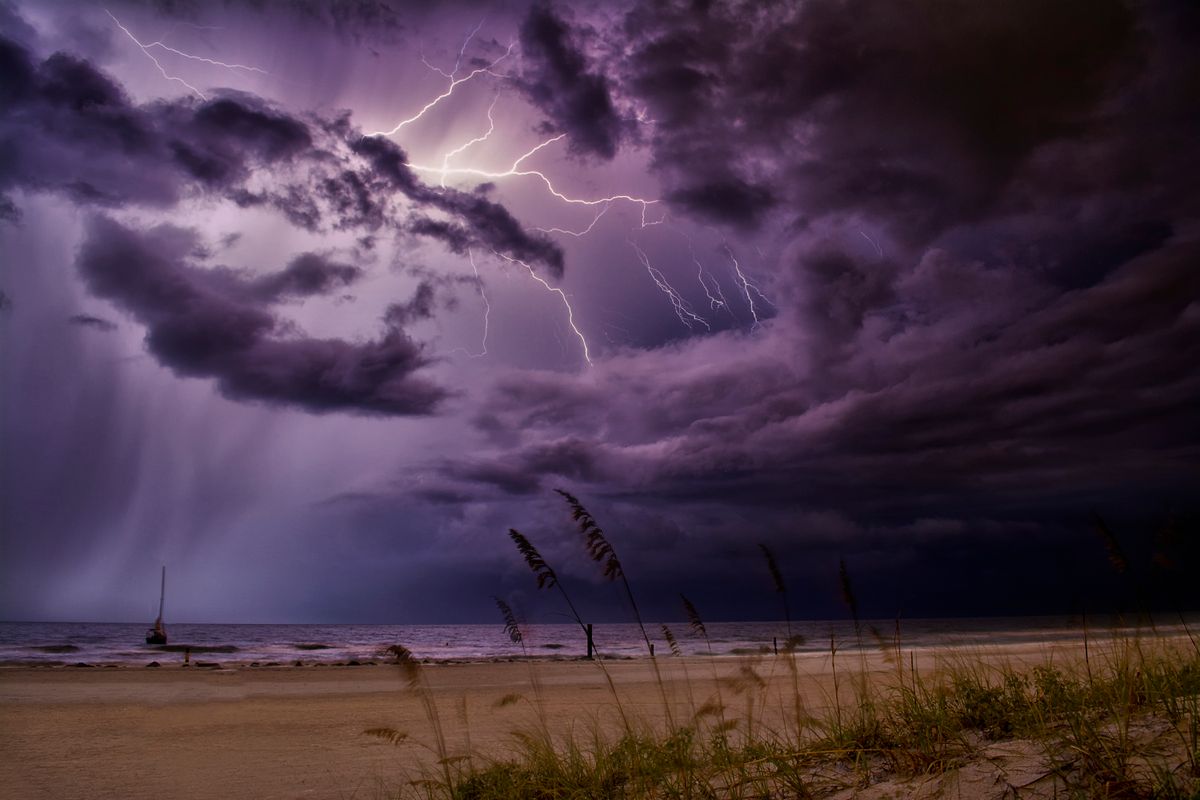
Tropical Storm Bertha may not become one of the strongest storms of the season, but its effects demonstrate why preparation remains essential along the Gulf Coast. The storm produced a combination of wind, water and heat threats that affected communities far beyond the point of landfall.
With one Louisiana landfall, multiple coastal hazards, a 160-mile wind footprint and thousands of residents monitoring conditions, Bertha became another reminder that even weaker tropical systems can create serious disruptions. For Gulf Coast communities, staying informed, avoiding flooded roads, and respecting weather warnings remain the most important steps during rapidly changing tropical conditions