The Truth About Burnt Food: Should You Avoid That Blackened Crust?
There is something satisfying about crispy food. A slice of toast with a dark edge, fries with an extra crunch, or meat fresh off the grill with a smoky crust can feel like the best part of a meal.
But when food goes from golden brown to blackened, many people start wondering: Is burnt food actually bad for us, or is this just another kitchen myth? The answer is more complicated than a simple yes or no.
Burning food does not instantly turn a meal into something dangerous. However, cooking certain foods at very high temperatures for too long can create compounds that scientists study, including acrylamide in some starchy foods and heterocyclic amines (HCAs) and polycyclic aromatic hydrocarbons (PAHs) in some heavily charred meats.
The practical takeaway is not to panic over one accidentally burnt piece of toast. Instead, avoid making heavily browned and charred food a regular habit.
Burnt Food Is Not One Single Category
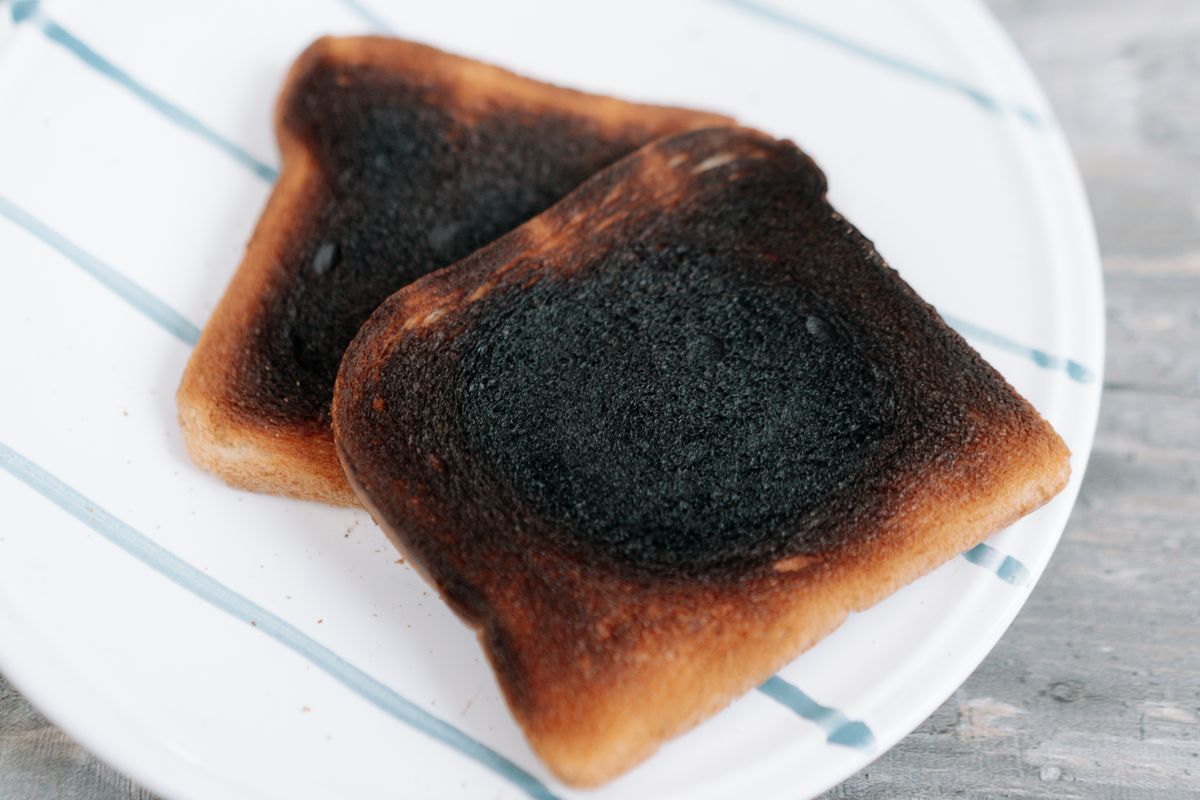
One of the biggest misunderstandings is treating all burnt food as if it creates the same concerns. A blackened piece of toast, a batch of overcooked fries, and a charred steak may all look burnt, but the chemistry behind them is different.
Starchy foods such as potatoes and bread can form acrylamide during high-temperature cooking. Meat exposed to very high heat, flames, or smoke can form compounds such as HCAs and PAHs.
That means the best advice depends on what you are cooking. A slightly browned crust is not the same thing as a completely blackened surface.
What About Burnt Toast?
Toast is one of the foods people often mention when discussing burnt food. When bread is heated, especially until it becomes dark brown or black, acrylamide can form. This compound develops during certain high-heat cooking processes involving naturally occurring sugars and an amino acid called asparagine. The fix is surprisingly simple: aim for golden-brown toast instead of dark brown or black.
If you accidentally burn one slice, there is no reason to panic. Scraping off the burnt area may improve the taste, but preventing heavy browning in the first place is the better habit.
Why Fries and Potatoes Get Attention
French fries, potato chips, and roasted potatoes are commonly discussed because they can produce acrylamide during high-temperature cooking. The goal is not to avoid potatoes completely. It is about controlling how they are prepared.
A batch of fries that is golden yellow is different from one that is dark brown and heavily crisped. Simple cooking choices can help. Following recommended cooking times, avoiding excessive browning, and using different preparation methods such as boiling or steaming when appropriate can reduce the chances of creating heavily browned surfaces.
Even an air fryer does not automatically remove the concern. Any high-heat cooking method that creates significant browning can still matter.
Why Experts Recommend Moderation Instead of Fear
The conversation around burnt food often swings to extremes. Some people treat it as completely harmless, while others suggest avoiding every burnt bite. The reality is more balanced.
Research on compounds like acrylamide has raised concerns, but studies looking at human diets have not provided a simple answer that one burnt meal automatically leads to a specific outcome.
That is why food safety organizations focus on reducing unnecessary exposure rather than encouraging people to panic over occasional cooking mistakes. The goal is not fear. It is making small, practical changes when they are easy to do.
Use a Thermometer Instead of Cooking Until Food Looks Burnt
Many people overcook meat because they rely on appearance alone. However, color is not always the best way to judge whether meat is ready. A thermometer helps you cook food properly without leaving it on the heat until the outside turns overly dark.
Using the correct cooking temperature helps you avoid the common mistake of keeping meat on the grill or pan until it develops a burnt crust simply because you want to be sure it is finished. Cooking food properly is about temperature, not just appearance.
Coffee Makes the Burnt Food Debate More Complicated
Coffee is another interesting example because roasting naturally involves high heat. Coffee is recognized as a dietary source of acrylamide, but that does not mean coffee should be discussed the same way as eating a piece of blackened toast.
The bigger lesson is that you can’t judge individual foods by one compound alone. Instead of focusing on one food, it makes more sense to look at overall cooking habits and patterns.
When “Blackened” Does Not Mean Burnt
Some dishes are intentionally described as “blackened,” especially in certain cooking styles where seasoning creates a dark exterior. A dark crust may come from spices, browning, smoke, or actual burning.
The concern increases when food has a visibly blackened, bitter, or charred surface, especially when combined with direct flames and prolonged cooking. Understanding the difference can help you enjoy flavorful food without pushing cooking too far.
The Bottom Line
Burnt food is not a reason to throw away your toaster or avoid a backyard barbecue. But you also don’t need to chase the darkest, crispiest version of every meal.
Aim for golden, not blackened, toast and potatoes. Keep meat away from excessive flames. Cut away heavily charred sections. Use a thermometer instead of relying on a burnt crust to tell you the food is finished.
The best kitchen habit is simple: enjoy the flavor of well-cooked food, but do not confuse burnt with better.