2 U.S. Ships Defy Iran’s Threats, Hormuz Could Be a War Trigger
In the latest twist of the ongoing U.S.-Iran standoff, two American merchant vessels recently passed through the Strait of Hormuz, a move that has shaken the already fragile ceasefire. Despite Iranian threats to retaliate, the U.S. military continues to assert its control over this critical waterway.
The world is watching closely, as one wrong move could reignite a full-scale conflict in a region already on edge. But why does this narrow stretch of water matter so much, and how could these maritime maneuvers impact global security?
The U.S. Military’s Bold Move

On May 4, 2026, the U.S. Navy announced that two U.S.-flagged merchant ships successfully crossed the Strait of Hormuz under heavy military escort. The operation, referred to as “Project Freedom,” aims to reopen the waterway for global trade. The Trump administration’s assertive stance comes with one goal: to break Iran’s stranglehold on the strait, a key shipping route for oil and natural gas. The success of these initial transits is seen as a test of U.S. power, but it also risks triggering Iranian retaliation, putting both nations at a crossroads.
Iran’s Warning
Iran wasted no time in sending a stark message to the U.S. government, warning that any further military involvement in the strait would jeopardize the fragile ceasefire that halted hostilities nearly a month ago. Tehran claims that the U.S. and its allies must coordinate with Iranian forces to pass through this critical channel. Iran’s threats amplify the pressure on Washington, as any escalation could quickly spiral into renewed conflict. The stakes couldn’t be higher; this is a high-risk game of brinkmanship.
Hormuz’s Importance
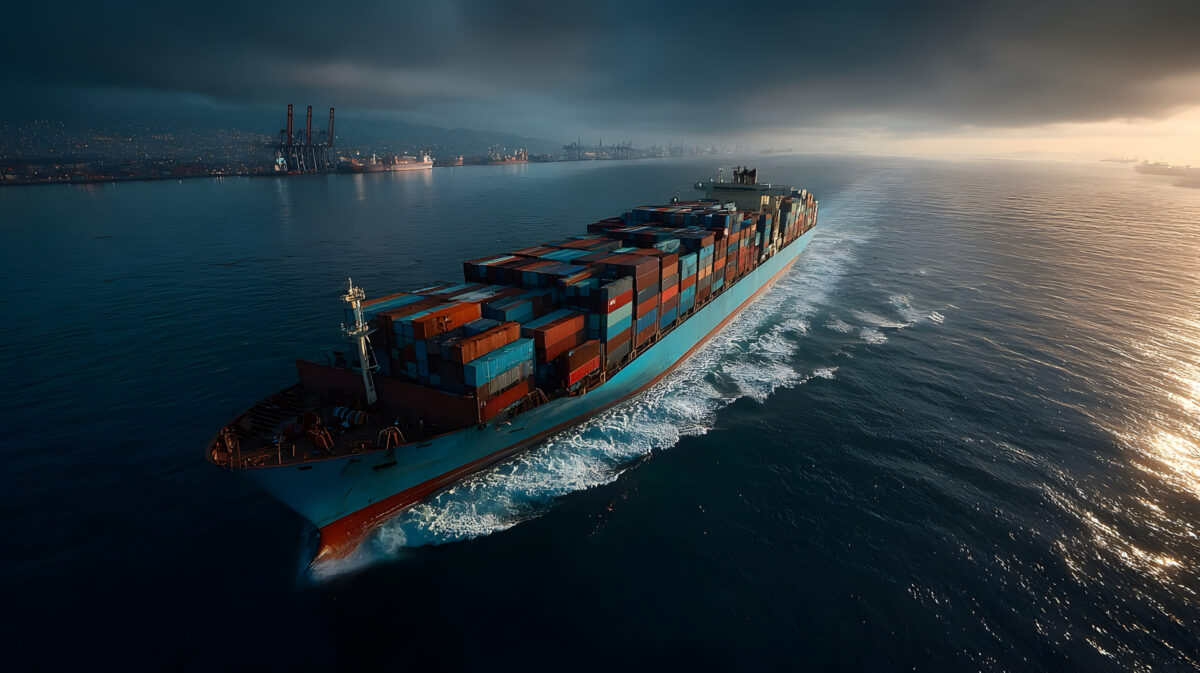
The Strait of Hormuz serves as a lifeline for global oil and gas markets, with approximately 20 million barrels of oil passing through daily, about a quarter of the world’s seaborne oil trade. Any disruption to this key artery would not only send shockwaves through the global energy market but could also trigger inflationary pressure worldwide. With the U.S. and Iran both asserting their claims, the future of this vital trade route hangs in the balance. The question on everyone’s mind is whether international shipping can resume or if Hormuz will become a battlefield for power and influence.
Global Implications of a Closed Hormuz
If Iran decides to enforce its control over Hormuz, global markets would feel the immediate repercussions. Oil prices could skyrocket, driving up costs for everything from transportation to household goods. Countries that rely heavily on energy imports, such as Japan and South Korea, would be hit hardest. Energy-intensive industries would face skyrocketing costs, likely translating into higher prices for consumers worldwide. The ripple effect of Hormuz becoming a war zone could stretch far beyond the Middle East, affecting every corner of the globe.
Will Shipping Companies Risk It?

Despite the U.S. Navy’s heavy military presence, shipping companies remain hesitant to transit through the Strait of Hormuz. The looming risk of attack, combined with the uncertainty surrounding the ceasefire, makes the waterway a dangerous proposition. Commercial shipping companies depend on predictable, safe conditions to maintain operations, and right now, the risk factors are too high. Even if the U.S. manages to escort vessels through safely, the broader shipping industry is unlikely to follow until tensions de-escalate. Insurers, too, are wary of providing coverage in this high-risk environment, further complicating any potential recovery.
Iran’s Strategic Leverage Over Hormuz
Iran has long used its control over the Strait of Hormuz as leverage in political and economic negotiations. The ability to disrupt global oil supplies is a powerful tool, and Tehran has demonstrated its willingness to exercise this control in the past. If the U.S. pushes forward with its maritime operations, it risks igniting further provocations from Iran, which could result in military strikes against U.S. vessels or their allies. Iran’s repeated threats underscore how much the regime values control over this vital waterway, and how willing it is to escalate tensions to maintain that control.
What’s Next
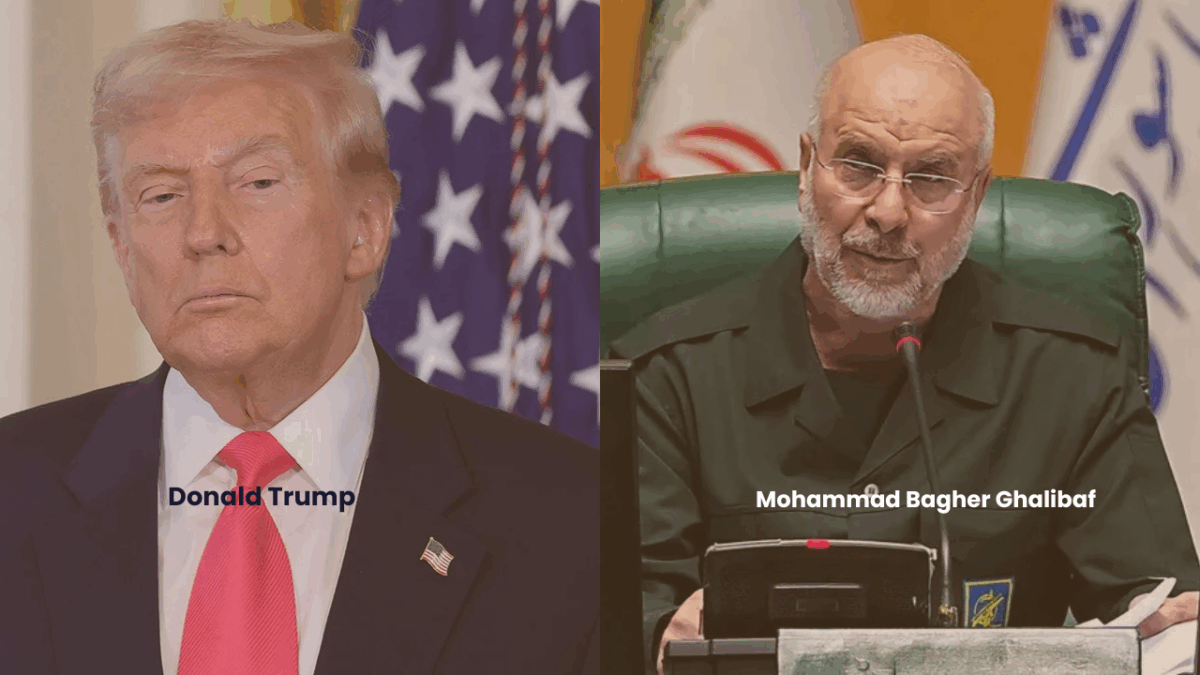
As the U.S. continues to assert its presence in the Strait of Hormuz, both sides are at a precarious crossroads. The ceasefire could hold, or it could collapse entirely in the face of an Iranian missile strike or drone attack. U.S. forces have demonstrated that they are willing to challenge Iran’s dominance over the strait, but whether the operation can truly secure safe passage for commercial ships remains uncertain. If more vessels attempt to pass through, the potential for conflict is high. However, if the passage remains closed, it will signal to the world that Iran holds the upper hand, and the U.S. might have to rethink its approach.
The Road to Diplomacy or War?
The future of the Strait of Hormuz may well depend on the diplomatic path taken over the coming weeks. Both the U.S. and Iran are locked in a high-stakes game of chicken, where any misstep could have catastrophic consequences. If diplomatic efforts fail and the U.S. Navy is forced to take more aggressive actions, the region could be plunged back into open conflict. On the other hand, if both sides reach a negotiated settlement, it could open the door to a more stable and secure shipping route. But given the stakes, one thing is clear: the situation remains far from resolved.
Conclusion
The Strait of Hormuz stands as a stark reminder of how fragile peace can be in an area dominated by power struggles and geopolitical leverage. Whether it’s global oil prices, military tensions, or the fate of shipping lanes, the risks are immense. As the situation unfolds, it will take careful diplomacy and strategic moves from both sides to avoid a catastrophic outcome. One misstep, and the region could plunge into conflict once again, potentially dragging the rest of the world with it.