10 Reasons Why Humans Fear Certain Deaths More Than Others
Death is already frightening, but some deaths feel like they belong in a darker room of the mind. People may accept old age more calmly, yet shudder at the thought of drowning, burning, being trapped, vanishing alone, or dying in front of a crowd.
That difference is not random. The human brain ranks danger by pain, control, surprise, shame, memory, and imagination. Fear researchers have long shown that people often dread risks more when they feel uncontrollable, catastrophic, unknown, or involuntary. Paul Slovic’s classic work on risk perception helped explain why some threats feel larger than statistics alone would suggest.
Some deaths feel more painful in the imagination.
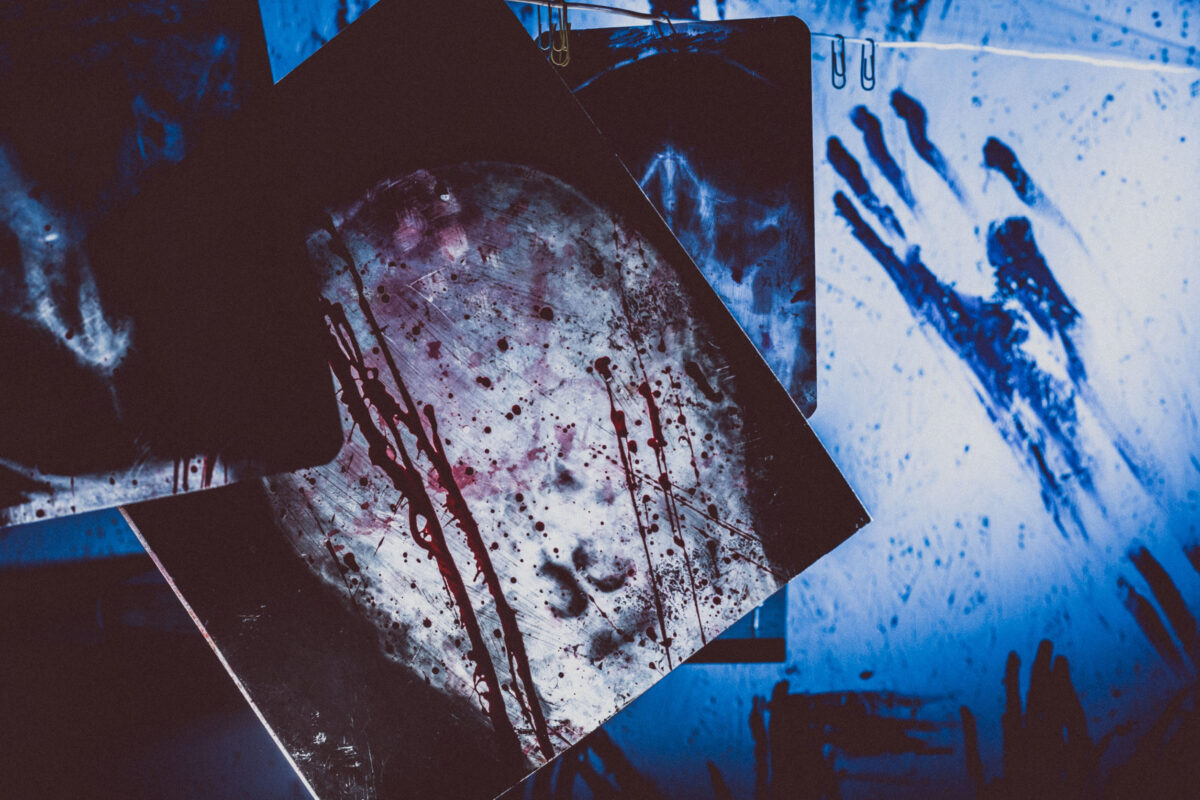
Pain changes the whole picture. Many people fear death, which they imagine as physically unbearable because the mind fills in every blank with panic.
A peaceful death in sleep sounds distant and gentle, but a painful death feels like a fight the body cannot win. The fear grows stronger because most people do not imagine death itself as much as the suffering before it. The body wants to escape pain, so the brain treats painful death as the worst possible trap.
People fear death when they lose control.
Control gives humans emotional balance. Even a dangerous situation feels less terrifying when a person believes they can do something about it.
That is why people may fear plane crashes more than car accidents, even though they often drive without panic. In a plane, a passenger cannot steer, stop, escape, or negotiate with the danger. Deaths that remove choice make the brain feel helpless, and helplessness often magnifies fear.
Slow deaths give the mind too much time to panic.
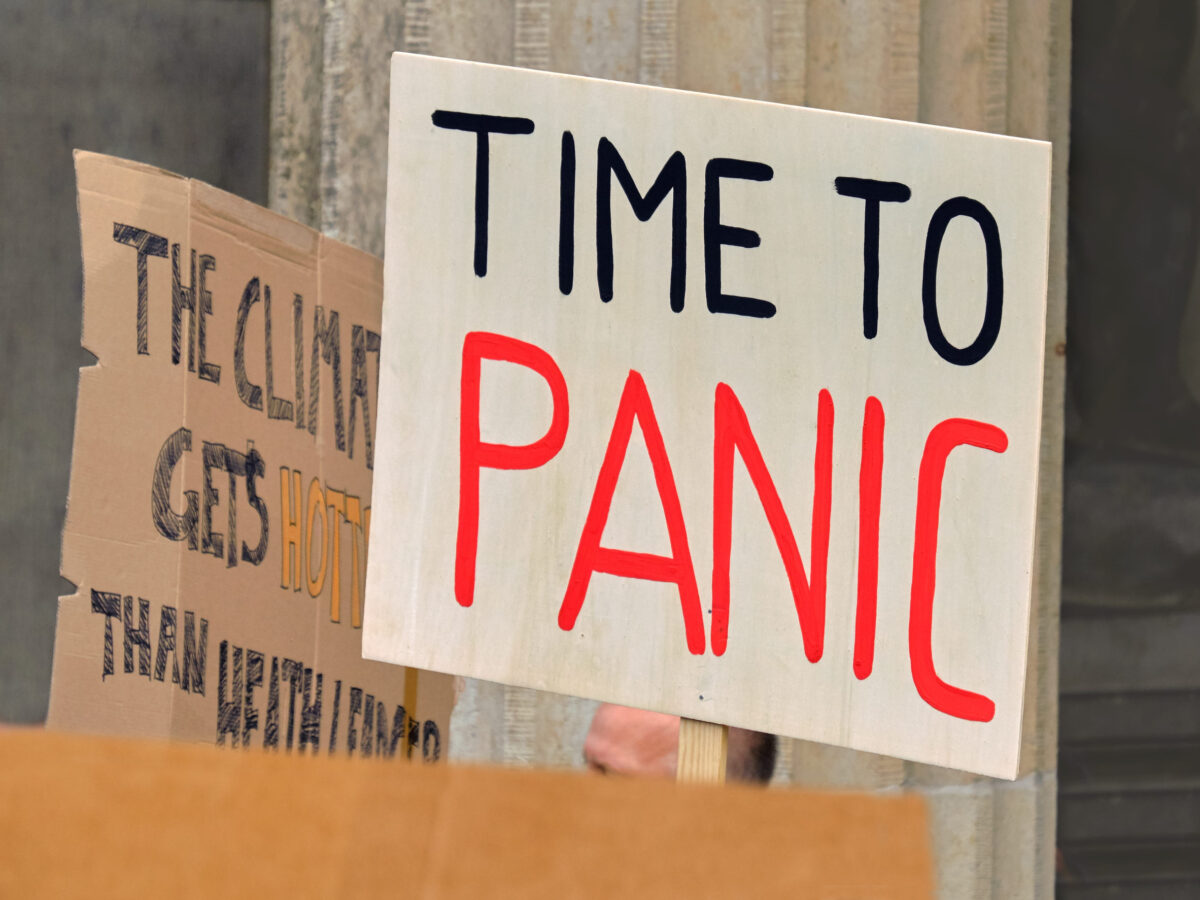
A quick death may sound brutal, but a slow death feels psychologically cruel. The longer the imagined process lasts, the more room the mind has to create dread. People fear the waiting, the awareness, the struggle, and the awful countdown.
A slow death also gives fear time to grow inside the story. The brain does not just picture the final moment; it pictures every second leading up to it.
The unknown makes certain deaths feel monstrous.
Humans fear what they cannot clearly understand. A strange disease, a deep ocean, a dark cave, or outer space can feel more terrifying because the mind cannot map the danger. The unknown invites imagination, and imagination rarely behaves politely.
It adds shadows, silence, pressure, and panic. The National Institute of Mental Health notes that specific phobias can cause severe anxiety even when people know the fear may be irrational.
Some deaths trigger ancient survival fears.
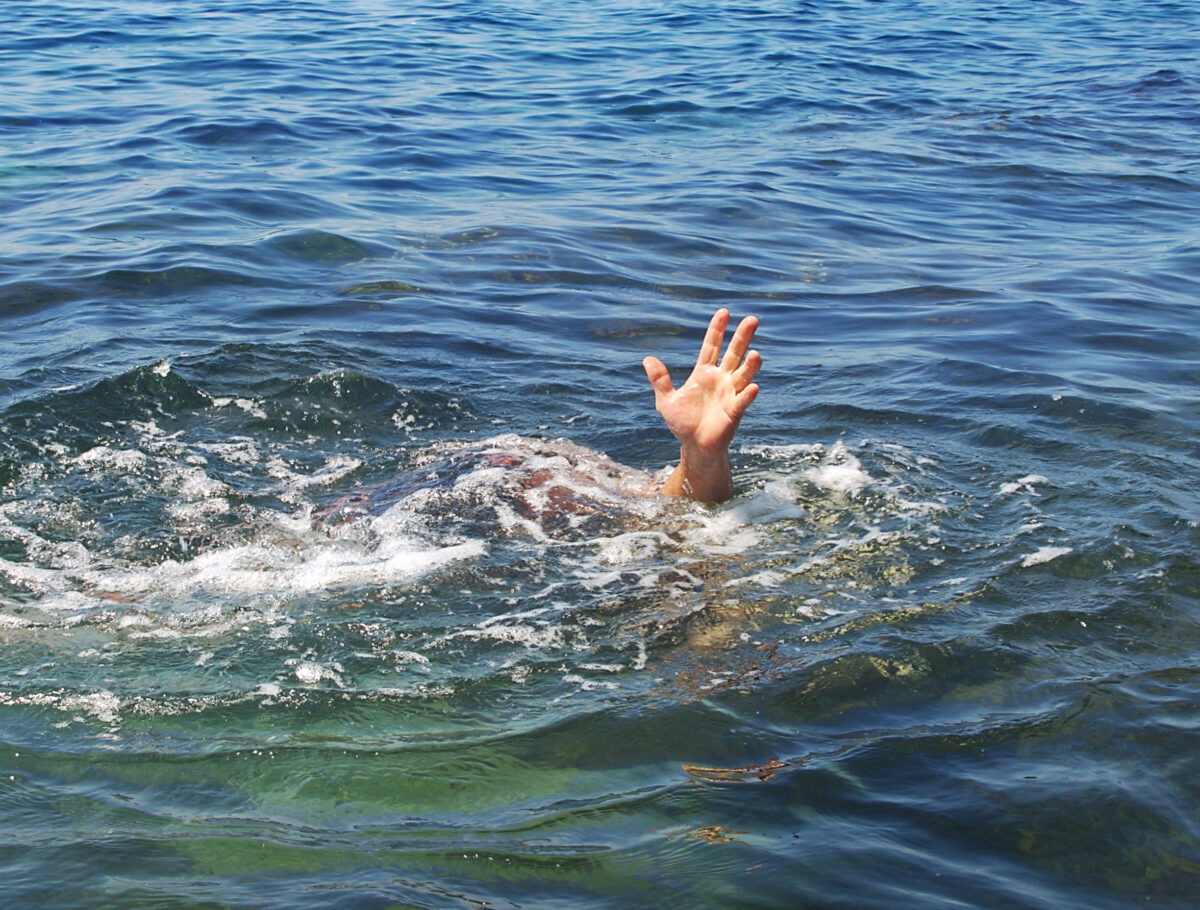
Certain fears feel older than language. Falling, suffocating, drowning, being attacked, and being trapped all touch deep survival alarms. These fears likely connect to basic human needs such as air, safety, movement, and escape.
The body reacts before reason gets a vote. That is why a person can know they are safe in a movie theater and still feel their chest tighten during a drowning scene.
People fear deaths that erase dignity.
Humans do not only fear pain. They also fear humiliation, exposure, and loss of dignity. A public death, a messy death, or a death that leaves loved ones with traumatic memories can feel worse because it threatens identity.
People want their final chapter to feel peaceful, private, or meaningful. When a death feels degrading, the fear becomes social as much as physical. It says, “I do not want to be remembered that way.”
Deaths involving isolation feel especially cruel.
Many people can better handle hardship when someone is nearby. Isolation changes fear because it removes comfort, witness, and connection. Dying alone in a remote place, a locked room, or a disaster zone feels terrifying because humans are deeply social creatures.
Even at the end, people often want a hand to hold, a voice to hear, or proof that they mattered. Isolation makes death feel like disappearance.
The media makes some deaths easier to picture
The brain fears what it can vividly imagine. Movies, news stories, true crime shows, disaster footage, and viral clips can make certain deaths feel close, even when they are rare. A person who has seen dramatic scenes of shark attacks, plane crashes, fires, or kidnappings may store those images like emotional evidence.
The mind then replays them as if they are personal warnings. Fear becomes stronger when it comes with a picture.
Some deaths threaten the people left behind.
Humans often fear death more when it could emotionally destroy their family. A parent may fear dying in a way that leaves children confused, traumatized, or financially unstable. A spouse may fear vanishing without closure.
This is why missing-person cases, sudden accidents, and violent deaths can feel especially unbearable. The fear is not only “What happens to me?” It becomes “What happens to everyone I love after me?”
Death anxiety becomes stronger when life feels unfinished.
Some deaths scare people because they arrive before the story feels complete. People fear dying before apologizing, forgiving, raising children, chasing a dream, or becoming the person they meant to be.
Terror management theory suggests that humans manage death anxiety partly through meaning, identity, culture, and the belief that their lives matter beyond survival. A death that cuts off purpose can feel more frightening because it steals the ending, not just the breath.
Conclusion
Humans do not fear all deaths equally because the mind does not measure death like a calculator. It measures pain, control, mystery, loneliness, dignity, memory, and meaning. Some deaths feel worse because they seem slow, helpless, public, painful, or unfinished.
Others feel less frightening because they suggest peace, closure, or a gentle exit. At the deepest level, people fear certain deaths more because they fear suffering before death, and they fear leaving life without comfort, control, or meaning. That is what makes the subject so powerful. Death may be universal, but the fear around it is deeply personal.