9 Scarcely Hidden Facts About Your Own Personality That Disrupts Profound Peace
Most people do not discover themselves in one dramatic lightning-bolt moment. They notice themselves slowly, usually after one bad argument, one strange silence, one friendship that fades, or one private thought they wish they had not had. That is the uncomfortable beauty of personality. The parts we hide are often the parts that explain us best.
Psychology often describes personality as patterns in how people think, feel, and behave, and hidden traits are the pieces we may tuck away because they feel inconvenient, embarrassing, or unsafe to show. These truths can sting at first. Then, strangely, they can bring peace because naming them removes the mystery.
You Are Not Always as Nice as You Think

One of the hardest hidden facts to accept is that kindness can sometimes be mixed with image management. You may help people because you care, but you may also enjoy being seen as dependable, generous, or morally superior. That does not make you fake. It makes you human. Real peace begins when you stop needing every good deed to prove something about you. Once you admit that your kindness sometimes comes with ego, you can become kinder in a cleaner, quieter way.
Your “Peaceful” Nature May Actually Be Fear
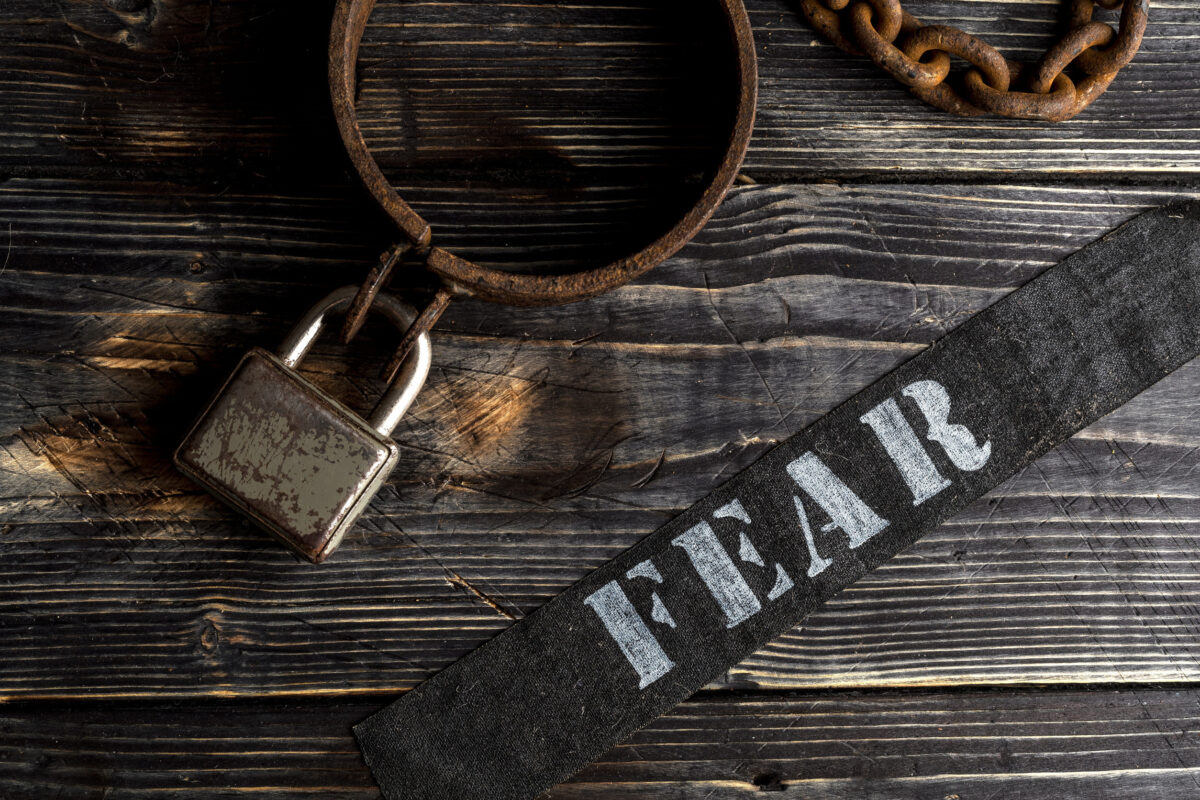
Some people call themselves calm, easygoing, or drama-free when they are really terrified of conflict. They swallow opinions, laugh off disrespect, and avoid hard conversations because confrontation feels too expensive. This hidden trait can appear mature on the outside, but inside, it often breeds resentment. The peaceful part comes when you realize that silence is not always a sign of emotional strength. Sometimes, peace requires the courage to be disliked for telling the truth.
Your Independence May Be a Wall

Being independent can be powerful, but it can also become a polished excuse for not needing anyone. You may say, “I’m fine on my own,” when the deeper truth is, “I do not want to give anyone the chance to disappoint me.” That kind of independence feels safe, but it can also feel lonely. Hidden traits often develop because of past experiences, fear of rejection, or the pressure to protect the version of ourselves that seems acceptable. The peace comes when you realize that needing people does not make you weak.
Your Ambition May Be Running From Insecurity
Ambition looks glamorous when it produces trophies, promotions, applause, and money. Still, some ambition is not born from passion. It is born from the fear of being ordinary, ignored, replaceable, or unloved. You may push yourself hard because rest makes you feel guilty. You may chase achievement because sitting still forces you to meet the insecurity underneath. This truth can hurt, but it can also soften you. Once you know what you are running from, success becomes a choice rather than a panicked response.
Your Anger May Be Grief Wearing Armor

Anger often looks loud, sharp, and powerful, but many people use it to hide sadness. You may snap when you are actually hurt. You may become cold when you are actually disappointed. You may attack first because admitting pain feels too exposed. This is one of the most painful hidden facts because it forces you to look beneath the reaction. Yet it brings peace because grief is easier to heal than rage. Anger keeps you defended. Grief lets you finally tell the truth.
Your Loyalty May Be Fear of Being Left
Loyalty is beautiful when it comes from love, trust, and choice. It becomes dangerous when it comes from panic. Some people stay in friendships, relationships, jobs, and family roles too long because leaving feels like betrayal. They call it loyalty, but deep down, they are afraid of being abandoned, judged, or alone. The peaceful truth is this: leaving what harms you does not make you disloyal. Sometimes, loyalty to yourself is the first honest loyalty you ever practice.
Your Charm May Be a Control Strategy

Charm can be warm, magnetic, and socially useful. It can also become a way to manage how people see you. You may know how to say the perfect thing, read the room, make people laugh, and avoid showing what you really feel. That skill can help you survive socially, but it can also keep people from knowing the real you. Hidden personality traits often include strengths that stay buried or distorted because people fear judgment. Peace arrives when you no longer need to perform every version of yourself perfectly.
Your Perfectionism May Be Self-Punishment
Perfectionism often pretends to be discipline, but it can quietly become cruelty. You may rewrite, recheck, overthink, and delay because nothing feels good enough. You may believe high standards are helping you, when they are actually keeping you anxious and stuck. The worst part is that perfectionism rarely lets you enjoy your own progress. The peaceful shift happens when you stop treating every mistake like evidence against your worth. You can improve without attacking yourself.
Your Real Personality May Be Less Polished Than Your Public One

This may be the most uncomfortable truth of all. The real you may be more jealous, sensitive, needy, impatient, creative, assertive, or strange than the version you present. That does not mean your public self is a lie. It means you are layered. The hidden parts of you are not always ugly. Some are simply unapproved, unpracticed, or waiting for a safer room. When you stop demanding a perfect personality from yourself, you make space for a more honest life.
Conclusion
The worst hidden facts about your personality are not always there to shame you. Many of them are old survival habits, quiet fears, unmet needs, or strengths that they learned to hide. The peace comes when you stop treating self-awareness like a courtroom and start treating it like a mirror. You may not love everything you find there, but you can finally stop fighting shadows. That is where real growth begins.