10 Shocking Ways Belgians Are Turning Against the U.S. While Softening Toward China

Belgium is facing a dramatic shift in public opinion: for the first time, half of its population sees the United States as a bigger threat than China. Once viewed as a steadfast ally, Washington is now drawing skepticism and concern across Europe. Citizens are questioning old assumptions about global powers, weighing past actions against present intentions, and reconsidering who truly represents their interests on the international stage.
This transformation highlights growing anxiety about foreign influence, energy security, and economic pressure. The following ten points reveal why Belgians are recalibrating their worldview and what it could mean for transatlantic and European relations.
Over Half See the U.S. as a Rival

A recent survey shows more than 50% of Belgians now classify the United States as a major adversary. This is a dramatic turnaround from prior polls, where Washington was largely seen as a partner. Shifting trust reflects discontent over U.S. foreign policy, military actions abroad, and the perception that the U.S. prioritizes its own agenda, signaling a fundamental reevaluation of transatlantic alliances.
China Appears Less Threatening
Interestingly, fewer respondents consider China an adversary. Around 44% label Beijing as a rival, and nearly half are neutral. This indicates a nuanced perception: Belgians recognize China’s rising global influence but view its approach as less aggressive than current U.S. policies. The contrast underscores how perception is shaped not just by power, but by behavior and predictability on the world stage.
Recent Global Events Heighten Distrust
U.S. actions in international conflicts, trade disputes, and energy policies have contributed to rising skepticism. Belgians are reacting to perceived unilateral decisions and inconsistencies in Washington’s engagement with allies. Global instability, including rising energy prices and regional tensions, amplifies this distrust, making Americans appear less reliable in Europe’s eyes than they once were.
Strong Support for European Autonomy
The survey also highlights a desire for European strategic independence. Over 80% of respondents favor strengthening the continent’s military and economic self-reliance. This reflects a growing belief that Belgium, and Europe at large, should rely less on external powers, positioning citizens to seek balance and autonomy in international decision-making.
Resistance to Foreign Interference

Nearly 90% of Belgians expressed a need to limit foreign influence in domestic affairs. Many view U.S. policies and interventions as encroaching, raising concerns about sovereignty. This sentiment reflects a growing emphasis on national decision-making and skepticism toward global actors, underscoring how foreign policy perceptions directly shape public attitudes toward traditional allies.
Direct Security Threats Are Considered Low
Despite concern over influence, most Belgians do not believe their country faces immediate military danger. Fear is largely political and economic rather than physical. This distinction shows that skepticism toward the U.S. is driven by governance, diplomacy, and global strategy rather than a belief in imminent conflict, underlining the role of perception over tangible threats.
NATO Support Remains Steady
Belgians are wary of Washington but remain committed to NATO. Roughly 80% support continued membership, viewing the alliance as essential for collective defense rather than a tool for U.S. dominance. This nuance indicates that while opinion of the U.S. is souring, institutional frameworks remain trusted, reflecting a separation between public sentiment and structural alliances.
Political Leaders Echo Public Concern
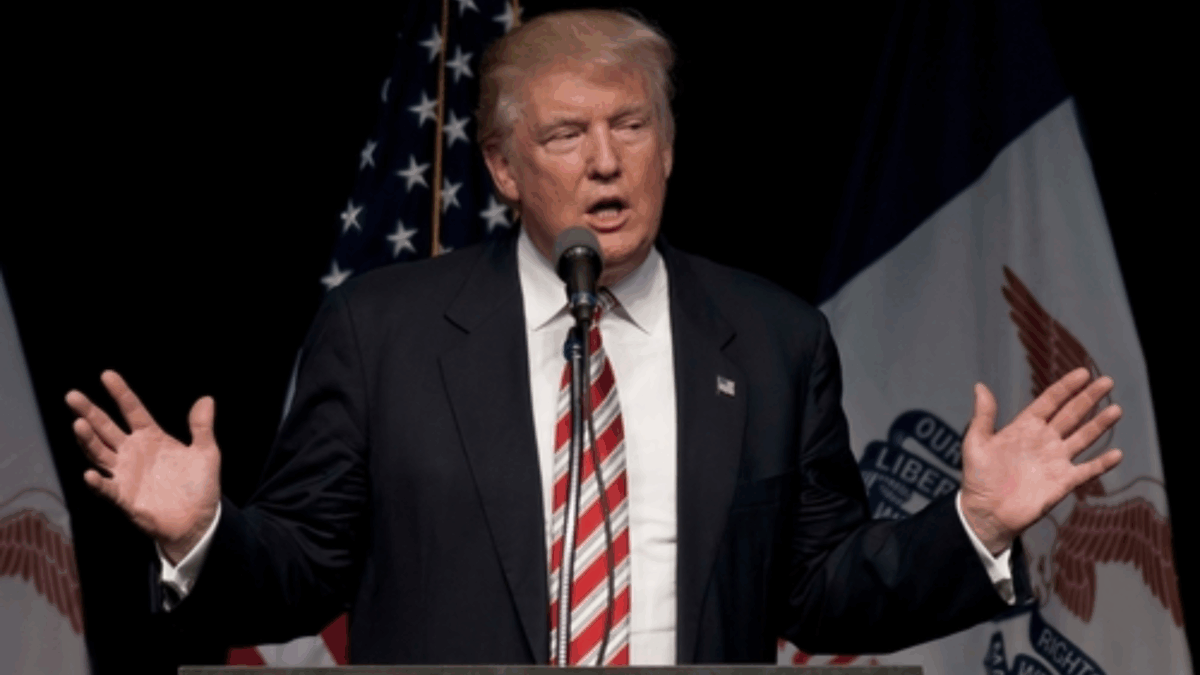
Some Belgian officials have publicly questioned the U.S.’s reliability, reflecting broader societal skepticism. These statements amplify public awareness and signal that doubts are penetrating formal channels. The interplay between public perception and political rhetoric may influence future negotiations, defense policies, and Belgium’s diplomatic posture in Europe and beyond.
Economic Factors Fuel Resentment
Trade tensions, tariffs, and disagreements over energy policy contribute to dissatisfaction. Belgian citizens increasingly associate economic strain with external actors, particularly U.S. policies. This economic friction magnifies negative perceptions, reinforcing the idea that reliance on Washington can create domestic challenges and strengthening the case for regional autonomy and cautious engagement.
Europe’s Shifting Perspective
Belgium’s evolving view mirrors broader European trends: skepticism of U.S. intentions is growing across the continent, while China is seen as a competitor rather than an immediate threat. The shift highlights changing priorities in global politics, from military dependence to strategic autonomy, and emphasizes that perception and influence increasingly dictate international relationships.
Belgium’s Changing Global Lens
Belgians are recalibrating their perspective, weighing actions over historic alliances. Half now see the U.S. as a bigger adversary than China, reflecting concerns about influence, economics, and policy reliability. This transformation signals a broader European trend toward autonomy and strategic skepticism. While Belgium remains a key NATO member, its citizens are clearly questioning old assumptions, emphasizing that perception is now as critical as power in shaping international trust.