9 Countries With Brutally Stressful Education Systems

Education should open doors, but in some countries, it feels more like a battlefield. Students face long study hours, high-stakes exams, and immense pressure from families and society. The result is an environment where learning can become overwhelming and mental health often takes a backseat. Here are nine countries where schooling is intensely stressful, shaping childhoods with high expectations and constant competition.
South Korea

South Korea’s education system is built around one pivotal exam: the College Scholastic Ability Test. Students often study over 12 hours a day, attending regular school followed by evening tutoring sessions. Performance on this single test can heavily influence university admission and career prospects. Families and peers push for top results, creating an environment where academic success is seen as essential, and adolescence becomes a relentless cycle of study.
China
In China, the Gaokao exam dominates the educational experience. Held once a year, it determines access to universities and can define a student’s future. Years of preparation involve long school days, intensive tutoring, and high expectations. For many students, every decision revolves around maximizing performance for this single, make-or-break exam, which produces extreme pressure and an intense culture of academic competition.
Singapore
Singapore combines high academic standards with rigorous assessment. Students take national exams like the PSLE at the end of primary school, which track them into future academic pathways. From a young age, learners face frequent testing and continuous evaluation. Parents and schools encourage mastery across multiple subjects, creating a culture where excellence is expected, and stress is a daily companion for most students.
India

India’s large student population faces a highly competitive educational environment. Exams for engineering, medical, and other prestigious programs attract millions of candidates for a very limited number of seats. Many students attend additional coaching alongside regular school, spending long hours preparing for exams. The pressure is magnified by family expectations, and students often experience stress from both academic and social competition.
Japan
Japan’s education system emphasizes discipline and consistency. Students often attend cram schools, or juku, after regular classes. Entrance exams for top schools and universities are extremely competitive, and students are expected to maintain high performance at all times. The social emphasis on achievement and conformity adds psychological pressure, making the schooling experience both structured and intensely demanding.
Finland

Finland is known for its relaxed approach to daily schooling, but stress exists at key transition points. The matriculation examination at the end of upper secondary school carries significant weight, influencing university admission. While daily academic life is less intense, the concentrated pressure during these exams can cause anxiety and stress, showing that even systems praised for balance are not completely free from pressure.
Taiwan
Taiwan’s students face a series of milestone tests that culminate in the General Scholastic Ability Test. Success across subjects like math, science, and language is critical for university entry. To maintain high scores, many students attend supplemental classes, often leaving little free time. The accumulation of continuous assessments, combined with societal expectations, makes Taiwan’s education system highly demanding.
United States
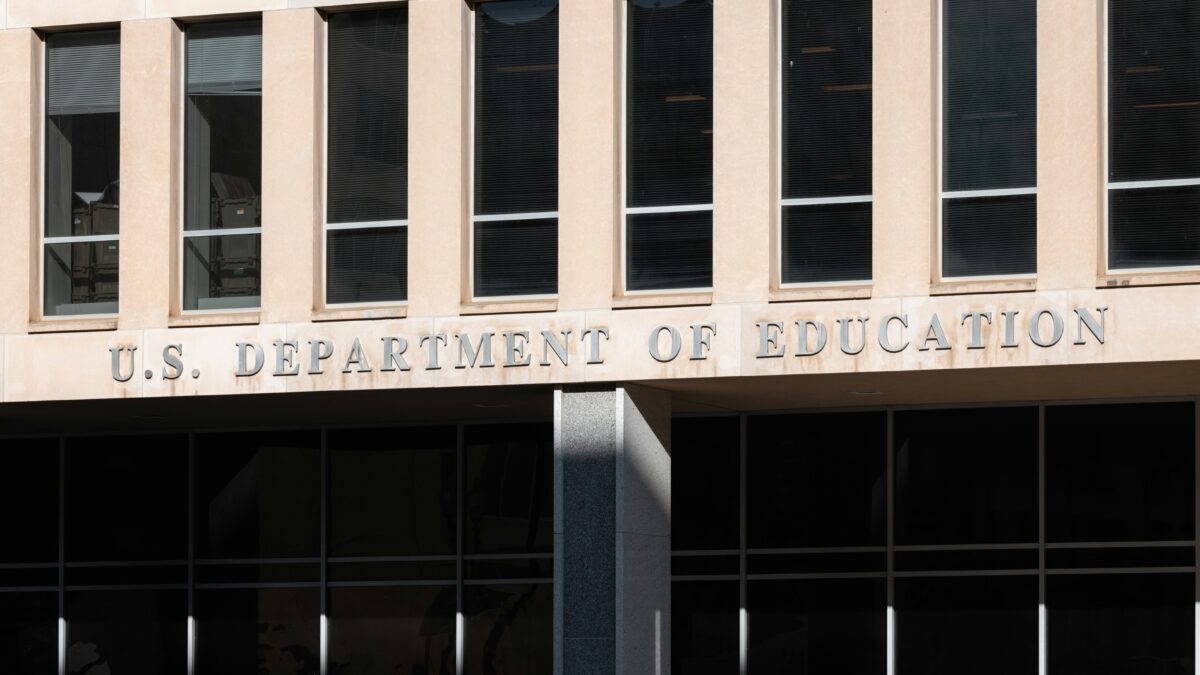
The U.S. education system applies pressure differently. Instead of a single decisive exam, students juggle multiple standardized tests, such as the SAT and ACT, maintain high GPAs, and participate in extracurricular activities to build competitive college applications. The focus on creating well-rounded applicants, combined with rising tuition and fierce competition, turns the pursuit of higher education into a stressful, multi-year endeavor for many students.
Hong Kong
Hong Kong emphasizes early academic tracking and frequent high-stakes exams. Students often attend after-school tutoring to remain competitive, and educational progression is closely tied to exam performance. The pressure starts in primary school and continues through secondary education, where performance dictates access to prestigious universities. This continuous cycle of evaluation and competition makes schooling highly stressful.
Across the globe, these education systems show that rigorous schooling can come at a steep emotional cost. While strong academics can develop knowledge and skills, relentless stress and intense competition often overshadow learning. Students face challenges that affect mental health, social life, and personal growth, raising the question of how education can balance excellence with well-being. Stress should not define a student’s journey, yet in these countries, it often does.