8 Foods to Avoid if You Are in Menopause
Menopause is a natural phase in every woman’s life, marking the end of menstruation and the decline in reproductive hormones like estrogen. While it’s a time for reflection and transformation, the physical changes associated with menopause can be quite challenging. Hot flashes, weight gain, mood swings, and sleep disturbances are just some of the symptoms that women often experience. But did you know that your diet can play a significant role in managing these symptoms?
Certain foods, while delicious, can worsen menopause symptoms by influencing hormone levels, triggering inflammation, and interfering with your body’s natural balance. If you’re in menopause, it’s crucial to be mindful of what you eat to keep your body healthy, balanced, and energized. So, let’s dive into the eight foods you should avoid during this pivotal phase in your life.
Caffeine
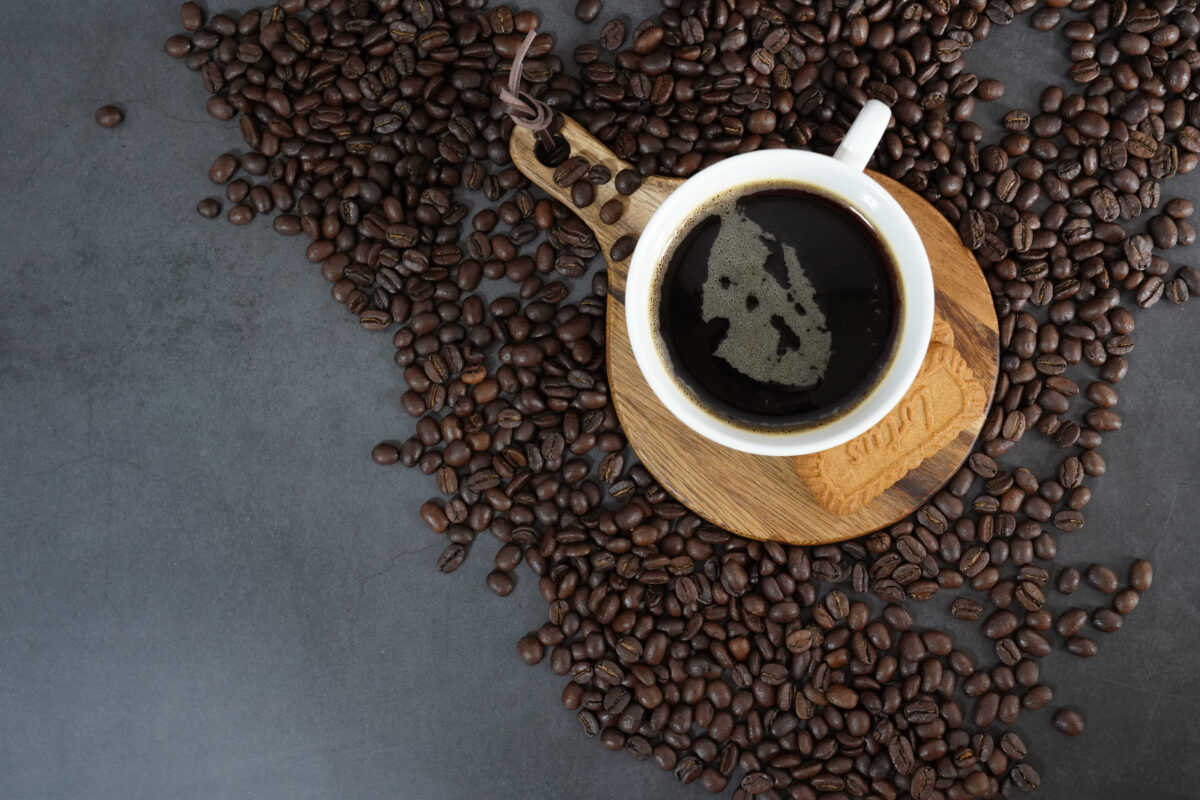
Many women rely on caffeine to get through the day, especially in coffee, tea, or energy drinks. However, if you’re experiencing menopause, caffeine might be doing more harm than good. Caffeine is a stimulant that can disrupt your sleep, leading to restless nights. Since sleep disturbances are already a common issue during menopause, drinking caffeine can exacerbate this problem.
Furthermore, caffeine has been linked to hot flashes, one of the hallmark symptoms of menopause. This is because caffeine can increase adrenaline levels, which in turn can trigger hot flashes. If you find yourself experiencing frequent night sweats or a racing heart, it might be time to reduce your caffeine intake or swap your usual cup of joe for a caffeine-free alternative.
Alcohol
While a glass of wine might help you unwind after a long day, alcohol can wreak havoc on your body during menopause. Alcohol is known to interfere with your body’s ability to regulate temperature, making hot flashes and night sweats more intense. Additionally, alcohol can disrupt sleep cycles, leading to restless nights and even worsening mood swings.
Moreover, alcohol can interfere with the absorption of essential nutrients, such as calcium and magnesium, which are critical during menopause for maintaining bone health. As your estrogen levels decline, your bones may become more fragile, so drinking alcohol regularly can further increase the risk of osteoporosis. If you’re experiencing menopause, it’s a good idea to cut back on alcohol consumption to support your overall health and well-being.
Processed Foods

Processed foods are often packed with unhealthy fats, refined sugars, and additives that can contribute to weight gain and increased inflammation. During menopause, hormonal changes already put women at an increased risk of gaining weight, especially around the abdomen. Eating processed foods,such as chips, fast food, sugary snacks, and pre-packaged meals,can compound this issue.
These foods are typically low in nutrients and high in empty calories, so they won’t provide your body with the energy it needs to stay balanced and healthy. Plus, processed foods can exacerbate menopause symptoms like bloating, mood swings, and fatigue. Instead of reaching for processed snacks, try opting for whole foods such as fresh fruits, vegetables, lean proteins, and healthy fats.
Refined Sugar
Refined sugar is a major culprit in many modern diets, and it can have particularly detrimental effects during menopause. High sugar intake leads to insulin spikes, which can exacerbate weight gain and inflammation. Since weight gain is already a concern during menopause, it’s important to keep your sugar intake in check.
In addition to contributing to weight gain, sugar can also cause blood sugar imbalances, which may worsen mood swings and energy levels. As your hormones fluctuate during menopause, your body becomes more sensitive to insulin and blood sugar fluctuations. Eating foods rich in refined sugar, such as candy, cookies, and sugary cereals, can lead to sharp energy crashes, irritability, and even increased anxiety. Instead, satisfy your sweet tooth with fruits or small amounts of natural sweeteners like honey or stevia.
Dairy Products

Dairy products, particularly full-fat varieties, can trigger inflammation and worsen symptoms like joint pain, bloating, and gas. Menopause is a time when joint health can start to deteriorate due to the decline in estrogen levels, and consuming dairy can exacerbate this inflammation. Some women may even become more lactose intolerant as they age, making it harder to digest milk and other dairy products.
While dairy is a good source of calcium, which is essential for bone health during menopause, there are alternative ways to get this nutrient without the discomfort. Consider switching to plant-based options like almond, soy, or oat milk, which are often fortified with calcium and other essential vitamins. Additionally, leafy greens, beans, and fortified plant-based products can provide the calcium your body needs.
Spicy Foods
Spicy foods are known to trigger hot flashes and night sweats in some women, which can be particularly frustrating when you’re already experiencing these menopause symptoms. The capsaicin in chili peppers and other hot spices can raise your body temperature, making you feel warmer than usual. For women who are prone to hot flashes, eating spicy foods can trigger an uncomfortable cycle of sweating and discomfort.
If you’re already experiencing the heat from hot flashes, the last thing you need is to make things worse with spicy foods. Instead, opt for mild seasonings like herbs and garlic to flavor your meals without triggering those unwanted temperature spikes.
Soy-Based Products
While soy has long been considered a health food due to its plant-based protein and potential heart health benefits, it can be problematic for some women going through menopause. Soy contains phytoestrogens, plant compounds that mimic estrogen in the body. While phytoestrogens may help balance estrogen levels in some women, they can also interfere with hormone regulation in others.
In particular, women who are sensitive to estrogen or have a history of hormone-related cancers should be cautious about consuming large amounts of soy. Soy-based products such as tofu, soy milk, and edamame might contribute to an imbalance in estrogen levels, leading to worsened symptoms like bloating, mood swings, or even an increased risk of certain cancers. If you suspect soy is causing issues, it’s best to consult your healthcare provider for personalized advice.
Fried Foods
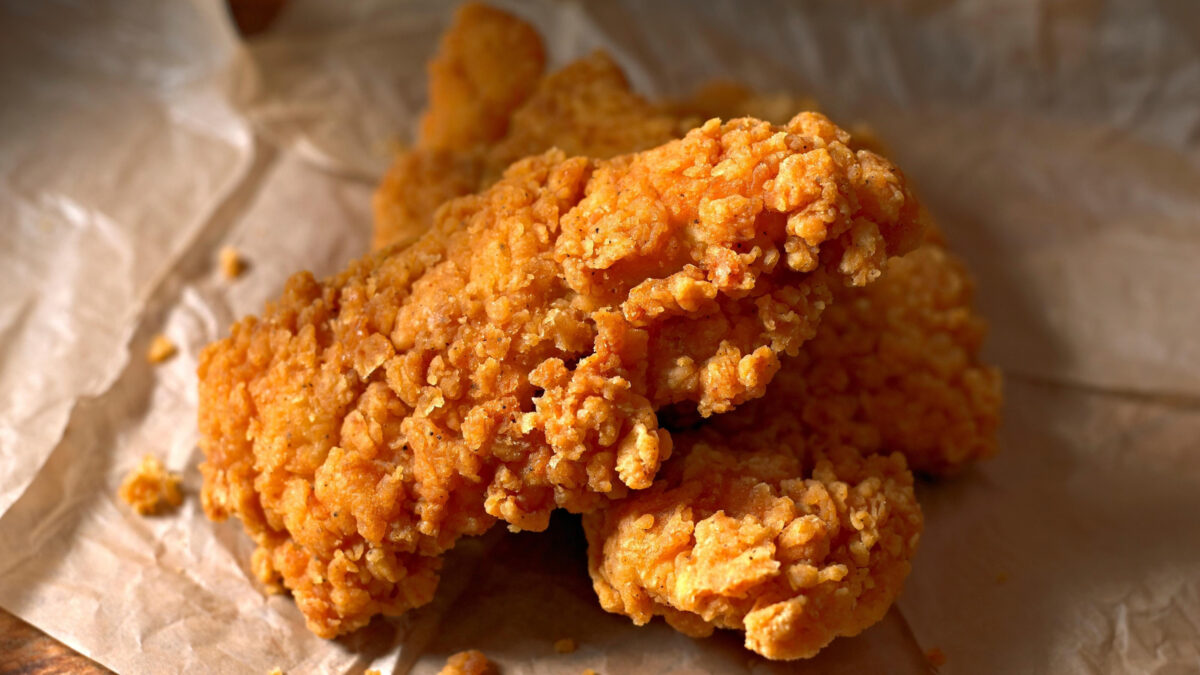
Fried foods are high in unhealthy fats and often heavy on the stomach, making them harder to digest. During menopause, your metabolism may slow down, and consuming greasy, fried foods can make weight gain even more of a concern. These foods can also exacerbate heartburn and indigestion, which are common complaints during menopause.
Additionally, fried foods contain trans fats, which contribute to inflammation and increase the risk of cardiovascular disease. Since heart health is already a concern during menopause,due to the decline in estrogen levels, it’s important to reduce your intake of fried foods. Opt instead for grilled, baked, or steamed foods to promote a healthier lifestyle and manage your menopause symptoms more effectively.
Conclusion
Navigating menopause can be a challenging experience, but your diet can play a pivotal role in managing its symptoms. By avoiding foods that trigger inflammation, disrupt sleep, or contribute to weight gain, you can help reduce many of the common discomforts associated with this phase of life. From cutting back on caffeine and alcohol to reducing processed foods and fried meals, the right dietary choices can make a world of difference in how you feel.
Remember, menopause is a natural transition, and while there may be some bumps along the way, taking control of your diet can help you feel more balanced, energized, and in tune with your body. If you’re uncertain about how specific foods affect you, don’t hesitate to consult with a healthcare professional or nutritionist to tailor a diet that suits your unique needs. Empower yourself by making informed decisions about what goes into your body, and embrace this next chapter of life with confidence and vitality.