7 Heart-Healthy Diets for People with Heart Disease
Managing heart disease involves more than just medications and medical interventions; your diet plays a pivotal role in maintaining heart health and improving overall well-being.
A heart-healthy diet can help manage risk factors such as high cholesterol, high blood pressure, and inflammation, which are critical in preventing further complications. If you’re living with heart disease or want to lower your risk, here are seven diets that can help keep your heart in top shape.
The Mediterranean Diet

Often hailed as one of the healthiest diets, the Mediterranean diet emphasizes fresh fruits, vegetables, whole grains, lean proteins, and healthy fats such as olive oil.
It has been linked to a reduced risk of heart disease, as it promotes healthy cholesterol levels and reduces inflammation. Key components include:
- Olive oil is the main source of fat.
- A variety of fruits, vegetables, and legumes
- Moderate amounts of fish and poultry
- Low intake of red meat and processed foods
By embracing this diet, individuals with heart disease can improve their cardiovascular health while enjoying delicious, satisfying meals.
The DASH Diet

The DASH diet was specifically designed to combat high blood pressure, a major risk factor for heart disease.
This diet emphasizes foods that are rich in potassium, calcium, magnesium, and fiber—nutrients that help lower blood pressure. Key guidelines include:
- Plenty of fruits, vegetables, and low-fat dairy
- Whole grains and lean proteins like chicken and fish
- Limiting sodium intake to under 2,300 milligrams a day (or 1,500 milligrams for those with heart disease)
- Avoiding processed and high-sodium foods
This diet isn’t just effective for hypertension but also helps reduce cholesterol and promote overall heart health.
The Plant-Based Diet
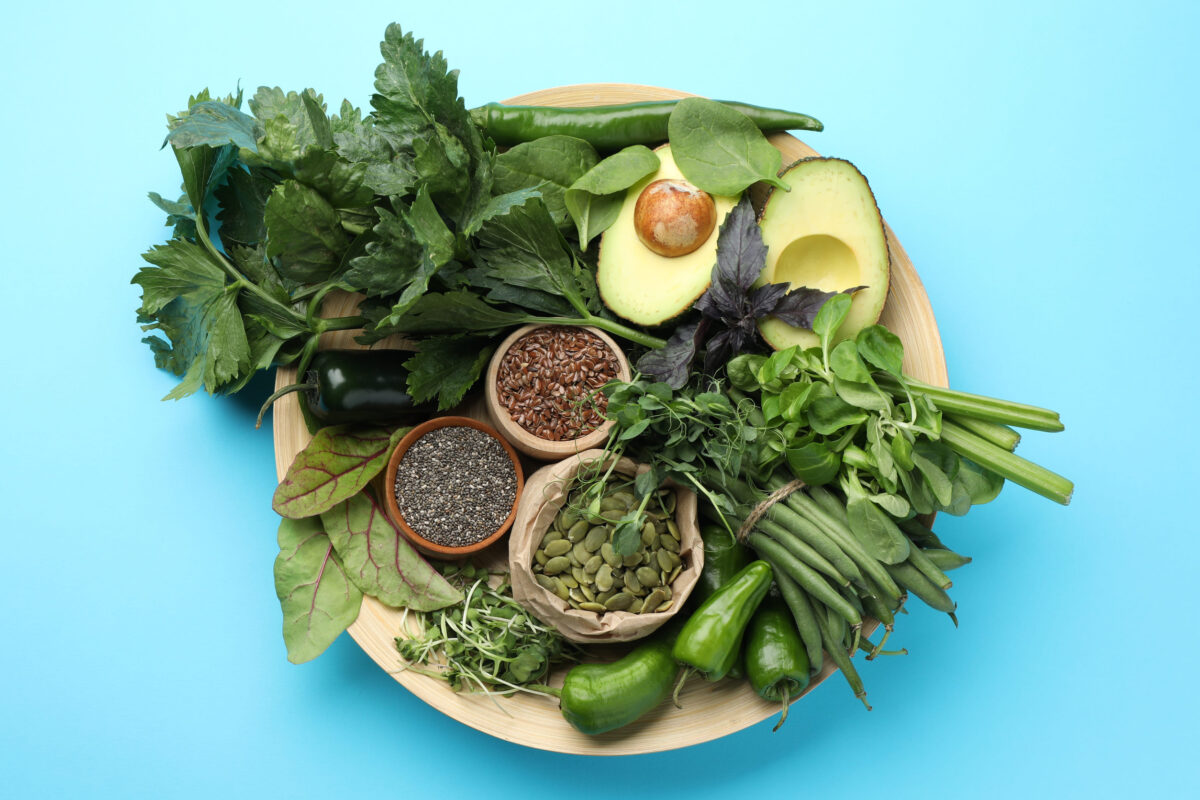
For those with heart disease, a plant-based diet offers a powerful way to improve heart health. By focusing on plant-derived foods and eliminating or significantly reducing animal products, this diet can lower cholesterol levels, reduce blood pressure, and improve blood vessel function.
Components of a plant-based diet include:
- Whole grains like quinoa, barley, and brown rice
- Legumes such as beans, lentils, and chickpeas
- A variety of fruits and vegetables
- Nuts and seeds for healthy fats
A plant-based diet is high in antioxidants and fiber, both of which help reduce inflammation and protect the heart.
The American Heart Association (AHA) Heart-Healthy Diet
The AHA’s heart-healthy diet emphasizes a balanced intake of nutrient-dense foods, with particular focus on reducing trans fats, saturated fats, and sodium.
This diet aims to improve overall heart function and reduce the risk of heart disease. Key aspects include:
- Eating a variety of fruits and vegetables
- Choosing whole grains over refined grains
- Including lean proteins like fish, poultry, and plant-based options such as tofu and beans
- Limiting saturated fats, sugars, and salt
This diet helps control risk factors such as cholesterol, blood pressure, and weight, which are critical for heart disease management.
The Ornish Diet
Developed by Dr. Dean Ornish, this plant-based diet is focused on reversing heart disease and improving overall heart health. It’s a low-fat, high-fiber diet that emphasizes whole foods and minimal processed ingredients.
Key principles of the Ornish diet include:
- Consuming predominantly fruits, vegetables, whole grains, and legumes
- Avoiding all forms of animal fats and oils
- Limiting the intake of refined carbohydrates and sugars
- Focusing on the emotional well-being and stress management practices as part of the overall approach
While it can be restrictive, research shows that the Ornish diet can effectively lower cholesterol levels and even reverse heart disease.
The Flexitarian Diet
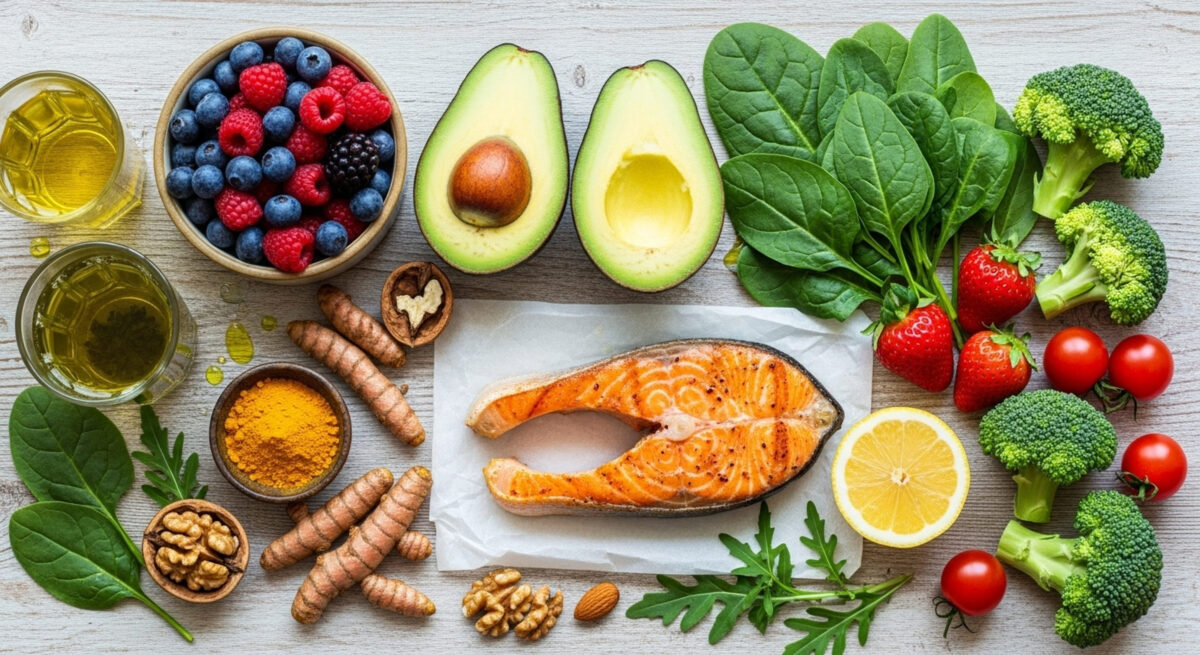
For those who want the health benefits of a plant-based diet but still enjoy occasional meat, the flexitarian diet offers a balanced approach.
It emphasizes plant-based foods while allowing for occasional meat and animal products in moderation. Key features of the flexitarian diet include:
- Primarily plant-based meals, with plenty of vegetables, legumes, and whole grains.
- Occasional inclusion of lean meats, fish, and dairy
- Emphasis on nutrient-dense foods and minimizing processed options
The flexibility of this diet makes it easier for people with heart disease to adopt, offering a good balance between plant-based nutrition and meat consumption.
The Anti-Inflammatory Diet
Chronic inflammation is often linked to the development of heart disease.
The anti-inflammatory diet is designed to reduce inflammation in the body, thereby reducing the risk of heart disease and improving overall health. Key foods that are part of this diet include:
- Fatty fish like salmon, sardines, and mackerel, which are rich in omega-3 fatty acids
- Berries, leafy greens, and other antioxidant-rich foods
- Healthy fats like olive oil and avocado
- Whole grains, nuts, and seeds
Incorporating these anti-inflammatory foods into your diet can help lower blood pressure, reduce cholesterol, and improve blood vessel function, making it a beneficial diet for those with heart disease.
Conclusion
Heart disease doesn’t have to control your life, and the right diet can play a transformative role in managing and even reversing its effects. Whether you choose the Mediterranean diet, DASH diet, or another heart-healthy approach, the key is consistency. By focusing on whole, nutrient-dense foods, reducing processed items, and making mindful choices, you can improve your heart health and reduce the risk of future heart-related issues.
Remember, diet alone is not a cure-all. Combining a heart-healthy diet with regular physical activity, stress management, and routine checkups will give you the best chance at living a long, healthy life. If you have heart disease, consult with your healthcare provider to develop a personalized plan that works for you. Ultimately, small dietary changes can make a world of difference in supporting your heart and your overall well-being.