8 Hard Truths Behind America’s Failing Public Transport System
Public transportation in the United States is widely acknowledged as underperforming, unreliable, and far below the standards of many European or Asian cities.
The discussion around America’s public transit isn’t just about slow buses or antiquated subway cars; it is about decades of policy decisions, cultural choices, and structural challenges that have shaped an inefficient system. Here are eight critical, uncomfortable truths behind the crisis in American public transport and why meaningful change remains so elusive.
Chronic Underinvestment Has Created a Massive Repair Backlog
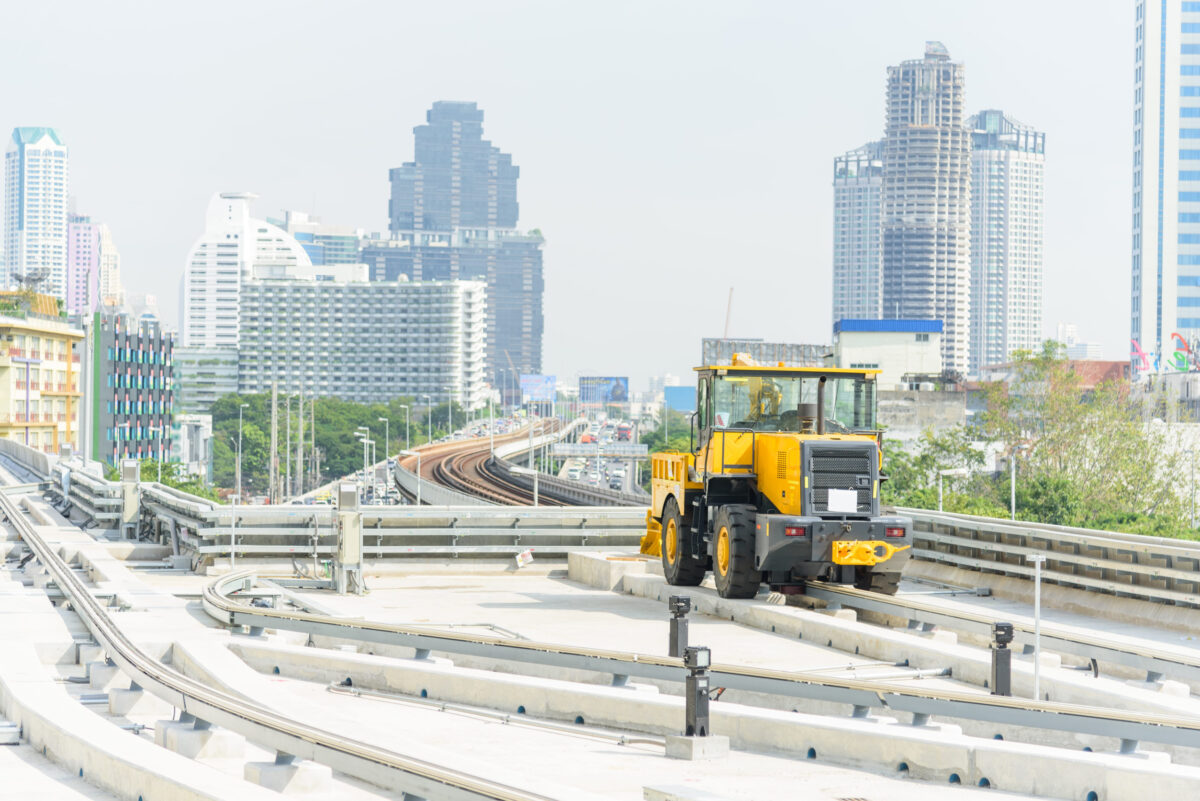
America’s transit infrastructure is in desperate need of repair and modernization. According to federal estimates, the nation faces a backlog of roughly $140 billion in needed transit infrastructure repairs, upgrades, and improvements just to maintain basic safety and operations. These are not future plans; they’re deferred repairs on existing systems that keep trains and buses running. The backlog has grown significantly over the past decade, meaning many systems operate with aging vehicles, outdated track systems, and crumbling facilities.
This underfunding becomes self‑reinforcing: poor service drives down ridership, which weakens the political case for more funding, which, in turn, further degrades service.
Public Transit Faces Constant Funding Shortfalls
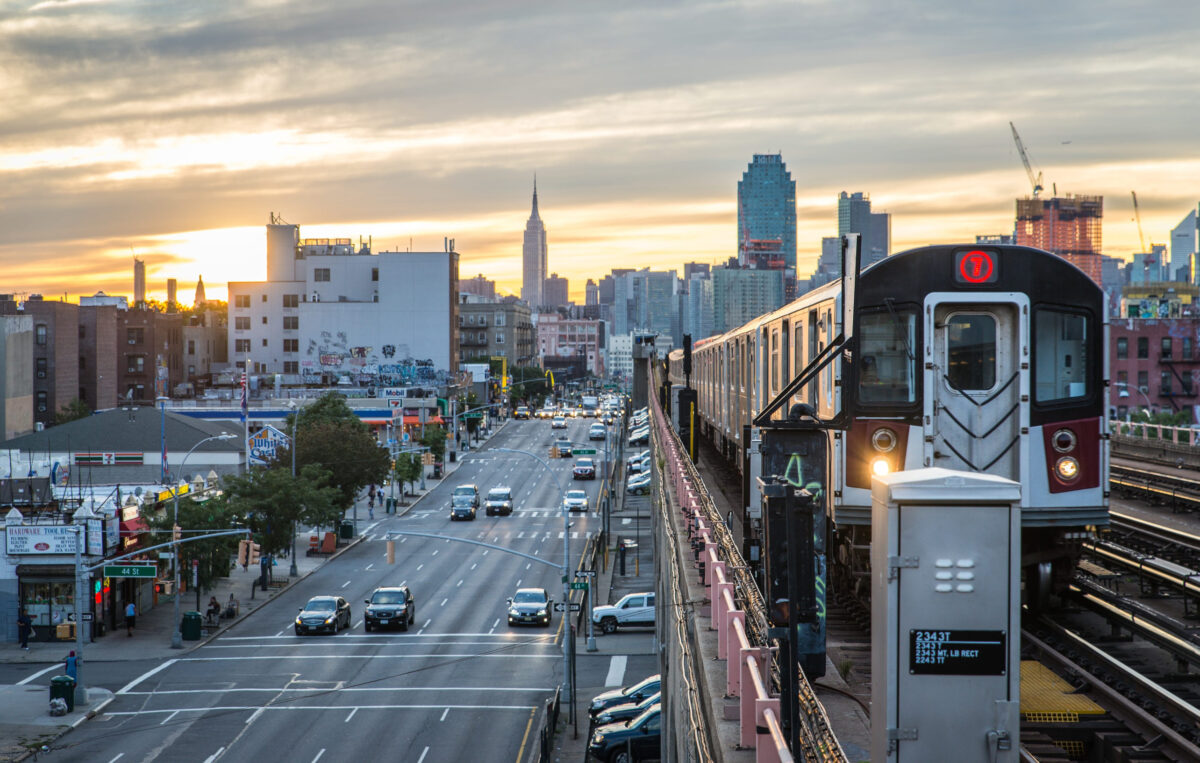
Public transit agencies across the U.S. are literally on the brink of collapse because funding that once buoyed them during the pandemic has dried up, and they have been unable to recover revenues. Shortfalls at the federal, state, and local levels are forcing service cuts or fare increases, directly undermining ridership.
Where other nations often treat transit as a core utility of urban life, in the U.S., it remains vulnerable to budgetary whims, competing government priorities, and political calculus.
Car Culture and Urban Sprawl Have Starved Transit of Demand
American cities are overwhelmingly designed around the private automobile. The post‑World War II era ushered in a cultural and physical transformation , government-funded highways, subsidized suburbs, and zoning restrictions that favored single‑family homes. These patterns made car ownership the norm and public transit an afterthought.
Lower population density and sprawled land use make efficient public transport economically difficult: transit thrives where many people live close together, but most American metropolitan areas simply don’t meet that threshold.
Fragmentation and Lack of Coordination
Unlike in many successful global transit systems, where one agency manages regional networks, the U.S. often has dozens, or even hundreds, of overlapping authorities handling segments of transportation. In places like the San Francisco Bay Area, multiple agencies must coordinate on a single project, leading to administrative gridlock and ballooning costs.
This fragmentation means riders routinely face inconsistent schedules, multiple fare systems, and disjointed routes , making transit less attractive even where services technically exist.
Ridership Has Been in Long‑Term Decline
Public transit ridership in the U.S. has been on a secular downtrend long before the pandemic. While some might expect ridership to peak with population, transit’s share of commuting trips has fallen sharply as Americans opted for personal vehicles and, more recently, ride‑hailing services.
Once patronage declines, pitch‑in funding drops, leading to service reductions that further suppress ridership , a vicious cycle that has crippled public transport in many cities.
Political Will to Expand Service Has Been Weak

There is broad rhetoric about better transit, but actual political commitment , particularly sustained investment, has been inconsistent at best. Public transit projects require long‑term, multilevel government coordination and money; yet planners frequently encounter local resistance based on cost concerns, skepticism about government efficacy, or even fears that new transit will change neighborhood character.
Without cohesive leadership and stable resources earmarked for transit, even well‑designed projects stall or never get off the ground.
Transit Is Treated as Welfare Rather Than Infrastructure
Public transportation in the U.S. carries a stigma: rather than being seen as a core urban utility, it is too often framed as a service for those who cannot afford a car. This perception fundamentally undermines public support for the funding and integration necessary to make transit efficient and attractive to all riders. Critics argue that this welfare framing traps transit in a paradox where low fares are politically desirable but financially unsustainable, forcing agencies to slash service quality.
In contrast, other nations frame transit as essential, alongside roads and electricity, leading to broader public investment and higher service standards.
Fear and Public Perception Further Suppress Use
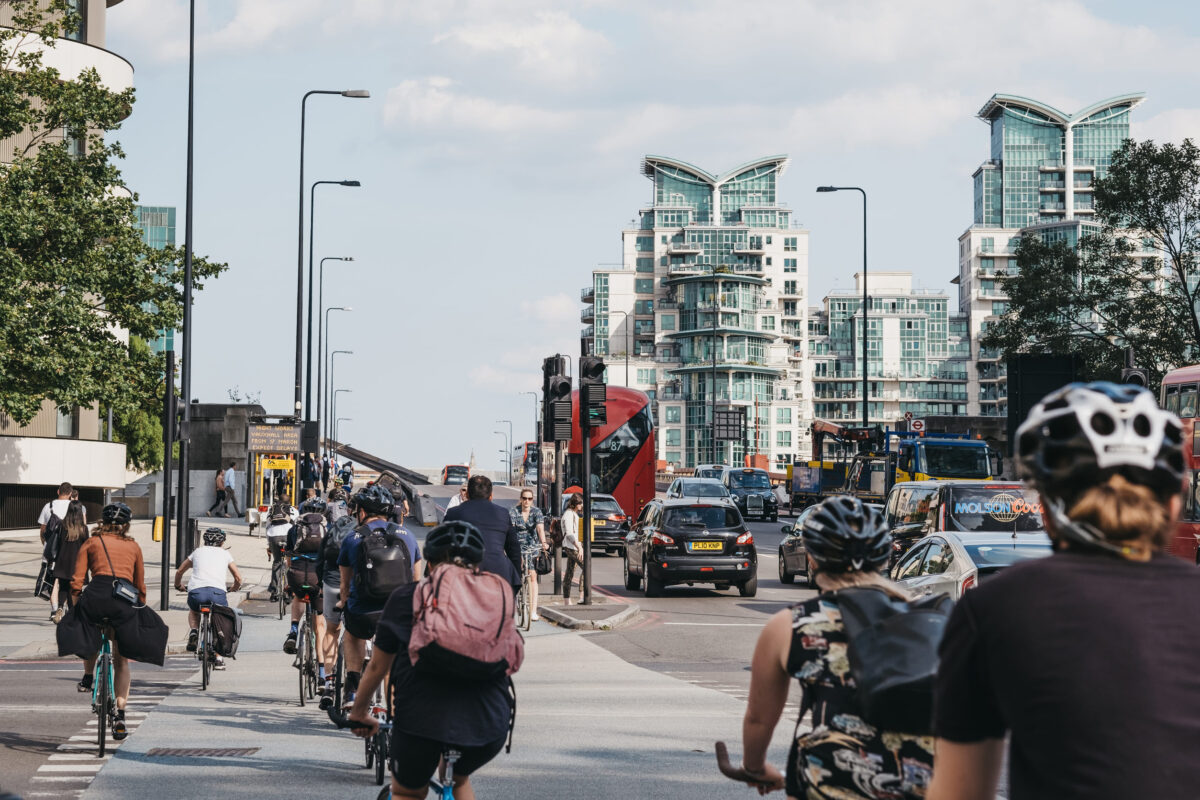
In addition to structural and funding issues, public perception , especially regarding safety, cleanliness, and convenience, deters many riders. Reports of crime or disorder on buses and trains (whether proportionally accurate or not) contribute to an image of transit that many see as less safe or reliable than driving. While this factor is complex and layered with social context, it plays a real role in discouraging broader ridership.
Perception matters: if commuters believe that transit options are inconvenient, unsafe, or slow, they will opt for private vehicles even when transit could serve their needs.
Conclusion
America’s public transport crisis isn’t the product of a single failure; it is the cumulative result of decades of policy, culture, and economic decisions that prioritized automobiles, decentralized governance, and short‑term budget priorities over integrated, well‑funded transit networks. The consequences of these choices manifest in aging infrastructure, fragmented systems, declining ridership, and a transit culture that many Americans never fully embraced.
Fixing this problem will require more than incremental funding boosts; it demands a shift in how transit is perceived and governed. It calls for sustained investment, strategic planning that accounts for land use and population density, and political leadership willing to treat transit as essential infrastructure rather than optional welfare. Until these shifts occur, the U.S. will continue to lag behind its global peers, and millions will remain beholden to inefficient, frustrating systems that fail to meet the mobility needs of modern urban life.
The truth is stark: rebuilding America’s public transport will not happen by accident. It will require purposeful investment, visionary policy, and a consensus that mobility is a right, not a byproduct of car ownership.
If you’d like, I can reformulate this into a more narrative essay style or add data charts to support each point.