Trump’s Greenland Ambition Faces a Major Test as 2029 Prediction Sparks Global Debate
President Donald Trump’s long-running interest in Greenland has once again pushed the Arctic island into the center of international attention after a prediction that the United States could eventually gain control of the territory by 2029.
The claim has fueled debate over America’s strategic ambitions in the Arctic, Greenland’s own push for independence, and the complicated relationship between the island, Denmark, and Washington.
While Trump has repeatedly described Greenland as important to U.S. national security, the idea of American control remains highly controversial and faces major political and diplomatic obstacles.
Why Greenland Matters to the United States
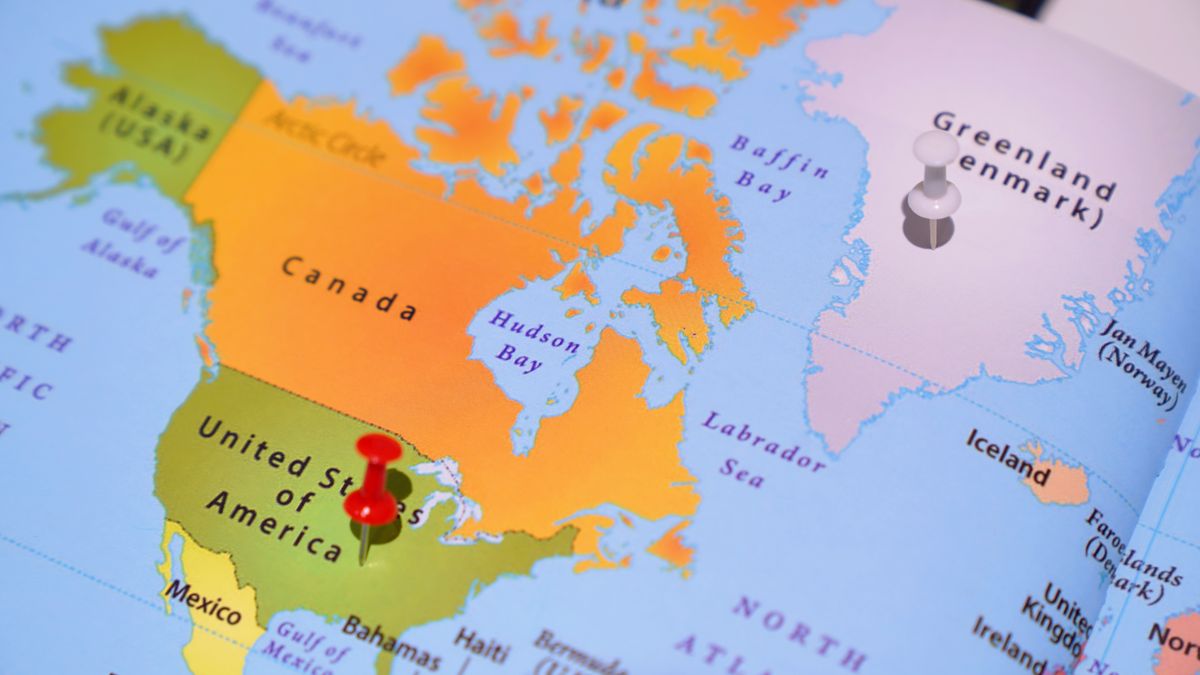
Greenland is the world’s largest island and sits in a strategically important location between North America and Europe. Its position in the Arctic has become increasingly valuable as melting ice opens new shipping routes and increases competition over natural resources.
The island is also home to important mineral deposits, including rare earth elements that are considered essential for advanced technology, renewable energy systems, and defense industries.
For decades, the United States has maintained a military presence in Greenland through Pituffik Space Base, formerly known as Thule Air Base. The facility supports missile warning systems, space monitoring, and Arctic security.
Trump has argued that Greenland’s location makes it vital to American interests, especially as Russia and China expand their activity in the Arctic region.
Trump’s Previous Push to Acquire Greenland
Trump first attracted worldwide attention in 2019 when reports emerged that his administration had explored the possibility of purchasing Greenland from Denmark.
Danish and Greenlandic officials quickly rejected the proposal. Greenland’s leaders emphasized that the island was not for sale and that decisions about its future belonged to its people.
Despite the rejection, Trump continued describing Greenland as strategically important. His renewed comments have brought the issue back into political discussions years later.
The idea of acquiring territory from another country would represent a dramatic shift in modern diplomacy and would require approval from multiple governments.
A 2029 Prediction Creates Fresh Controversy

The recent prediction that the United States could control Greenland by 2029 has intensified debate over whether Trump’s interest represents a serious geopolitical strategy or political messaging.
Supporters argue that gaining greater influence in Greenland could strengthen American security in the Arctic and prevent rival nations from gaining a stronger foothold.
Critics argue that Greenlanders themselves should determine Greenland’s future and that attempts to pressure Denmark or the island’s government could damage relationships with close allies.
The prediction itself does not represent an official agreement or policy change. Instead, it reflects broader speculation about how Arctic competition could develop in the coming years.
Greenland’s Leaders Have Rejected Outside Control

Greenland has its own government and has moved toward greater self-rule from Denmark. While many Greenlanders support eventual independence, political leaders have repeatedly said that foreign governments cannot decide the island’s future.
Greenland’s Prime Minister and other officials have emphasized that cooperation with international partners is possible without giving up control over the territory.
The relationship between Greenland and Denmark remains complex. Greenland manages many domestic issues while Denmark continues handling areas such as foreign affairs and defense.
Any attempt to transfer sovereignty would require significant political negotiations and the support of Greenland’s population.
The Arctic Race Is Becoming More Competitive
The debate over Greenland comes as global powers compete for influence in the Arctic. Climate change has transformed the region from a remote area into a growing focus of military, economic, and environmental interest.
Russia has increased its Arctic presence through military facilities and infrastructure projects. China has also described itself as a near-Arctic state and has invested in Arctic research and economic partnerships.
American officials from both political parties have emphasized the importance of maintaining influence in the region.
Greenland’s location makes it one of the most valuable strategic points in the Arctic, which explains why the island continues attracting international attention.
Economic Opportunities and Challenges

Greenland’s natural resources have attracted interest from companies and governments looking to secure supplies of minerals needed for modern industries.
However, developing those resources is complicated. The island has a small population, limited infrastructure, and harsh environmental conditions that make large-scale projects difficult.
Many Greenlanders have expressed interest in economic development but have also raised concerns about protecting the environment and preserving their way of life.
The future of Greenland’s resources will likely depend on balancing economic opportunities with local priorities.
A Long Road Ahead for Any Change in Control
Although Trump’s Greenland comments have generated headlines, changing ownership of the island would be one of the most complicated geopolitical moves imaginable.
It would involve Denmark, Greenland’s government, the United States, and potentially international legal considerations.
For now, Greenland remains an autonomous territory within the Kingdom of Denmark, and there is no agreement transferring control to the United States.
The debate highlights a larger question about the future of Arctic power. As nations compete for influence in the region, Greenland’s importance will likely continue growing.
Whether that leads to greater American involvement, stronger Greenlandic independence, or another political arrangement remains uncertain.
One thing is clear: the Arctic is no longer a distant frozen frontier. It has become one of the world’s most important strategic regions, and Greenland sits at the center of that competition.