10 Things You Should Never Put in Your Body
Your body is not a storage unit for every trend, dare, shortcut, or “natural” miracle someone swears by online. It is a living system that works hard every second to filter, digest, repair, breathe, pump blood, fight germs, and keep you upright when life gets chaotic. The problem is that many dangerous things do not look dangerous at first, especially when they come wrapped in pretty packaging, social media hype, or casual advice from someone who means well but knows very little.
Some things harm you slowly, like smoke, heavy drinking, and reckless supplement use. Others can cause trouble fast, like cleaning chemicals, mystery pills, spoiled food, or concentrated caffeine. Here are ten things you should never put in your body if you care about your health, your energy, and your future.
Someone Else’s Prescription Medication
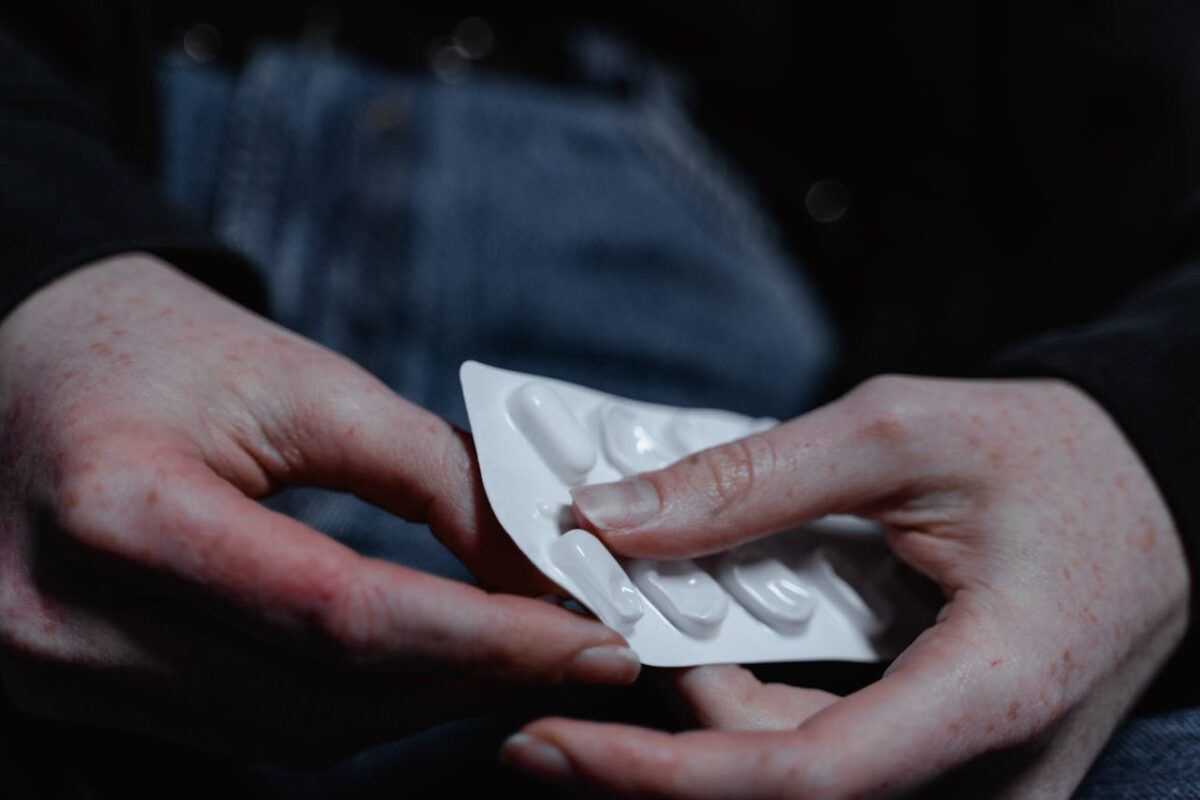
Borrowing another person’s pills may seem harmless when you have pain, anxiety, allergies, or trouble sleeping, but it is one of the quickest ways to gamble with your body. Prescription medication is selected based on a specific person, dose, medical history, allergy profile, and condition. What helps one person can send another person into dizziness, breathing trouble, dangerous interactions, or a medical emergency.
This is especially risky with painkillers, antibiotics, sleeping pills, heart medication, and antidepressants. The pill bottle may look ordinary, but your body does not care that the medicine came from a friend, spouse, cousin, or coworker. If a drug was not prescribed to you, it does not belong in you.
Mystery Pills From Parties, Friends, or Online Sellers
A pill with a logo, color, or familiar shape tells you almost nothing about what is actually inside it. Fake pills can contain dangerous ingredients, unpredictable doses, or substances far stronger than the buyer expected. That “just one pill” moment can turn ugly because the body has no warning system that tells you the contents before it starts absorbing them.
Online sellers make the situation even worse because slick pages can create a false sense of trust. A product can look professional, have glowing reviews, and still be unsafe, contaminated, or illegally made. Your body should never become a testing ground for something with no reliable source, no real medical supervision, and no clear ingredient history.
Tobacco Smoke and Vaping Chemicals
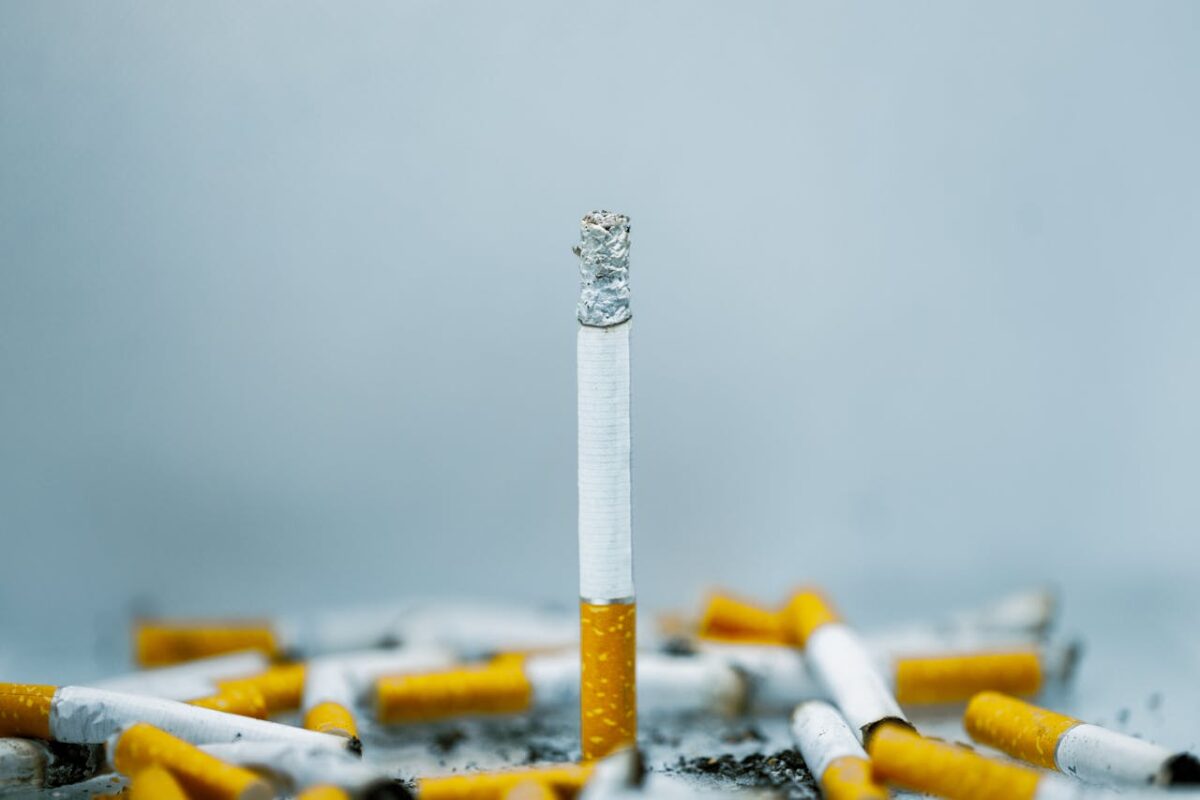
Smoking is one of the most damaging habits people still normalize, even after decades of warnings. Cigarette smoke carries toxins that affect the lungs, heart, blood vessels, skin, mouth, and nearly every major system in the body. It does not just stain teeth or make clothes smell bad; it quietly attacks the body’s ability to breathe, heal, and age well.
Vaping is often marketed as cleaner or smarter, but inhaling chemicals into your lungs is still not a wellness move. The lungs were built for air, not flavored clouds, heated solvents, nicotine salts, or mystery cartridges. Anything that trains your body to crave inhaled chemicals deserves serious caution.
Too Much Alcohol
Alcohol may be legal, social, and easy to find, but that does not make it harmless. Heavy drinking can damage judgment in the moment and damage organs over time. It can affect sleep, mood, liver function, relationships, decision making, blood pressure, and long-term health in ways people often dismiss until the consequences get loud.
The danger is not always the person passed out at the bar. Sometimes it is the nightly “I deserve this” drink that slowly becomes three, then four, and finally a habit the body comes to depend on. Drinking less is one of the clearest ways to reduce health risk, protect energy, and keep your future self from paying interest on today’s escape.
Raw Milk and Risky Unpasteurized Dairy
Raw milk has gained a strange reputation as a pure, old-fashioned health choice, but nature does not automatically equate with safety. Milk that has not been pasteurized can carry harmful germs that cause food poisoning and serious illness. The biggest risk falls on children, older adults, pregnant people, and anyone with a weaker immune system, but healthy adults can get sick too.
Pasteurization exists for a reason. It helps kill dangerous bacteria without turning milk into some fake modern invention. If a product needs a health gamble to feel more “authentic,” your body is allowed to decline the invitation.
Cleaning Products and Household Chemicals

Bleach, ammonia, disinfectants, drain cleaners, detergents, and other household chemicals belong on surfaces, not inside the body. Even breathing strong fumes can irritate the lungs and eyes, and mixing products can create dangerous gases. Swallowing them or using them in strange online “health hacks” is reckless, not brave.
The internet has made some people dangerously casual about chemicals. A bottle under the sink is not a wellness product because someone online gave it a new name. If it was designed to clean toilets, unclog drains, strip grease, or kill germs on counters, it should never be treated like something your body can handle.
Essential Oils Meant for Scent, Not Swallowing
Essential oils can smell calming, fresh, or luxurious, but concentrated plant extracts are still powerful substances. Some can irritate the skin, some can be dangerous when swallowed, and some can cause serious problems if they enter the lungs by accident. Natural does not mean gentle, and tiny bottles can carry a much bigger punch than people expect.
This is where wellness culture often gets sloppy. A drop of something in a diffuser is not the same as drinking it, rubbing it everywhere, or giving it to a child. Your body deserves better than being treated like an aromatherapy experiment.
Mega Dose Supplements and Trendy Detox Products
Supplements can help some people when used wisely, but taking huge doses because a video promised glowing skin, weight loss, hormone balance, or endless energy is a bad plan. Vitamins, minerals, herbs, powders, and capsules can interact with medication or cause side effects when taken in high amounts. More is not always better; sometimes more is simply more work for your liver, kidneys, stomach, and nervous system.
Detox products are another trap. Your body already has detox systems, mainly the liver, kidneys, lungs, gut, and skin. A harsh cleanse may leave you dehydrated, exhausted, or running to the bathroom, but that does not mean it is healing you. Do not confuse discomfort with progress.
Pure Caffeine Powder and Extreme Stimulants
Coffee and tea are normal parts of many people’s routines, but pure caffeine powder is a different beast. It can be extremely concentrated, and small measuring mistakes can become dangerous. The same warning applies to extreme stimulant products that promise laser focus, rapid fat loss, or wild gym performance.
Energy should not feel like panic in a bottle. If a product makes your heart race, hands shake, stomach churn, or sleep disappear, your body is sending a message. Real energy comes from sleep, food, hydration, movement, and recovery, not from forcing your nervous system to sprint all day.
Spoiled Food, Moldy Food, and Unsafe Leftovers

Food can look almost fine and still be unsafe. Spoiled meat, old leftovers, moldy bread, sour prepared meals, and food left too long at room temperature can expose your body to bacteria, toxins, and stomach misery. The “just scrape it off” mindset is not always harmless, especially with soft foods where mold or contamination can spread deeper than the eye can see.
Being frugal is smart, but eating questionable food to avoid waste can cost more than the groceries. If something smells wrong, feels slimy, looks strange, or has sat out too long, do not negotiate with it. Your stomach should not have to prove that dinner was a mistake.