Americans Are Rethinking Dining Out: 7 Ways They’re Stretching Their Food Budgets
Eating out remains popular, but Americans are getting pickier about where they spend their food money. With rising menu prices and everyday grocery bills, a restaurant meal can feel worth a second thought.
According to the Bureau of Labor Statistics, restaurant and other food-away-from-home prices rose 3.5% in September 2026 compared with a year earlier. Grocery prices rose 1.8% during the same period.
That doesn’t mean Americans have stopped visiting restaurants. In fact, national restaurant sales increased in September. Still, a National Restaurant Association survey found that 46% of restaurant operators reported fewer customers in August than a year earlier.
So, where are budget-conscious shoppers finding alternatives? From supermarket dinner counters to fast-food deals, these seven options show how Americans are changing their food-buying habits.
Grocery Store Prepared Meals Are Becoming Dinner Plans
Sometimes, the last thing anyone wants after a long day is to cook. But ordering takeout isn’t the only way to get dinner on the table without spending an hour in the kitchen.
That’s where supermarket prepared-food counters come in.
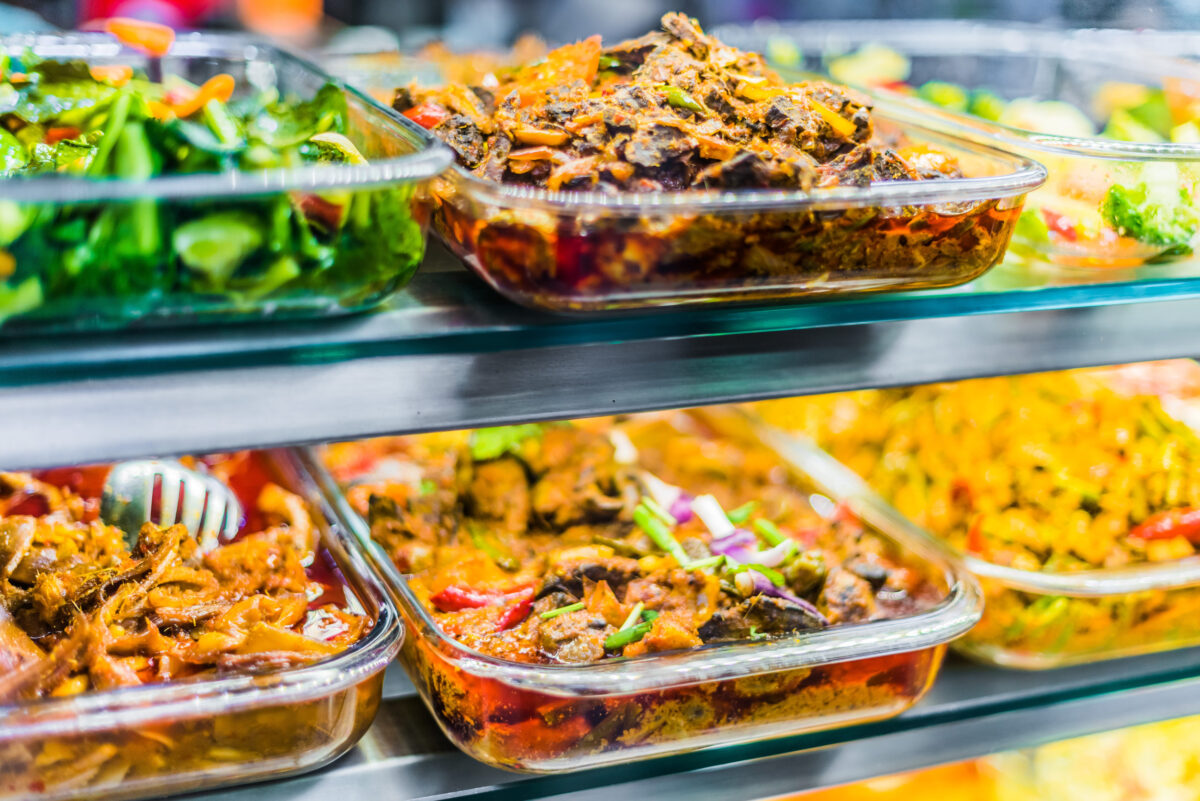
Rotisserie chickens, ready-made sandwiches, sushi, pizza, and prepared side dishes offer a convenient middle ground between cooking everything yourself and dining out.
According to FMI, the Food Industry Association, 28% of consumers chose deli-prepared foods instead of restaurant meals in 2025, compared with just 12% in 2017.
That’s a significant change in how shoppers approach convenient meals.
FMI’s 2026 findings also showed that 56% of households combined home preparation with foods prepared elsewhere for dinner at least once a week.
The practical approach? Pick up a prepared main dish and pair it with ingredients already waiting in your refrigerator. Dinner doesn’t have to be completely homemade to feel like a proper meal.
Frozen Foods Are Getting a Bigger Role in Meal Planning
Remember when frozen dinners were mostly considered emergency meals for nights when nobody wanted to cook?
That reputation is changing.
Today’s shoppers increasingly treat frozen foods as regular parts of their weekly menus rather than forgotten boxes in the back of the freezer.
A February 2026 study by the American Frozen Food Institute (FMI) found that 40% of surveyed frozen-food consumers used frozen products every few days or daily. That compares with 35% in 2019.
Even more interesting, 77% purchased frozen foods with a particular meal or day in mind.
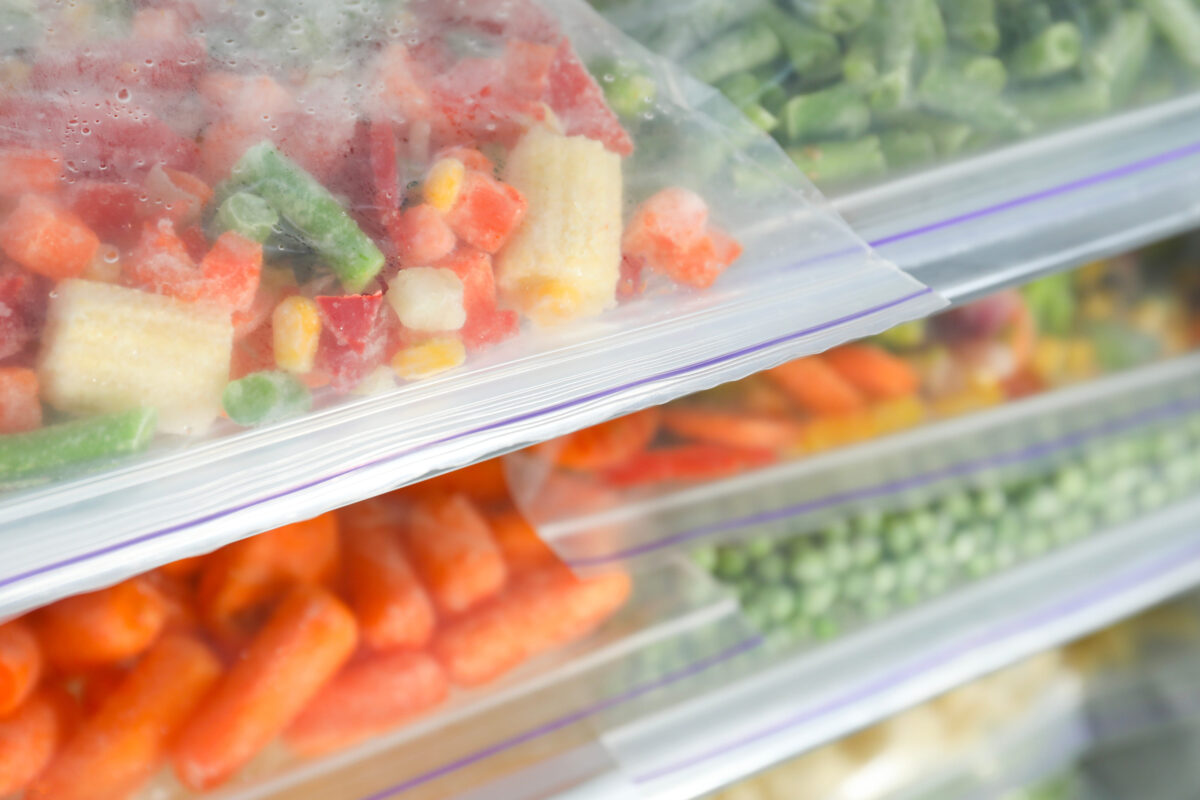
Frozen entrées, vegetables, proteins, and other meal components make it easier to put together dinner without starting from scratch.
One practical trick is to combine frozen ingredients with fresh ones. In fact, 76% of surveyed frozen-food consumers reported doing exactly that.
It doesn’t have to be an elaborate dinner. Sometimes, a reliable freezer option is enough to keep an expensive last-minute order off the menu.
Discount Grocery Stores Are Winning More Shopping Trips
When the grocery budget feels tight, even a small change in shopping habits can feel worthwhile.
For many households, that means looking more closely at discount grocery chains.
Aldi is one retailer attracting attention.
According to Placer.ai, total visits to Aldi rose 1.3% to 6.4% year over year each month from January through August 2026.
Some of that growth reflects the chain’s expanding store network rather than a major increase in traffic at individual locations.
Still, Aldi reported gaining 17 million new customers in 2025.
Its appeal centers on straightforward grocery shopping, a limited assortment, and an emphasis on value.
For shoppers looking to reduce their food bills, discount grocery stores offer another place to compare everyday ingredient prices.
Of course, visiting Aldi doesn’t automatically mean someone has stopped eating at restaurants. But the retailer’s expanding reach shows how important value-focused grocery shopping has become.
Warehouse Clubs Are Getting More Attention
Bulk shopping isn’t just about bringing home enormous packages of paper towels.
For households that regularly use the same groceries, warehouse clubs can offer a different way to organize food purchases.
Costco is a particularly strong example.
The company’s U.S. comparable sales increased 8.2% during fiscal 2026. After adjusting for gasoline-price and foreign-exchange effects, comparable sales increased 6.6%.
Those figures include more than food purchases, but they demonstrate the retailer’s continued momentum.
For shoppers, the appeal is buying frequently used products in larger quantities.
However, bulk buying requires some common sense.
A large package isn’t necessarily a bargain if you use only half of it. Compare unit prices, consider storage space, and focus on products your household already buys regularly.
That oversized package only makes financial sense when you actually use what’s inside.
Related: 10 Things You Didn’t Know You Could Get for Free at Grocery Stores
Store Brands Are Becoming Everyday Favorites
There was a time when choosing the store brand felt like settling for second best.
Now, shoppers are increasingly willing to add retailer-owned products to their carts.
According to the Private Label Manufacturers Association, private-label dollar sales increased 3.3% in 2025, compared with 1.2% growth for national brands.
Store-brand unit sales also rose 0.6%, while national-brand unit sales fell by the same amount.
Those numbers cover food and nonfood products, but food categories contributed to the growth.
Examples of familiar private-label brands include Walmart’s Great Value and Aldi’s Priano, Earthly Grains, and Happy Harvest.
A July 2026 Numerator report found that 38% of consumers purchased private-label products specifically to save money.
The practical lesson is simple: Compare products instead of assuming the more recognizable name is always the better buy.
Grocery Delivery and Pickup Are Changing Convenience
Convenience used to mean grabbing takeout when nothing was ready for dinner.
Today, it can also mean having groceries delivered or waiting at the store for pickup.
According to Brick Meets Click, online grocery shopping represented more than 19% of total U.S. grocery spending in the first quarter of 2026, up from less than 15% in the third quarter of 2024.
Nearly 80% of grocery delivery orders in early 2026 were scheduled for same-day fulfillment.
Services from Walmart, Amazon, Instacart, and other grocery providers are changing how shoppers manage busy schedules.
However, online ordering isn’t automatically cheaper. Delivery charges, service fees, and product prices still deserve attention.
For shoppers trying to make fewer unplanned food purchases, ordering groceries ahead can provide a convenient alternative to another rushed dinner decision.
Related:10 Things Lonely People Do in Grocery Stores Unrelated to Their Shopping List
Restaurant Value Menus Are Keeping Budget Diners Interested
Here’s the twist: Not all food-budget changes involve avoiding restaurants.
Sometimes, Americans simply choose cheaper ways to eat at places they already enjoy.
Circana reported that traffic associated with value-menu purchases rose 1% in the quarter ending June 2025, even as overall restaurant traffic fell 1%.
Major chains have responded to price-conscious customers with bundled meals and promotional offers.
For example, McDonald’s advertised a $4 breakfast meal deal and lunch or dinner meal deals starting at $5 on its U.S. offers page in October 2026. Prices and participation vary by location, and those advertised offers exclude delivery.
These deals won’t necessarily beat the cost of cooking at home, but they give customers another option when restaurant prices feel hard to justify.
For occasional restaurant visits, checking available meal bundles can be more practical than ordering individual items automatically.
The Bottom Line
Americans aren’t abandoning restaurants, but many are becoming more deliberate about everyday food spending.
Whether that means picking up a supermarket dinner, stocking the freezer, choosing store brands, or looking for a restaurant deal, the common goal is familiar: Make the food budget work harder without giving up convenience or the meals people enjoy.