Amazon Got $600 Million Back From Trump Tariffs. Here’s What It Could Mean for Shoppers
Amazon’s $600 million tariff refund is more than a corporate payout. It could become a test of whether billions of dollars recovered from trade disputes will eventually make their way back to everyday consumers.
The online retail giant revealed that it recovered approximately $600 million in tariff-related refunds during the second quarter after legal challenges questioned the validity of certain import duties connected to former President Donald Trump’s tariff policies. Amazon says it plans to pass some of those savings back to customers, but the biggest question remains: how much will shoppers actually feel in their wallets?
The answer could shape a larger conversation about tariffs, prices, and corporate responsibility. For millions of Americans who have watched grocery bills, electronics prices, and household expenses rise over recent years, a refund worth hundreds of millions of dollars sounds like a potential opportunity for relief.
But Amazon’s refund story is not simply about a company receiving money back. It is about how trade policies move through the economy, how businesses manage unexpected savings, and whether consumers ultimately benefit when companies recover costs they previously paid.
Amazon’s $600 Million Tariff Refund Could Change How Shoppers See Trade Policies.
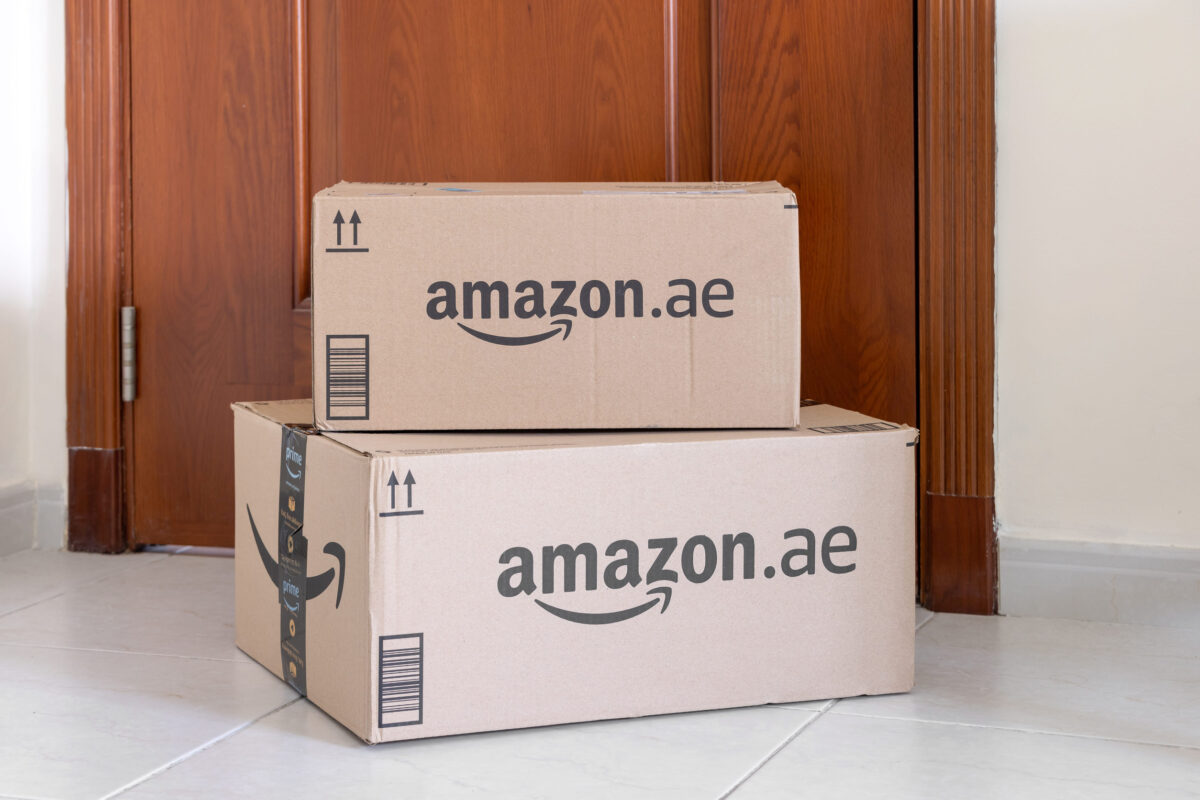
A tariff decision made years ago in Washington is now creating a financial ripple effect that could reach Amazon customers across the country.
Tariffs are taxes placed on imported goods, and companies importing products into the United States typically pay those costs before goods reach consumers. While tariffs are designed to influence trade behavior and encourage domestic production, they can also increase expenses for businesses that depend on global supply chains.
Amazon operates one of the world’s largest retail networks, with millions of products moving through warehouses, suppliers, and third-party sellers. When import costs rise, companies must decide whether to absorb those expenses, negotiate with suppliers, adjust prices, or reduce margins.
The $600 million refund represents a reversal of some of those costs.
The refund highlights how government policies can continue affecting businesses and consumers long after the original decisions are made.
The Big Question: Will Amazon Customers Actually See Lower Prices?
For shoppers, the headline number is impressive: $600 million.
The real question is whether that money will translate into noticeable savings at checkout.
Amazon has not announced that every customer will receive a direct payment or universal discount. Instead, the company has indicated that some of the recovered money will be passed along through customer-focused actions.
That could happen in several ways.
Amazon could reduce prices on certain products where tariff costs previously played a role. It could increase discounts, promotions, or marketplace incentives. It could also use the recovered funds to prevent future price increases as supply chain costs change.
The impact will likely depend on product category, seller decisions, and Amazon’s broader pricing strategy.
For consumers, the difference between a corporate refund and a personal benefit is significant. A $600 million recovery does not automatically mean millions of shoppers will receive a major discount.
The money must move through Amazon’s complicated retail ecosystem before customers feel the effect.
From Washington Tariffs to Your Shopping Cart: How the Money Traveled
The journey of a tariff dollar is often invisible to consumers.
A product may begin in an overseas factory, move through international shipping networks, arrive at a US port, enter a warehouse, and eventually appear on a customer’s screen.
At each stage, costs can influence the final price.
Consider everyday products commonly sold online:
- Electronics accessories
- Kitchen appliances
- Furniture and home goods
- Clothing and footwear
- Consumer gadgets
Many of these categories rely on international manufacturing networks.
When tariffs increase, companies face higher costs. Some absorb those expenses, while others adjust prices to protect profitability.
Amazon’s refund creates a different situation. Instead of dealing with a new expense, the company is recovering money it previously paid.
That creates an opportunity to revisit pricing decisions.
For shoppers, the tariff debate is no longer just about international trade agreements. It appears in the price of a phone charger, a coffee maker, a desk lamp, or a household item added to an online cart.
Why Amazon May Want Customers to Know About the Refund
Amazon’s decision to highlight the tariff recovery is also a business strategy.
The company competes in an environment where customers can compare prices instantly. A shopper can move from one retailer to another with a few clicks, making pricing transparency increasingly important.
Sharing information about recovered costs can help Amazon reinforce a message that savings are being considered for customers.
The announcement also comes at a time when many consumers remain highly focused on affordability.
After years of inflation pressures, shoppers have become more careful about spending decisions. Even small price reductions can influence where customers choose to buy.
For Amazon, passing along some savings could strengthen customer loyalty while maintaining its reputation as a place where shoppers expect competitive prices.
Could Other Companies Receive Similar Tariff Refunds?

Amazon’s announcement may represent only one part of a larger review happening across corporate America.
Large retailers, manufacturers, and companies with major import operations could examine whether they qualify for similar refunds.
Companies that paid significant tariff costs may review:
- Import records
- Product categories affected by tariffs
- Previous customs payments
- Legal eligibility requirements
The process is complex, and not every company will qualify for refunds. However, Amazon’s disclosure could encourage other businesses to investigate whether they are entitled to recover money.
If additional companies receive refunds, the total financial impact could become much larger.
Amazon’s Refund Reveals the Hidden Cost of Trade Wars
The $600 million recovery shows that trade disputes do not end when tariffs are collected.
The effects continue through business decisions, pricing strategies, supply chains, and consumer behavior.
Companies spend years adapting to tariff changes. They may move production, renegotiate supplier agreements, or redesign logistics networks.
When those policies are later challenged or reversed, businesses must adjust again.
Amazon’s refund is a reminder that trade decisions create long-term consequences that can reach far beyond government offices and corporate headquarters.
What Happens Next for Amazon and Its Customers?
The next stage will determine whether Amazon’s tariff refund becomes a meaningful consumer benefit or simply a corporate accounting adjustment.
Customers will be watching for:
- Lower prices on affected products
- Increased discounts and promotions
- Changes from marketplace sellers
- Broader savings across Amazon’s retail platform
The company’s decision could also influence how other businesses handle unexpected financial recoveries.
A refund that begins as a corporate matter could eventually become a consumer story.
Amazon’s $600 million tariff recovery represents a rare moment where a complex trade dispute connects directly with everyday shopping. Whether customers see major savings or smaller benefits, the announcement has opened a larger debate about who should benefit when companies recover unexpected costs.
For millions of shoppers, the answer is simple: if a policy created higher prices before, any savings from reversing that policy should eventually find their way back to the people who paid the bill.