Chicago Citizenship Crisis Deepens as Naturalizations Plunge More Than 80%, Leaving Thousands Waiting to Become Americans
For decades, Chicago’s naturalization ceremonies have represented one of the most powerful symbols of the American dream. Families gathered in packed venues, new citizens raised their hands to take the oath, and immigrants who spent years building their lives in the United States finally reached the moment they had been waiting for. But in 2026, that familiar celebration has nearly disappeared as new citizenship numbers across the Chicago area experience a dramatic decline.
Federal data reviewed by ABC7 Chicago shows naturalizations in the Northern District of Illinois have fallen by more than 80% compared with recent years. The slowdown has left thousands of legal permanent residents waiting for the final step toward citizenship, raising concerns about election participation, community involvement and the future of one of America’s largest immigrant communities.
Chicago’s Once Packed Citizenship Ceremonies Have Nearly Vanished
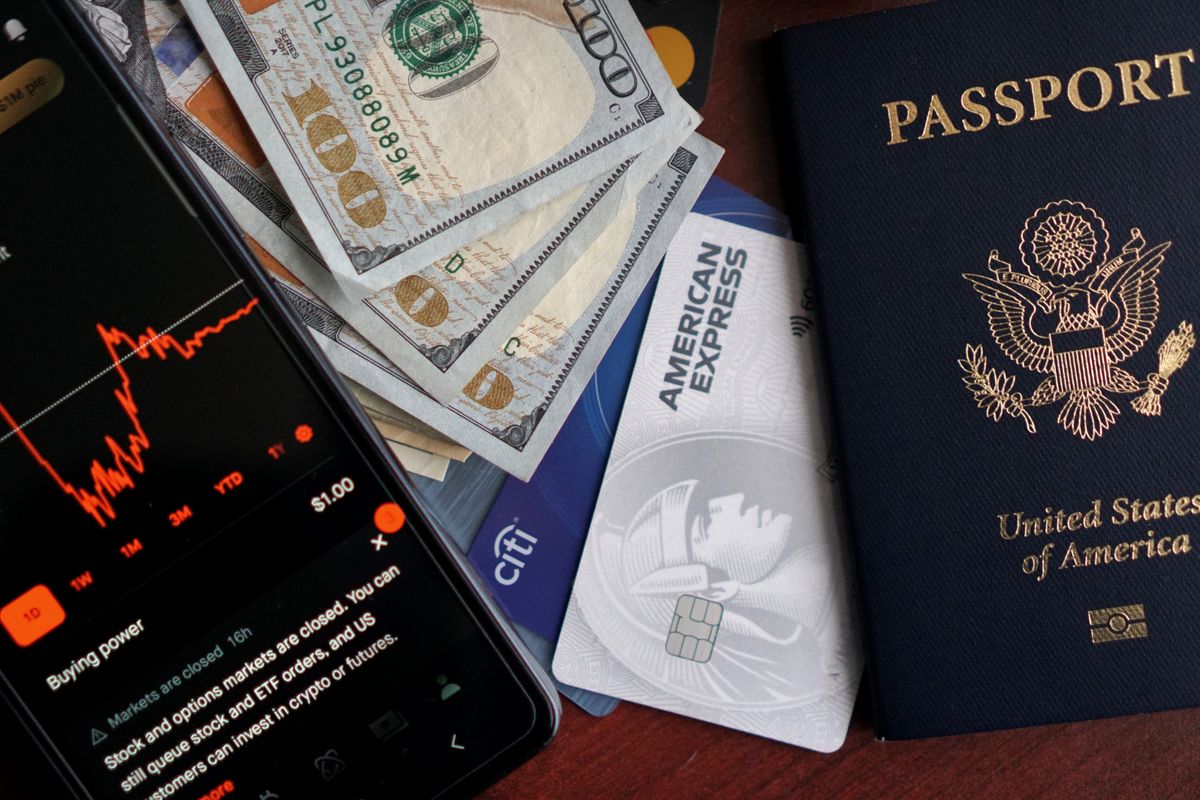
The scale of the decline has shocked immigration observers. Federal data from the Northern District of Illinois shows nearly 33,000 people became U.S. citizens in 2022, when Chicago hosted frequent ceremonies that sometimes filled major venues, including events at Wrigley Field. In 2026, the number has dropped to fewer than 4,000 completed naturalizations so far, according to the data reviewed by ABC7 Chicago.
The decline represents more than a change in government statistics. Naturalization ceremonies have long been public celebrations of Chicago’s immigrant identity, showing how generations of newcomers became full participants in American life. The disappearance of those events has created a visible reminder that many applicants are now facing longer waits before reaching the finish line.
Behind Every Delayed Application Is a Long Personal Journey
For immigrants like Isabella Kulikowska, citizenship was the result of decades of patience and commitment. Originally from Poland, Kulikowska spent 25 years working toward becoming an American citizen before finally taking the oath and celebrating the achievement she had dreamed about for years.
Her story reflects why naturalization carries such emotional weight. For many immigrants, citizenship is not simply a legal status but the final chapter of a journey that includes building careers, raising families, and contributing to communities across the country.
Luv Dhody experienced the frustration of delays firsthand. After spending two decades pursuing citizenship, he and his wife applied together, hoping they would share the moment as a family. Dhody completed the process, but his wife remains waiting, showing how delays can separate families during one of the most important milestones of their lives.
Citizenship Delays Could Keep Thousands From Voting
One of the biggest consequences of slower naturalization is the effect on political participation. Legal permanent residents can live and work in the United States, but they cannot vote in federal elections until they become citizens. For many applicants, timing their citizenship process around elections is a major reason they apply when they do.
Immigration attorneys say some residents hoped to complete the process before upcoming elections so they could participate in the political system for the first time. Delays could prevent eligible immigrants from having a voice in decisions affecting their communities, even after years of contributing to American society.
Processing Backlogs Create Uncertainty for Legal Residents
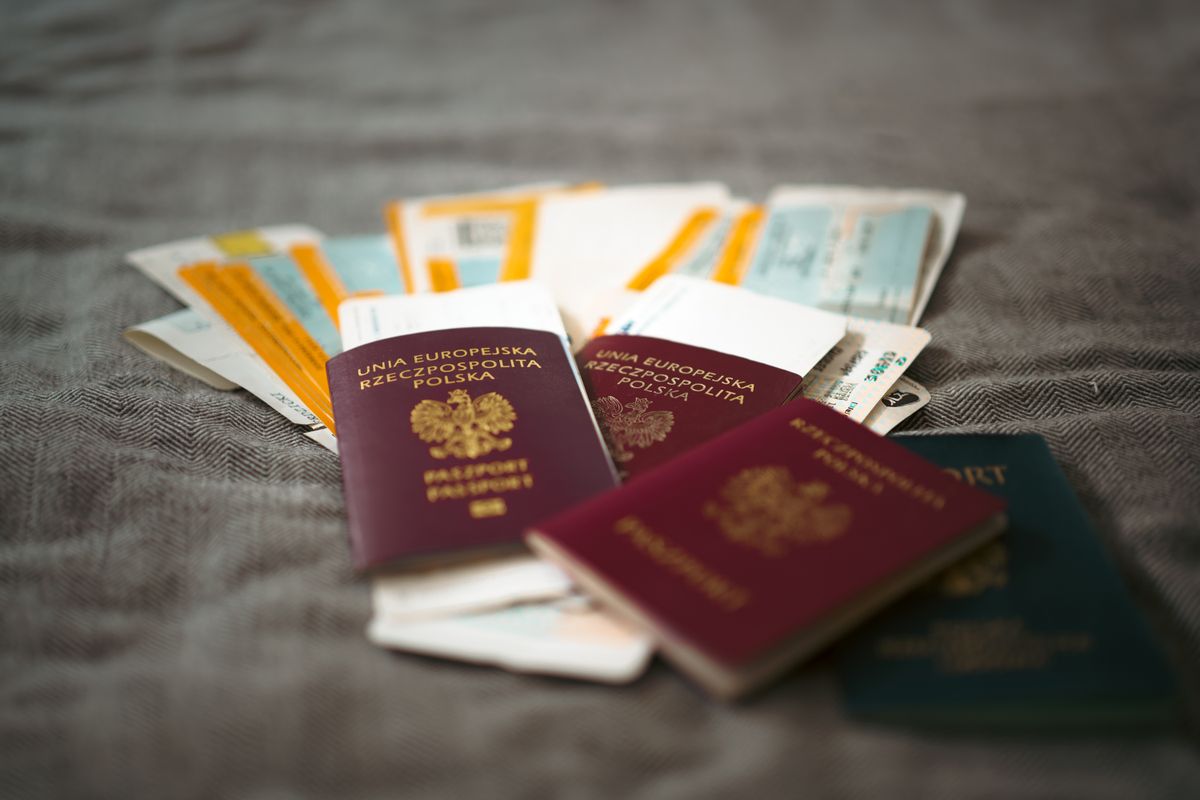
Immigration attorneys say the decline is connected to slower processing at U.S. Citizenship and Immigration Services, even as fewer people are applying for citizenship. Kathleen Vannucci, an immigration attorney, said completed cases have dropped significantly compared with previous years, creating longer waits and uncertainty among applicants.
The delays can affect everyday choices for legal permanent residents. Some applicants become more cautious about international travel, government interactions, or major life decisions because they are waiting for the security that citizenship provides. After spending years following the legal process, many find themselves unsure about when their applications will finally be completed.
Government Defends Stronger Citizenship Screening
U.S. Citizenship and Immigration Services has defended the slower pace, saying the agency is strengthening screening and review procedures. USCIS spokesperson Zach Kahler said the agency will not take shortcuts during the naturalization process and emphasized the importance of maintaining the integrity of the citizenship system.
Officials argue that citizenship is one of the most important legal statuses a person can receive and requires careful review. They say stronger vetting protects the system and ensures applicants meet all requirements before receiving full citizenship rights.
Advocates Warn Delays Could Affect Immigrant Communities
Immigration advocates argue that security and efficiency should not come at the expense of qualified applicants waiting for approval. They say lengthy delays can prevent legal residents from fully participating in civic life despite already meeting the requirements for citizenship.
The debate reflects a larger disagreement about how the immigration system should operate. Government officials emphasize accuracy and security, while critics argue that unnecessary delays create barriers for people who have spent years working toward becoming Americans.
Chicago’s Immigrant Identity Faces a New Turning Point
Chicago has long been shaped by immigrant communities that have influenced the city’s neighborhoods, businesses and culture. Naturalization ceremonies became a public reflection of that history, celebrating the moment when immigrants officially joined the nation’s civic community.
The sharp decline in new citizens raises questions about how the city’s relationship with immigration may change. Fewer ceremonies mean fewer visible celebrations of citizenship, while thousands of eligible residents remain in a waiting period between permanent residency and full membership in American society.
The Future of Chicago Citizenship Remains Uncertain
The decline in naturalizations is more than a temporary slowdown in government processing. It represents a major shift for thousands of immigrants who have spent years preparing for the opportunity to become citizens and participate fully in the country they call home.
As officials balance stronger screening with the need to process applications efficiently, Chicago’s citizenship numbers will remain closely watched. For the people waiting, the issue is deeply personal: behind every delayed application is a family, a career, and a long-awaited dream of becoming American.