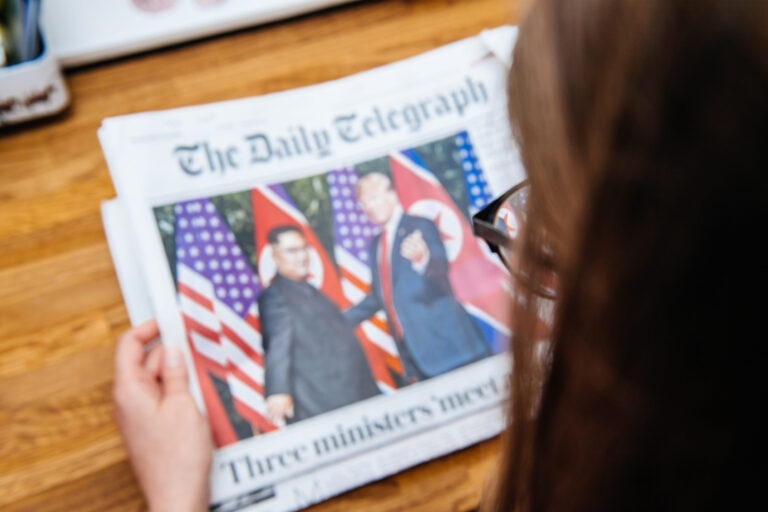
8 Ways Political Chaos is Hurting Americans’ Mental Health
Political chaos isn’t just filling news headlines; it’s affecting the very core of American mental health. From endless arguments over the state of the nation to the constant pressure of staying “informed,” the toll is unmistakable.
You may have felt it yourself: the tightness in your chest after a heated debate, the exhaustion that lingers even after you’ve put your phone down, or the growing distance between you and loved ones. It’s not just you. This stress is seeping into the homes, workplaces, and relationships of millions of Americans.
With every new breaking news alert, the pressure mounts. But it’s not just about staying informed. It’s about staying emotionally afloat while navigating a political minefield. Here are 8 ways political chaos is directly affecting Americans’ emotional well-being.
Constant News Keeps People on Edge
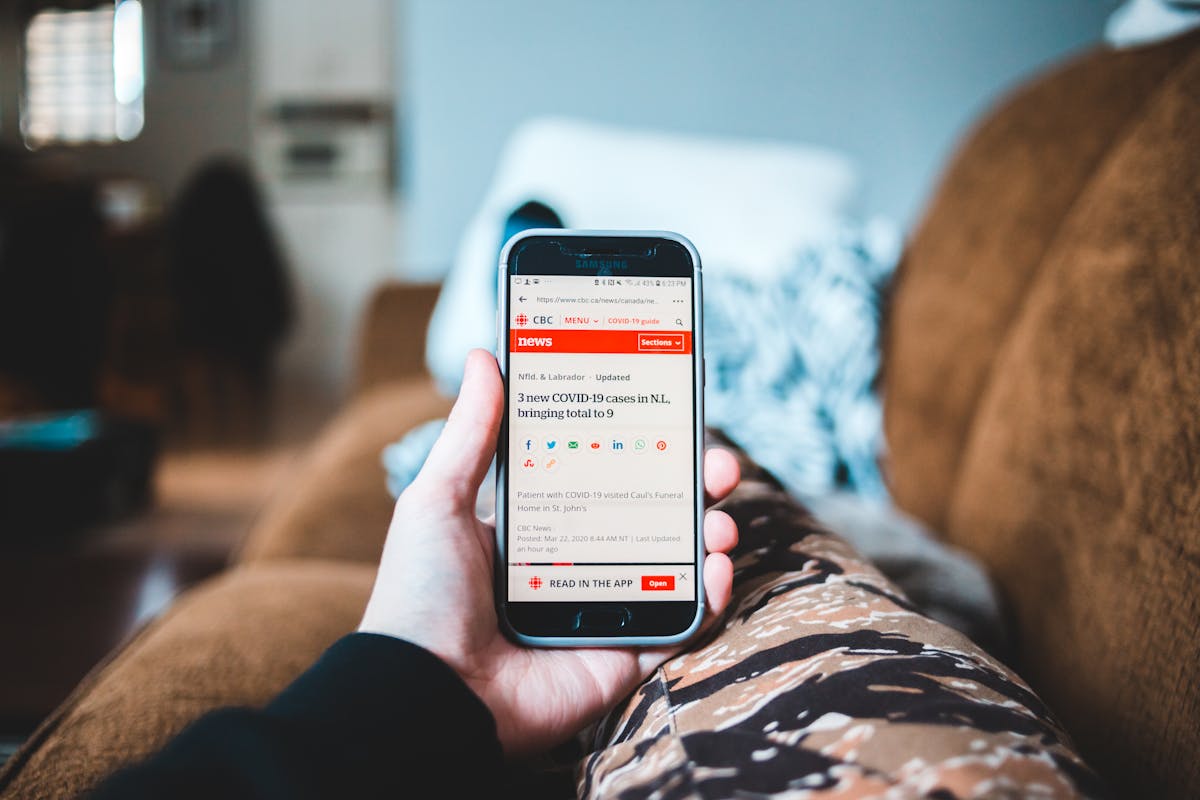
The first way political chaos is taking a toll on Americans’ mental health is through the constant stream of news. The news cycle moves so quickly that it’s hard to keep up, and even harder to disengage. Each new headline pulls you back in, regardless of how emotionally draining it may be. People are caught in a loop of doomscrolling, reading, reacting, sharing, repeating, and it never seems to end.
The stress of staying on top of every breaking news story has a significant impact on mental health. This constant cycle leaves little room for emotional recovery, making it difficult for people to focus on anything other than the latest crisis. It’s like living in a perpetual state of emergency, where every headline feels like a new threat to personal safety or peace of mind.
Family Arguments Feel More Personal
When politics feels like a life-or-death situation, it becomes personal. It’s no longer just about voting choices or political preferences; it’s about who you are as a person. And when family members disagree on these deeply emotional issues, it can lead to fights, resentment, and broken relationships.
What once might have been a friendly debate over dinner has turned into a high-stakes argument over values, beliefs, and even identity. The emotional weight of these debates leaves people feeling exhausted, frustrated, and disconnected from loved ones. Family gatherings are no longer a time to unwind and enjoy each other’s company; they’re a battleground for differing political views.
Social Media Turns Anger Into a Habit
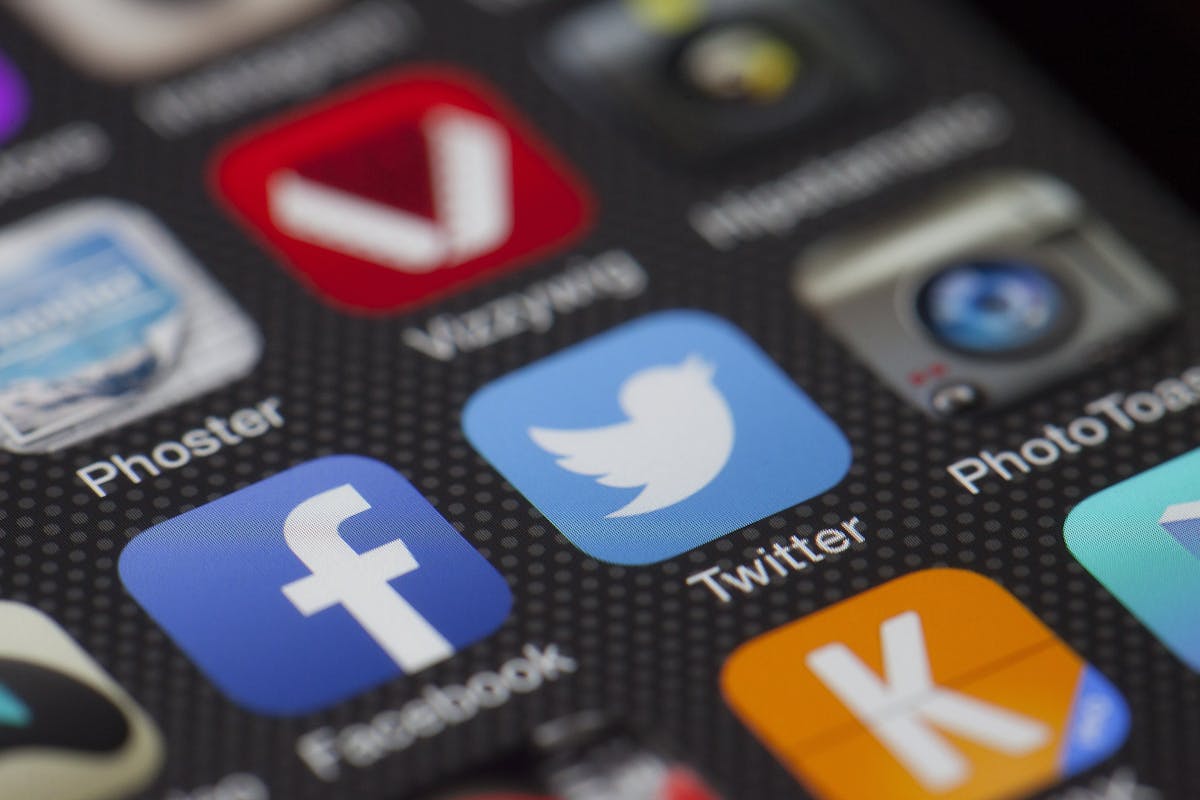
Social media has become a breeding ground for outrage and division. It’s where people share their frustrations, post political rants, and argue over every issue. The problem is that social media often rewards anger. Posts that stir up the most emotion get the most attention, creating a feedback loop that encourages people to react with rage, fear, or outrage.
Over time, this builds a habit of anger. The more people engage with politically charged posts, the more they feel compelled to react. It’s not just a one-time flare-up; it becomes a cycle. And the longer people stay in this emotional state, the harder it is to escape.
Fear of Violence Raises Anxiety
Political instability often breeds fear of violence. The fear of protests turning into riots or of political disagreements escalating into personal attacks is real for many Americans. This constant fear of public unrest and violence weighs heavily on mental health, creating a heightened state of anxiety.
Even if the threat of violence isn’t directly affecting someone’s life, the constant media coverage of it can make people feel unsafe. They begin to question their personal security, whether they’re walking down the street or sitting at home. This heightened fear leads to a constant state of alertness, which can exhaust the mind and increase stress levels.
Economic Fights Add Money Stress

Economic issues have always been a source of stress, but when they become intertwined with political chaos, they’re amplified. Rising costs of living, healthcare debates, and fears over job security, all tied to political decisions, create a constant state of worry for millions of Americans.
Money stress is one of the most personal and impactful forms of anxiety. When people worry about how they’re going to afford their next meal or whether they can pay their rent, it affects every part of their lives. And when political leaders seem more focused on their own agendas than on addressing these concerns, the feeling of helplessness deepens.
Identity Debates Feel Like Personal Attacks
Politics has increasingly become a battlefield for identity. Debates over race, gender, immigration, and religion have become emotionally charged, leading many to feel that their very identity is under attack. What was once a discussion about policy is now a conversation about who belongs and who doesn’t.
For those who feel targeted by political rhetoric, this can be emotionally devastating. It’s not just a disagreement; it’s a challenge to their sense of self-worth and belonging. The mental toll of these identity debates can cause feelings of alienation, sadness, and anger, which have a lasting impact on mental health.
Lost Trust Feeds Hopelessness
Trust in government, media, and institutions has eroded significantly in recent years. The more people feel they can’t rely on these systems, the more disconnected and powerless they become. This lack of trust feeds hopelessness, making people feel like their voices don’t matter.
When people lose faith in the very systems that are supposed to protect and serve them, it’s easy to fall into a state of despair. They may start to feel like nothing can change, and that no matter what they do, the world will continue to spiral. This emotional disillusionment can lead to withdrawal from civic life, further isolating individuals from the society they once believed in.
Civic Burnout Makes People Withdraw
Finally, political chaos can lead to civic burnout. At first, people are passionate, stay informed, vote, volunteer, and speak out. But over time, the constant barrage of bad news, heated debates, and lack of progress can leave them feeling drained and hopeless.
Civic burnout is a real and growing issue. When people stop believing that their actions can make a difference, they withdraw. They stop voting, stop paying attention to the news, and stop engaging with others on political issues. This withdrawal from civic life can make people feel isolated and disconnected from the larger community.
Conclusion
Political chaos is taking a heavy toll on Americans’ mental health, leading to stress, anxiety, and division. The constant barrage of news, family arguments, fear of violence, and economic strain is all contributing to a growing mental health crisis. However, by setting boundaries, practicing mindfulness, and staying connected with supportive communities, Americans can protect their peace and mental well-being.