8 Signs Internet Dating is Ruining Modern Relationships
Imagine meeting someone who seems perfect on paper, attractive, funny, and seemingly ready for a relationship. You’ve had a few great chats, and the chemistry is undeniable. But then, just as you’re starting to think you’ve found something real, they disappear.
They stop texting, stop caring, and suddenly, you’re left wondering: Was this all just a game? The digital age has revolutionized the way we meet people, but it’s also eroded some of the essential elements of modern relationships.
What was once a hopeful endeavor to find true love has now become an exhausting cycle of swipes, superficial connections, and ghosting. Here are the 8 alarming ways internet dating is quietly ruining relationships.
Swipe Culture is Making People Disposable,

One of the biggest issues with online dating today is how it has fostered a culture of instant judgment and disposability. Gone are the days when getting to know someone slowly was the norm. Instead, people are now reduced to nothing more than a picture and a short bio, quickly swiped left or right based on fleeting impressions.
This fast-paced, swipe-driven mentality creates a shallow approach to dating. Rather than forming genuine connections, many people treat dating apps like a game, swiping endlessly in the hope of finding someone who checks all their boxes. And while this may seem like a good way to find a match quickly, it often leads to emotionally exhausting experiences, where people feel like they’re just another face in a sea of options.
Conversations Have Become Job Interviews
Another way internet dating is ruining modern relationships is by turning conversations into job interviews. When you meet someone in real life, the conversation flows naturally. But online, it feels like you’re constantly screening potential partners. Questions like “Where do you see yourself in five years?” and “What’s your attachment style?” are designed to find out whether someone meets your criteria, but they also turn dating into a checklist rather than an organic, human connection.
Instead of asking fun questions like “What’s the most embarrassing thing you’ve ever done?” or “What’s your go-to karaoke song?”, online dating conversations are structured like an interview. This approach can make dating feel like work rather than something enjoyable, stripping the experience of its excitement and spontaneity.
People Are Chasing Instant Chemistry, Not Real Compatibility

In today’s dating world, chemistry has become the be-all and end-all of any relationship. If you don’t feel an instant spark, people are quick to move on to the next match. But the problem with chasing chemistry is that it doesn’t guarantee long-term compatibility. Chemistry can be intense and thrilling, but it’s often based on physical attraction, novelty, or emotional intensity rather than the qualities that make a relationship sustainable: trust, respect, and mutual understanding.
Ghosting is More Common Than Ever
Ghosting, when someone cuts off all communication without explanation, is one of the most hurtful and frustrating parts of modern dating. While it was once considered rude, ghosting has now become normalized. People feel like they can disconnect at the drop of a hat without any accountability, leaving the person they’ve been dating in limbo.
Ghosting creates emotional distress for the person left behind. They are left wondering whether something went wrong, whether they said something inappropriate, or whether the relationship was ever real to begin with. The lack of closure is one of the most damaging parts of this behavior, and it’s an epidemic that’s spreading in the world of online dating.
Dating Burnout is Becoming More Common
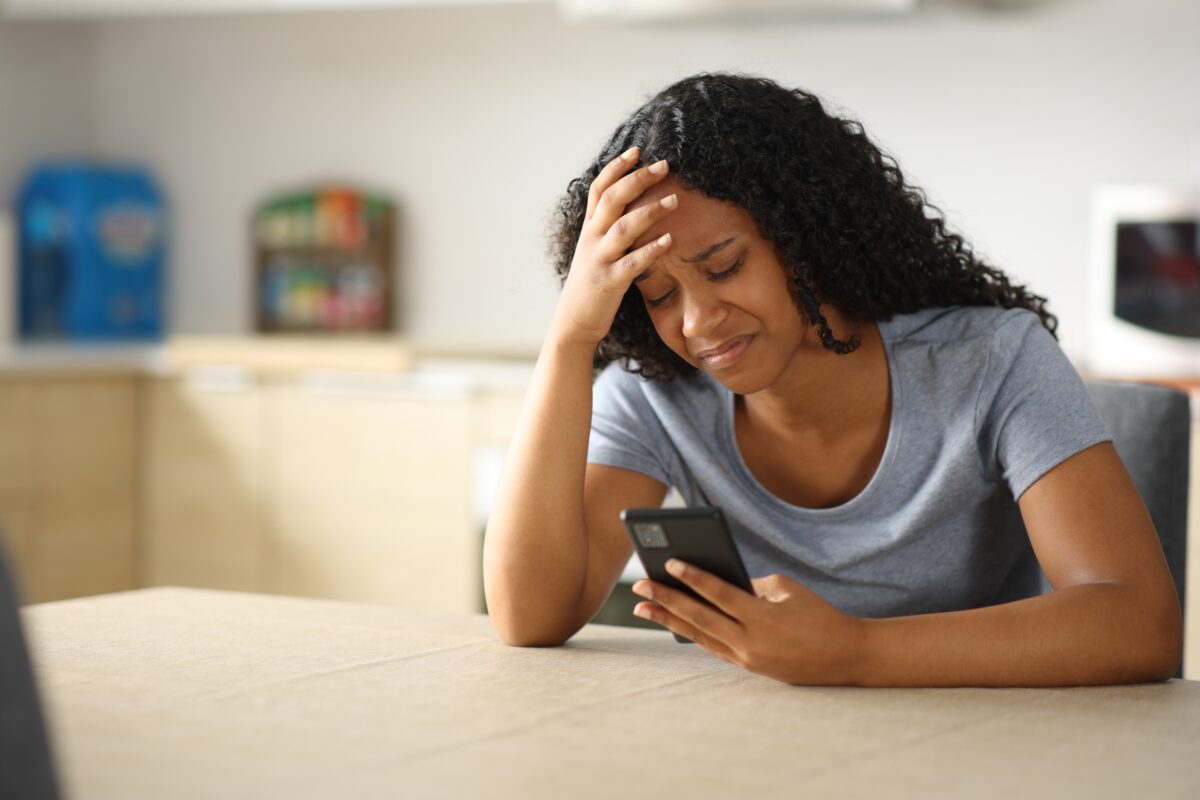
Online dating has become a never-ending cycle of hope and disappointment. Match, message, wait, repeat. It’s exhausting. Many people enter the dating scene with high hopes, only to feel emotionally drained after days or weeks of messaging, matching, and meeting people who don’t align with their values or goals.
If you’re starting to dread the idea of swiping, or if you feel like dating apps have become a chore, you’re probably experiencing dating burnout. It’s a cycle of anticipation followed by inevitable disappointment. When you’re constantly interacting with people who don’t meet your standards or don’t take the process seriously, it can be emotionally draining.
Trust is Getting Harder to Build
With online dating, trust issues are more common than ever. The anonymity of dating apps makes it easy for people to misrepresent themselves. Photos are heavily edited, bios are carefully curated, and people often create an idealized version of themselves online that doesn’t match reality. Over time, this inconsistency can erode trust and make people wary of opening up.
The gap between someone’s online profile and their real life creates a feeling of doubt and suspicion. It’s not just about lying; it’s about the expectation that everything needs to look perfect. When this idealized version of someone doesn’t match up with their actual personality or behavior, it leads to disappointment and mistrust.
Social Skills Are Slipping
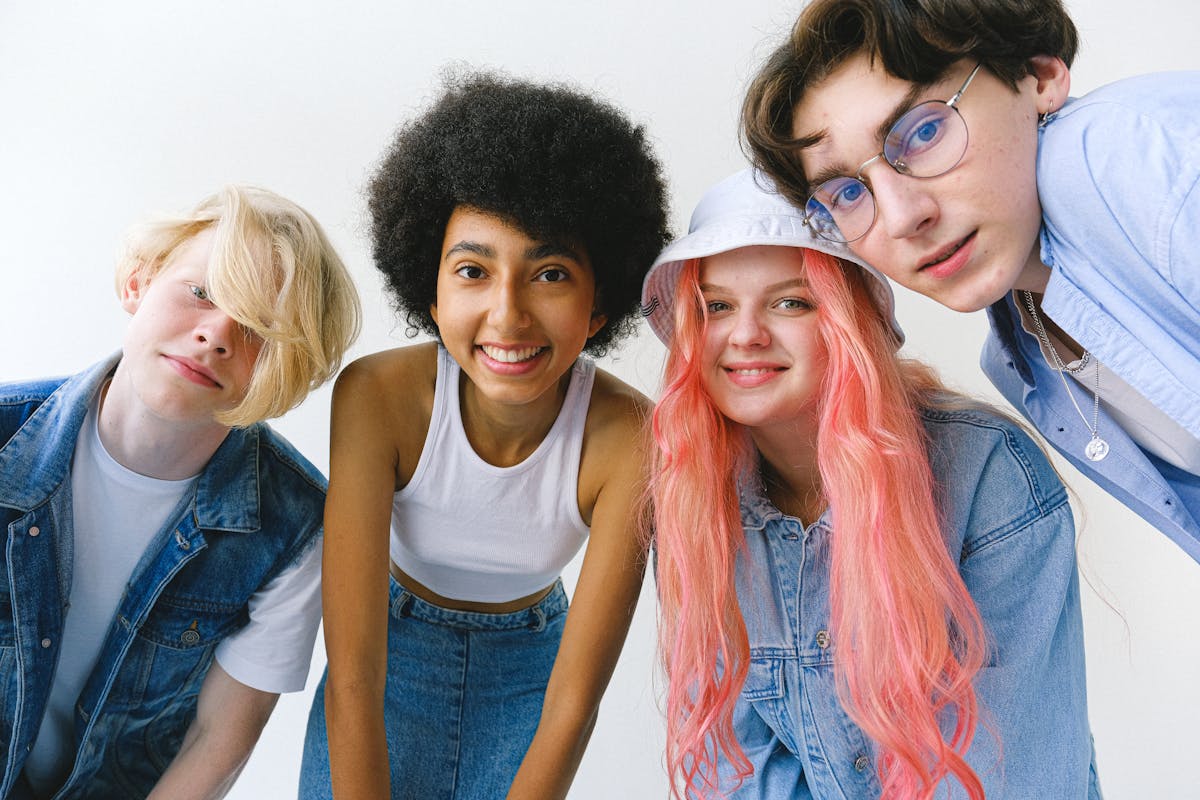
As more people rely on dating apps, offline social skills are deteriorating. Making the leap from text to in-person interactions is difficult when your communication has been exclusively virtual. People often struggle to maintain eye contact, read body language, or navigate small talk in face-to-face conversations because they’ve become so accustomed to digital interaction.
Real-life interaction can feel awkward when you’re used to editing your responses and choosing when and where to reply. Dating apps give people control over their communication, which can make in-person conversation feel high-pressure. The transition from digital to real life can be challenging for many people.
Commitment Feels Like a Risk
Lastly, online dating has made commitment feel like a risk. With so many options available at your fingertips, it’s hard to imagine settling down with one person. The fear of missing out (FOMO) makes people hesitant to fully commit. This constant comparison and search for “better” options leads to half-hearted relationships where neither person is fully invested.
The fear of missing out is one of the biggest barriers to commitment. People are constantly comparing their partners to others, wondering if there’s someone better out there. This mindset makes it hard to settle down and truly invest in a relationship.
Conclusion
While internet dating can introduce you to people you might never meet otherwise, it’s also creating a new set of challenges that can harm relationships. From shallow swipes to ghosting, the emotional toll of online dating can wear people down. However, if you can approach online dating with intention, honesty, and patience, there’s still a chance for meaningful connections.