The Forgotten Foods of Texas: Dishes Younger Generations Have Never Tried
Texas food is usually introduced through familiar icons: barbecue, chili, breakfast tacos, chicken-fried steak, and smoked brisket. Yet the state’s culinary history is far broader than the foods that dominate restaurant menus and travel guides.
Look through historic cookbooks, family recipe collections, and the programs of Texas historic sites, and another version of the state’s cuisine emerges. It includes wild game, old-fashioned puddings, unusual salads, campfire breads, labor-intensive tortillas, and dishes cooks made with whatever was locally available.
Some of these foods survive in individual families or communities, so it’s impossible to say younger Texans have universally stopped eating them. Still, many are far less visible today than they once were. Their disappearance from everyday kitchens shows how quickly culinary knowledge can fade when recipes, ingredients, and techniques are no longer passed from one generation to the next.
When Wild Game Was Ordinary Food
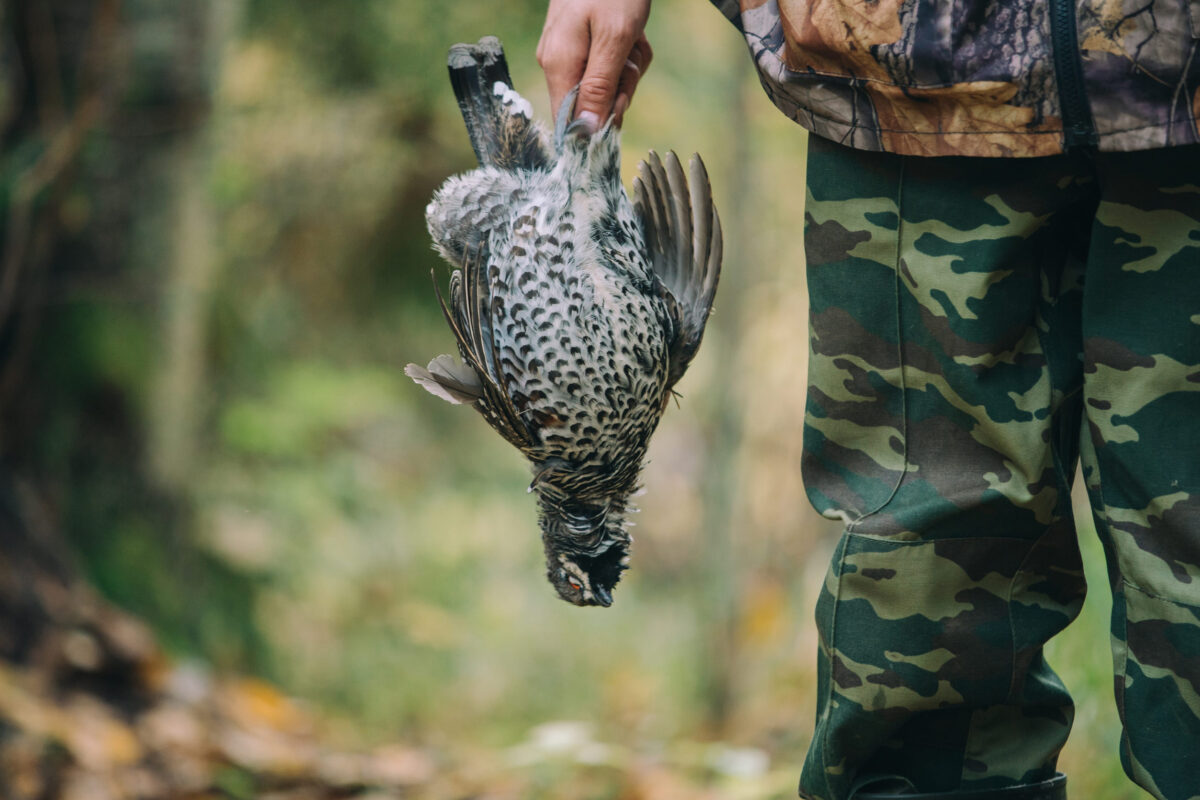
One major difference between modern Texas eating and that of earlier generations is wild game’s role.
According to the Texas Historical Commission, Texans during much of the 19th and early 20th centuries supplemented their diets with animals hunted locally. Possum, raccoon, squirrel, rabbit, and turtle could appear alongside larger game such as deer and javelina. A recipe for possum even appears in the commission’s recent historic cookbook.
For many modern diners, particularly those who buy nearly all their meat from supermarkets, such dishes may sound exotic. Historically, however, hunting was an important way of obtaining food. Eating wild game was often a practical response to geography, availability, and household economics.
The decline of these dishes also illustrates a broader change in American food culture. Refrigeration, industrial meat production, supermarkets, and changing tastes have separated many consumers from the seasonal and local sources that once determined what went into the cooking pot.
Related article: the-best-cuisines-in-the-world/
The Stews of Early Texas
Stews suited frontier cooking because you could combine ingredients in a single pot and stretch them into a substantial meal.
The Texas Historical Commission has reconstructed one striking example from the writings of Thomas Jefferson Green, who participated in the 1842 Mier Expedition. Its interpretation of a period stew combines beef, potatoes, onion, red chile, water, milk, and lard. The commission notes that donkey milk can make for a more historically authentic version, while its modern reconstruction also includes tomato, garlic, and Mexican oregano.
The value of recipes like this is not simply novelty. They reveal how Texans ate under conditions very different from those of a modern kitchen. Meals depended on preservation, improvisation, available livestock, local plants, and whatever supplies they could transport.
Cornbread Before the Boxed Mix
Cornbread has certainly not vanished from Texas, but the way it was once prepared is becoming less familiar.
At Fort McKavett State Historic Site, the Texas Historical Commission has demonstrated frontier-era cornbread cooked over a fire in a Dutch oven. The site’s interpretation emphasizes cornbread as an important source of sustenance for people living and working on the Texas frontier.
That cooking method matters as much as the recipe. Preparing bread outdoors with cast iron and fire requires knowledge of heat, timing, fuel, and equipment that a written ingredient list cannot fully capture.
When traditional cooking techniques disappear, preserving a recipe on paper is only part of the solution. Someone still has to know how the food was actually made.
Tortillas From Corn, Lime, Stone, and Time
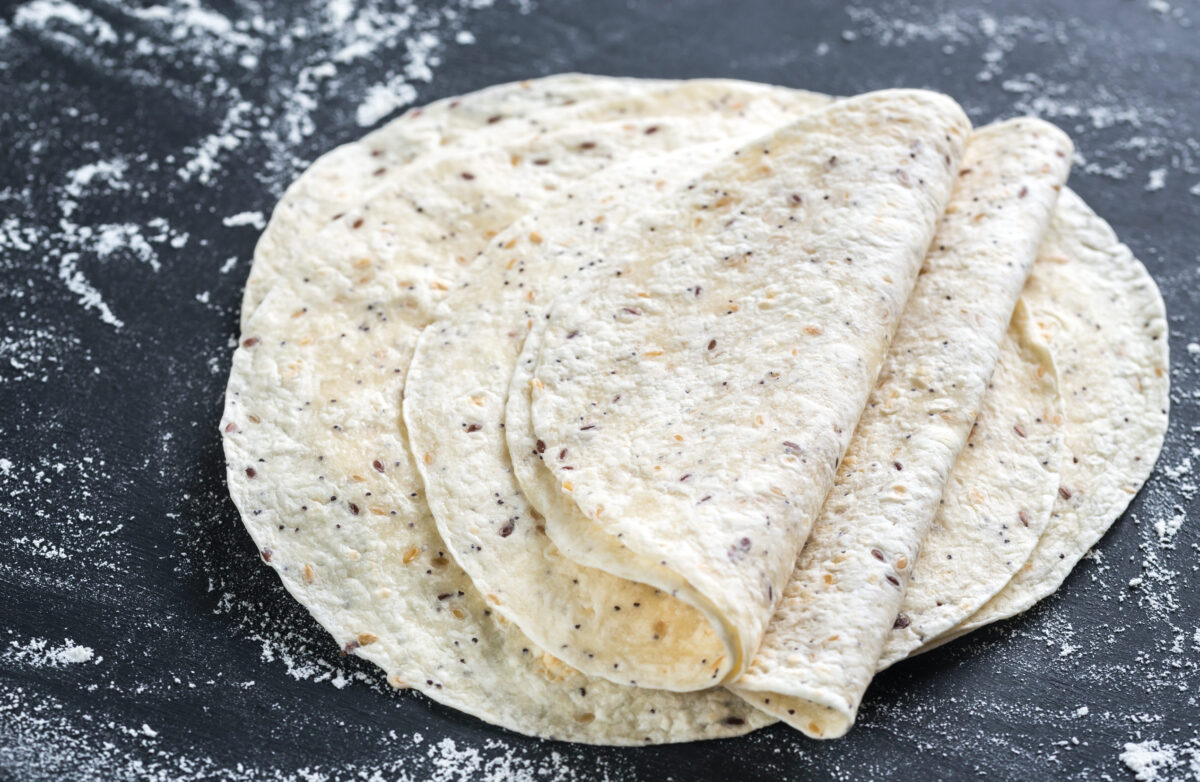
Few foods are more closely associated with Texas today than tortillas, but handmade corn tortillas historically required considerably more work than opening a package.
A Texas Historical Commission program at the San Jacinto Battleground describes how Mexican and Tejano women prepared corn by cooking or soaking it in alkaline water, a process known as nixtamalization. They could then grind the treated corn with a metate and mano before forming it into tortillas. The site notes that a metate and mano were found at the San Jacinto Battleground, evidence associated with the food preparation practiced by people accompanying the Mexican army.
Modern cooks can buy masa harina and make tortillas quickly. The older process, however, connects the finished tortilla to generations of Indigenous and Mexican food technology.
That distinction is important. Preserving traditional food is not just about preserving dishes. It is also about remembering the knowledge embedded in their preparation.
Coffee Jelly, Potato Biscuits, and the Changing Texas Table
Not every disappearing Texas food comes from the frontier.
Historic household cooking also included dishes that now sound surprisingly unfamiliar. Programs at El Paso’s Magoffin Home State Historic Site have recreated foods associated with earlier generations, including apple fritters, pumpkin soup, rice salad with cooked ham, coffee frappe, coffee jelly, savory potato biscuits, and a dish called 7 Cups Salad.
The site has also taught a pot roast recipe associated with Anne Buford Magoffin and published in the El Paso Cook Book of 1898.
These recipes are reminders that food fashions change. A dish once considered appropriate for a family meal, luncheon, or dessert course can quietly disappear as packaged foods, restaurant culture, new ingredients, and changing expectations reshape domestic cooking.
Preserving Recipes Before They Disappear
Fortunately, Texas institutions are actively preserving this culinary record.
In 2025, the Texas Historical Commission published A Culinary Journey Through Texas History: A State Historic Sites Cookbook. The 174-page collection draws on recipes connected with the commission’s 42 state historic sites and includes food from periods ranging from the Texas Revolution era to the 20th century. Researchers examined site archives, historical correspondence, and period cookbooks, while many recipes were tested through public programs and cooking demonstrations.
Another major preservation effort is underway at UT San Antonio Libraries. Its Mexican Cookbook Collection now contains more than 2,600 cookbooks in Spanish and English dating from 1789 to the present. The holdings include handwritten recipe books, regional publications, community cookbooks, and other records of Mexican and Mexican American culinary life.
Digitization is making that history considerably easier to reach. As of April 2026, UT San Antonio reported that more than 170 historic Mexican cookbooks had been digitized and placed online, including manuscripts and 19th-century publications.
The Texas Historical Commission is preserving food knowledge in another way: by cooking it. Historic sites continue to organize demonstrations, classes, tastings, and programs devoted to old recipes and techniques. Casa Navarro in San Antonio, for example, has used produce from an interpretive garden, along with research from historic cookbooks, to explore 19th-century Tejano foodways.
More Than Nostalgia
Saving an old recipe may seem like a small act, but recipes contain more than instructions. They record migration, agriculture, family life, technology, trade, economic circumstances, and cultural exchange.
Texas cooking developed through the traditions and ingredients of Indigenous peoples, Mexicans and Tejanos, Europeans, Africans, and many later communities. Preserving older dishes makes that complexity harder to forget.
The future of these foods does not depend on everyone returning to 19th-century cooking. It depends on keeping the knowledge accessible. A handwritten recipe can be digitized. A forgotten technique can be demonstrated. A family dish can be written down before the person who makes it is gone.
Sometimes the most effective way to preserve history is to cook it again.
Other articles you may like:
–as-england-bans-fried-foods-in-schools-to-curb-obesity-america-turns-to-glp-1s-for-teens/
– 5-protein-packed-foods-that-make-meatless-dinners-feel-like-a-real-meal/
– why-more-americans-are-swapping-takeout-runs-for-homemade-midday-meals/