A Cheese Recall Has People Checking the Fridge Twice: What to Know Before Your Next Snack
That innocent-looking block of cheese in the refrigerator may be worth a second look before you take another bite.
Few foods are more ordinary than cheese, which is exactly why this latest recall is getting attention. Sierra Nevada Cheese Company has recalled all Graziers Raw Milk Cheese currently on the market because of possible contamination with E. coli O26:H11. The products were distributed nationwide, and the recall is connected to a multistate outbreak that has already sickened 13 people.
What Makes This Recall Different?
This is not a simple “check one expiration date and move on” recall.
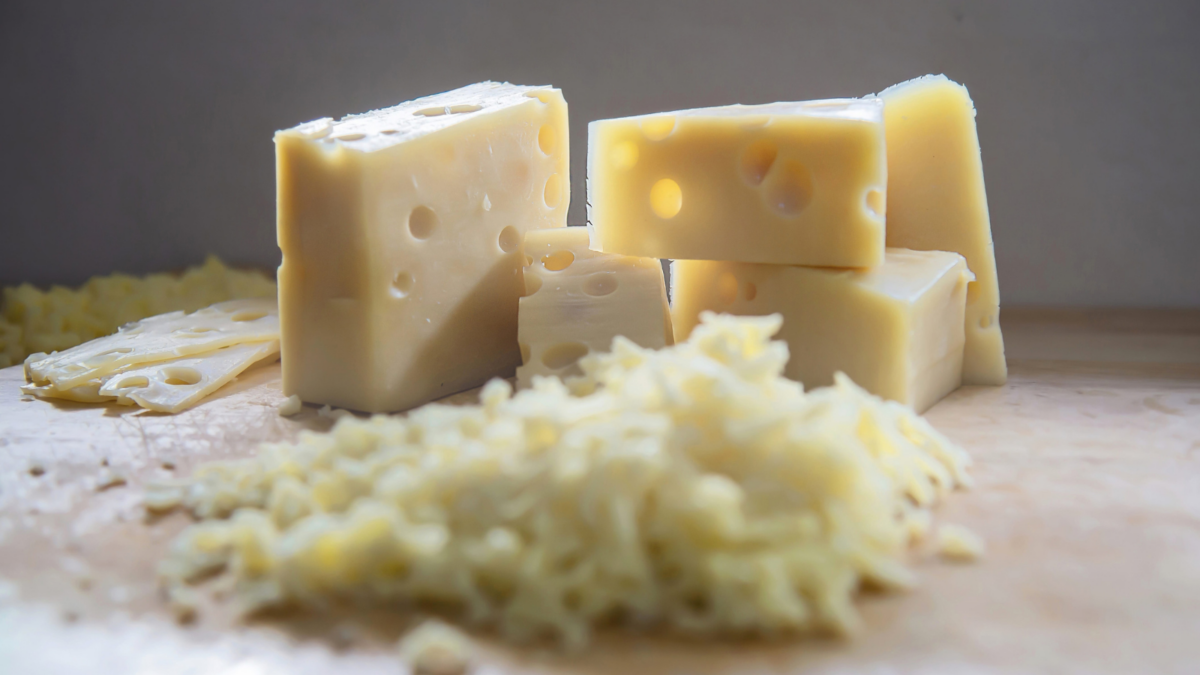
Because investigators have not narrowed the problem to one lot, date code, or production date, the company recalled all Graziers Raw Milk Cheese currently in distribution. The affected products include Monterey Jack, Jalapeño Jack, Medium Cheddar and Sharp Cheddar, sold in retail packages as well as larger food-service and wholesale formats.
The FDA advises consumers not to eat, sell, or serve the recalled cheese and recommends checking refrigerators and freezers because the products have a long shelf life. The Charlotte Observer’s report has also brought attention to the recall among North Carolina shoppers.
Why Officials Are Taking It Seriously
The numbers behind this recall make the story more than an ordinary grocery-store notice.
The outbreak investigation has identified 13 illnesses across nine states. Eight people have been hospitalized, while three have developed hemolytic uremic syndrome, a serious complication that can affect the kidneys. The CDC reports that more than half of those sickened are children age five or younger.
Another striking detail: public health officials interviewed nine people who became sick, and all nine reported eating Sierra Nevada Cheese Company’s Graziers raw milk cheese. Laboratory testing also found that bacteria from patients were closely related genetically, supporting the investigation into a common source.
And This Is Where Raw Milk Matters
The recall also puts a familiar food choice—raw milk cheese—under a much brighter spotlight.
Raw milk cheese is made with unpasteurized milk, meaning it does not receive the same heat treatment used to eliminate harmful bacteria from pasteurized milk. That does not mean every raw milk cheese is contaminated, but it does explain why regulators pay particular attention when a dangerous foodborne pathogen is suspected.
In this case, the investigation remains active. The FDA says officials are still working to determine the source of contamination and whether other products could potentially be affected.
What Should You Actually Do?
If you find Graziers cheese in your refrigerator, this is one of those times when “I’ll just eat it quickly” is not a good strategy.
The FDA says consumers should throw recalled cheese away or return it to the place of purchase for a refund. If it was stored without its original packaging and you cannot determine whether it is part of the recall, the agency recommends throwing it away.
Also clean and sanitize cutting boards, containers, refrigerator surfaces, and other items that may have touched the cheese. Anyone who ate recalled cheese and develops symptoms associated with E. coli infection should contact a healthcare professional.
Related: 10 Quirky, but Necessary, Food Safety Rules of the Past
The Bigger Food Lesson Hiding in the Recall
Food recalls have a funny way of turning an everyday refrigerator into something you suddenly want to inspect very carefully.
One day cheese is simply cheese; the next, you’re turning packages around and reading labels you normally ignore. That extra attention can be useful beyond recalls, too. Cheese boards often bring together berries, nuts, and other everyday foods featured in these surprising superfoods that can support energy and mood.
Most importantly, this recall concerns specific Graziers raw milk cheeses—not cheese as a whole. The FDA’s recall notice provides the product details, while the CDC’s outbreak investigation explains what health officials currently know.
What Makes This Story Worth Remembering?
Sometimes the most useful food-safety habit is simply remembering that yesterday’s groceries can become today’s news.
The affected cheese has a long shelf life, which is why officials are specifically telling consumers to check refrigerators and freezers. For now, the investigation remains open, so checking recalls, keeping product packaging, and cleaning food-contact surfaces are small habits that can make a real difference.
And food stories often remind us that ordinary staples can raise surprisingly complicated questions, much like coffee and kidney health do in another part of everyday food culture.
So, the next time you reach for cheese, will you check the label first—or are you the person who only notices a recall after the news makes you look twice?