8 Trader Joe’s Shopping Policies Worth Knowing Before Your Next Trip
You find a Trader Joe’s product online, add it to a shopping list, and assume the next step is checkout. Or you spot a digital gift-card offer and wonder whether it would make an easy present.
At this grocery chain, those familiar shopping shortcuts do not necessarily work.
Trader Joe’s operates differently from supermarkets built around weekly specials, loyalty accounts, and delivery orders. Some differences affect how you buy groceries. Others matter when you are choosing a gift or checking whether an online seller is connected to the company.
The policies are published, not secret. But they are easy to overlook when the shopping trip revolves around finding dinner and getting through checkout. These eight points clarify what the company offers, what it does not, and where individual stores can differ.
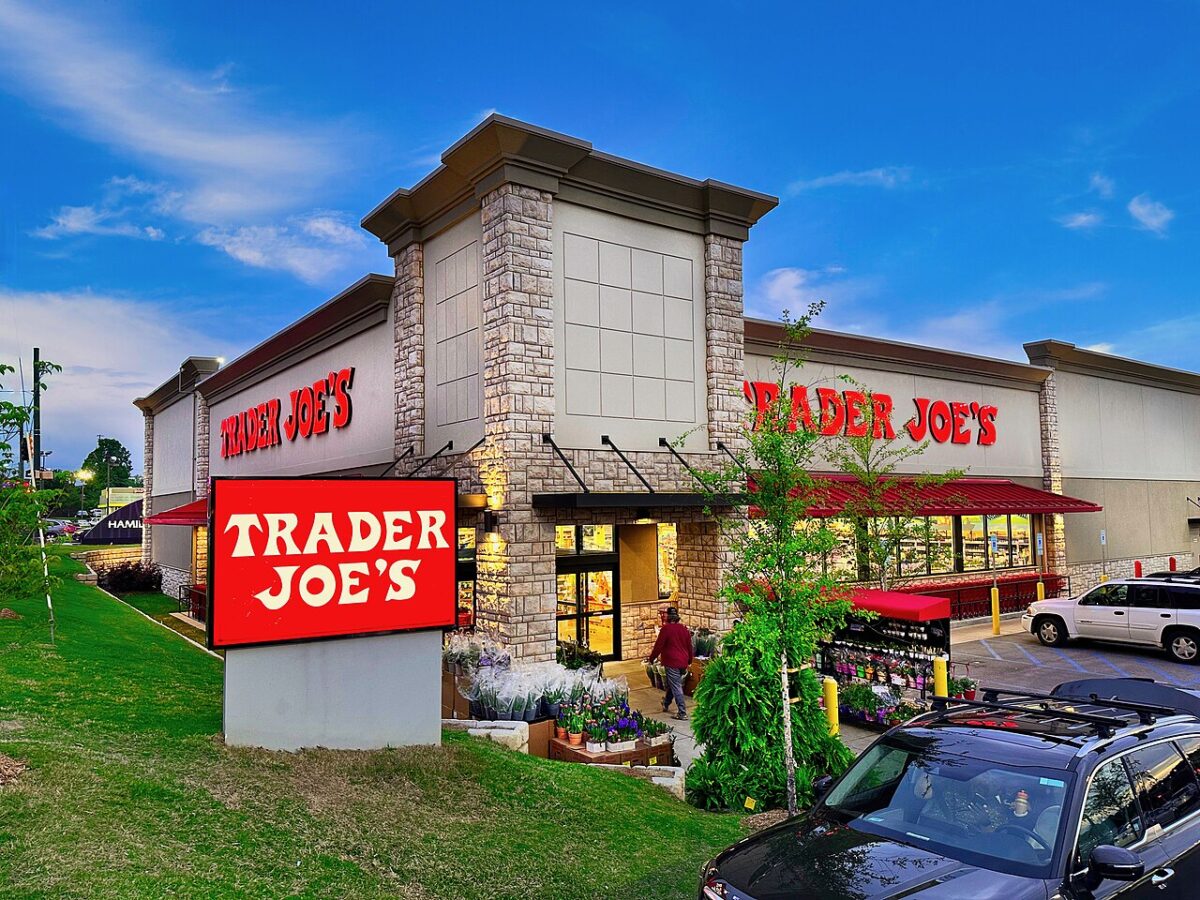
The website is not an online grocery store.
Trader Joe’s does not sell its products online. Its website can help you explore products and build a shopping list, but it does not function as a grocery checkout.
The company’s general FAQ states that it sells products, including gift cards, only in its physical stores.
That distinction matters when a product page appears in search results. Finding an item on the company’s website doesn’t mean you can order it there or reserve it for pickup.
Use the site as a planning resource, then contact your local store to confirm availability before you go.
There is no official curbside pickup or delivery
Trader Joe’s also says it does not offer curbside pickup or delivery and does not work with third-party delivery services such as Instacart or Dumpling.
That is separate from the lack of online checkout. The company is not offering a phone-order pickup system or an official delivery partnership as an alternative.
If someone advertises a service that shops at Trader Joe’s on your behalf, do not assume it is operated, endorsed, or supported by the retailer. The company’s stated arrangement remains an in-store shopping model.
For a time-sensitive meal plan, make sure someone can visit the store rather than relying on the delivery options available at other supermarkets.
Gift cards must be physical cards
Trader Joe’s issues and accepts physical gift cards in its stores. It does not issue or accept printable or digital versions.
That makes the gift-card format important, not merely a matter of preference. An emailed code presented as a Trader Joe’s gift card is not equivalent to the physical card the company sells.
If you are buying one as a present, plan for an in-store purchase. If you receive a supposed digital card, check the company’s published policy before relying on it for groceries.
The policy also applies at redemption: the company specifies physical cards, not a printable substitute.
Related: Popular Potato Chips Recalled Nationwide After FDA Issues Highest Risk Warning
aca09595/ 123RF
Weekly sales are not part of the model
Trader Joe’s says it does not run sales or weekly specials. Its pricing approach is based on everyday prices rather than a rotating promotional calendar.
The company’s About Us page repeats that it does not have sales or offer coupons.
That does not establish that every item is cheaper than a comparable product elsewhere. It simply describes how the retailer structures its pricing.
For shoppers, the practical difference is that waiting for a weekly advertised sale is not the same strategy here as it may be at another grocery store. Compare the actual shelf price rather than looking for a sale badge.
There is no loyalty program to join
Trader Joe’s does not offer a loyalty program or membership card. Its published policy does not require shoppers to enroll in an account to access a member price.
You can’t build a company rewards balance through grocery purchases, and you don’t need to remember a membership barcode at checkout.
This is distinct from the absence of sales. A store could offer everyday pricing and still run a points program; Trader Joe’s says it does not.
If someone sends you an invitation to join a supposed Trader Joe’s rewards scheme, verify it against the company’s own information rather than treating the familiar name as confirmation.
Online discount promotions are not company offers
Trader Joe’s says it does not offer special online promotions featuring coupons, discounts or gift-card offers. It also warns that other organizations have used its name in connection with such promotions without an association with the company.
The useful distinction is between a legitimate physical gift card and an online promotion claiming to award one. The first is a product the retailer sells in stores. The second should not be assumed to come from Trader Joe’s.
Before submitting information to claim a discount, check the offer against the company’s published guidance. Branding and a recognizable product photograph do not prove affiliation.
Online resellers are not authorized sellers
A Trader Joe’s item listed on an online marketplace is not necessarily counterfeit, but it is not being sold through an authorized Trader Joe’s online channel.
The company states that there are no authorized online sales of its products and that customers buying them online are not buying directly from Trader Joe’s.
That separates the seller from the manufacturer or retailer whose name appears on the package. Don’t assume an online listing has the same purchasing arrangement as an in-store transaction.
Check the seller’s terms, price, and fulfillment details rather than assuming they’re from Trader Joe’s.
Alcohol availability varies by store
Not every Trader Joe’s sells the same categories of alcohol. State and local rules affect what a location can carry, so a wine or spirits selection at one store doesn’t determine what another sells.
Food & Wine’s guide to Trader Joe’s alcohol availability recommends checking the individual store’s webpage to see whether it lists beer, wine, or spirits.
This is a location-specific limitation, not a single nationwide assortment policy. Check the store you intend to visit before planning a purchase.
Knowing these differences will not change every grocery trip, but it can help you avoid a wasted journey or a misleading offer. Could a little less time navigating shopping assumptions leave more time for the part that matters: deciding what you want to cook?