8 Home Upgrades That End Up Costing More Than They’re Worth
Home upgrades can feel exciting at first. A new feature, a fresh design, or a luxury touch can make a house feel more expensive overnight. But some upgrades look better in your imagination than they do in your budget. They cost too much, demand constant maintenance, and rarely add enough value when it is time to sell.
The smartest homeowners know that not every improvement is an investment. Some projects quietly drain money while pretending to improve comfort. Before spending thousands on a trendy renovation, it helps to know which upgrades often fail to pay back what they cost.
Luxury Swimming Pools
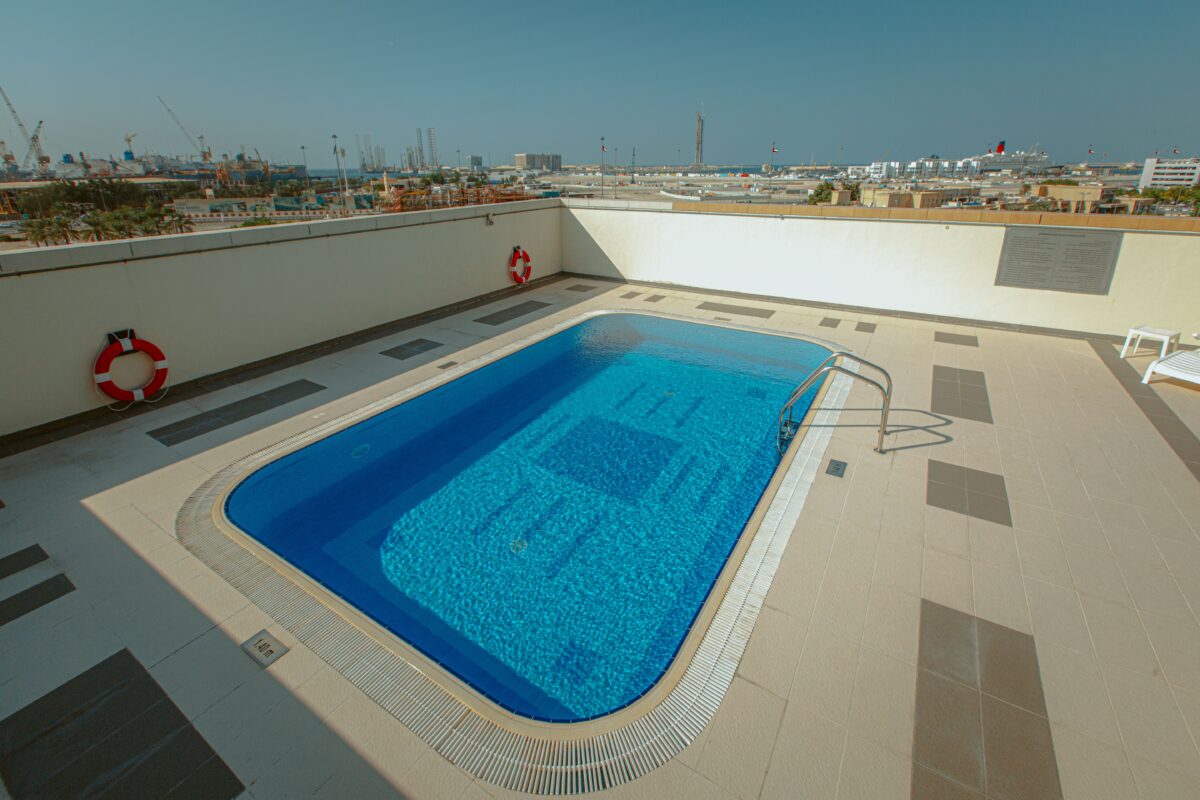
A swimming pool sounds like the ultimate backyard dream, but it often becomes a very expensive responsibility. Installation can cost a fortune, and the spending does not stop there. Cleaning, chemicals, repairs, heating, insurance, and safety fencing can turn the pool into a yearly bill that never takes a break.
Many buyers also see pools as a problem, especially families with small children or people who do not want extra maintenance. Instead of increasing the home’s appeal, a pool can narrow the number of interested buyers. Unless you truly plan to use it often, this upgrade can become a beautiful money pit.
High-End Kitchen Remodels
A new kitchen can make a home feel fresh, but a luxury kitchen remodel can easily go too far. Custom cabinets, imported stone, designer appliances, and premium lighting can push the cost much higher than expected. The problem is that buyers may not value those expensive details as much as the homeowner does.
A clean, modern, practical kitchen usually works better than an over-the-top one. When the design becomes too personal or too costly, the return can shrink fast. A smart refresh often beats a full luxury remodel.
Wall-to-Wall Carpeting
Carpet can make a room feel warm, but wall-to-wall carpeting is not always a smart upgrade. It stains easily, traps dust, holds odors, and wears down in busy areas. For families with pets, children, or allergy concerns, carpet can become more of a burden than a benefit.
Many buyers now prefer hardwood, vinyl plank, tile, or other easy-to-clean flooring. New carpet may look nice for a short time, but it can quickly lose its appeal. In many homes, it is one of the first things new owners want to remove.
Built-In Aquariums
A built-in aquarium looks dramatic, stylish, and expensive. That is also the problem. It requires special cleaning, water care, lighting, filtration, repairs, and constant attention. What starts as a beautiful design feature can turn into a demanding hobby built into your wall.
Buyers may admire it during a showing, but many will worry about the upkeep. If they do not want fish or maintenance, they may see the aquarium as something they need to get rid of. That makes it a risky upgrade with limited resale appeal.
Overly Fancy Landscaping

Beautiful landscaping can improve curb appeal, but complicated landscaping can become a costly headache. Exotic plants, water features, stone paths, lighting systems, and custom garden designs can require regular care and expensive maintenance. A yard that looks stunning in photos may become exhausting in real life.
Most buyers want a yard that looks neat and easy to manage. If the landscaping feels too demanding, it can scare people away. Simple, clean, healthy outdoor spaces usually offer better value than a high-maintenance garden that needs constant attention.
Home Theater Rooms
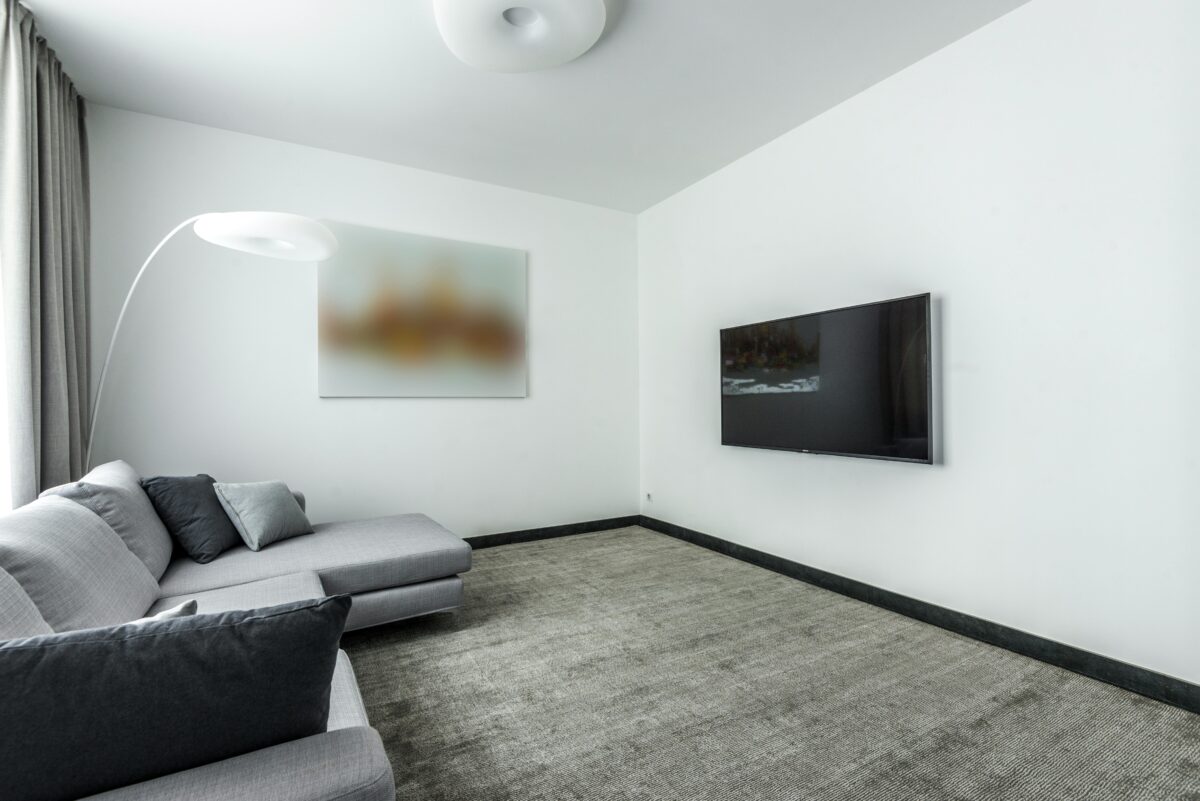
A home theater sounds impressive, especially with recliner seats, surround sound, dark walls, and a huge screen. But dedicated theater rooms are very personal. Not every buyer wants a room that can only be used for watching movies.
Technology also changes quickly, which means today’s expensive setup can feel outdated in a few years. A flexible family room often adds more value than a specialized theater space. If the room cannot easily serve another purpose, it may cost more than it gives back.
Garage Conversions
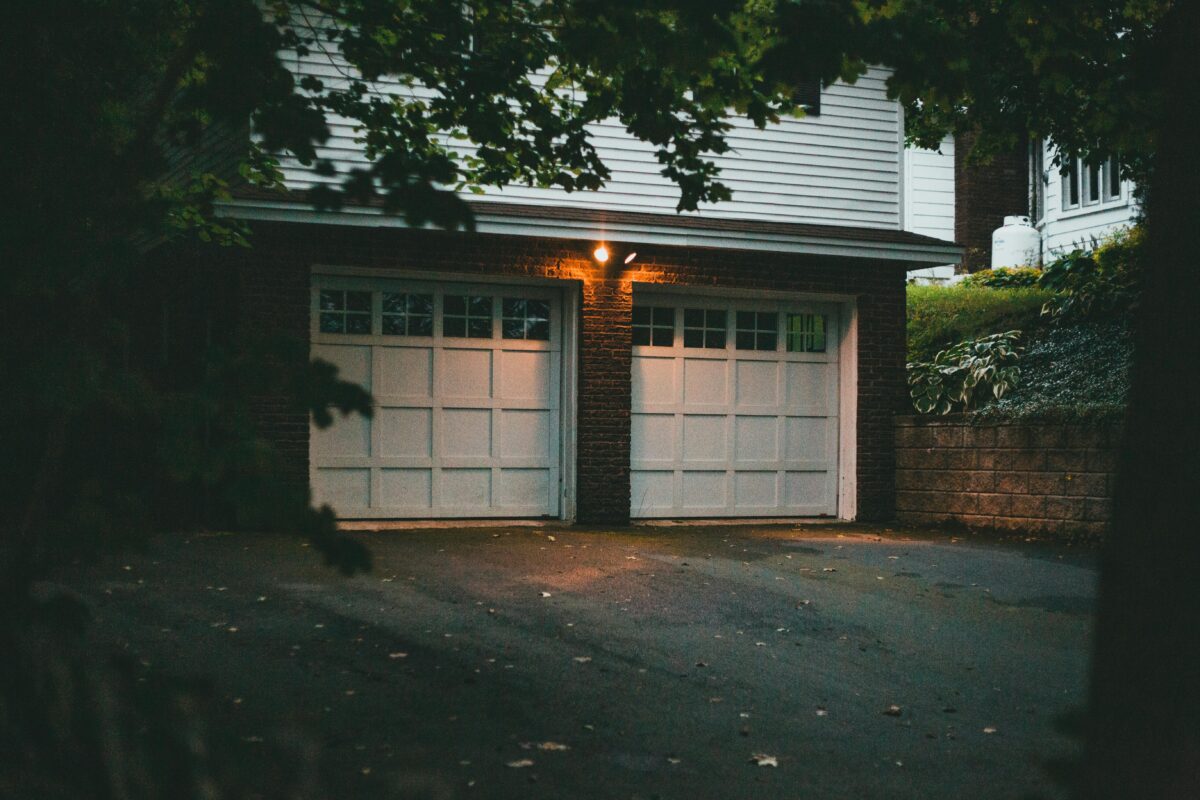
Turning a garage into a bedroom, office, gym, or living area can seem like a clever way to gain space. But losing a garage can hurt a home’s value, especially in neighborhoods where buyers expect covered parking and storage. Many people still want a secure place for cars, tools, bikes, and seasonal items.
A garage conversion may help your current lifestyle, but it can weaken resale appeal. If the work is poorly done or lacks permits, the problem becomes even bigger. Extra living space is helpful only when it does not remove something buyers truly want.
Expensive Smart Home Systems
Smart home features can be useful, but expensive whole-home systems can quickly become outdated. Built-in speakers, complicated security systems, smart lighting, automated blinds, and connected appliances may impress some people. Others may see them as confusing, unnecessary, or difficult to maintain.
Technology changes quickly, and not every buyer wants to learn a complex system just to live in a house. Simple smart upgrades, like a good thermostat or video doorbell, usually make more sense. When the technology becomes too expensive or too complicated, it can lose its value quickly.
Conclusion
Home upgrades should make life better, not just make a house look impressive for a short time. The most expensive projects are not always the smartest ones. A good upgrade should be useful, practical, easy to maintain, and appealing to a range of buyers.
Before spending big money, ask yourself one honest question: Will this upgrade still feel worth it five years from now, or will it become another expensive regret?