Colombia Earthquake Tragedy: The Race Against Time as Rescue Crews Search for Survivors Beneath the Rubble
The shaking lasted only moments, but the devastation left behind could take years to overcome. Across Colombia, rescue workers are digging through collapsed buildings, families are waiting for answers, and entire communities are facing the terrifying reality of rebuilding after a powerful earthquake turned ordinary neighborhoods into disaster zones.
A major earthquake struck western Colombia, leaving behind a trail of destruction that affected homes, businesses, and public infrastructure. The disaster caused deaths, injuries, and building collapses, forcing emergency teams into a race against time as reports emerged of people trapped beneath debris.
While the first images showed cracked roads, damaged buildings, and frightened residents gathering outside their homes, the deeper story was unfolding beneath the rubble. Every collapsed structure represented a family, a workplace, or a community space suddenly transformed into a rescue mission.
For survivors, the earthquake was not only about what fell. It was about what remained uncertain: Who was safe? Who was missing? And how would communities recover after the ground stopped moving?
The First Hours Became a Battle Against Time
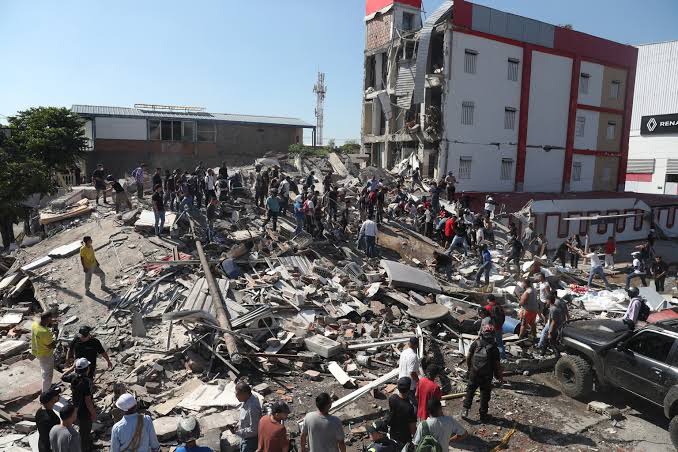
In the aftermath of a powerful earthquake, the most critical moments are often the hours immediately after the destruction begins.
Emergency crews across Colombia moved quickly after the earthquake, searching damaged structures for signs of life. Firefighters, police officers, medical workers, and volunteers entered dangerous areas where buildings had become unstable, knowing that every rescue attempt carried its own risks.
The challenge was enormous. Collapsed concrete, broken infrastructure, and damaged roads slowed access to some areas, while rescuers had to navigate structures that could shift without warning carefully.
For families waiting nearby, the rescue operation became an emotional test of patience. Many stood outside damaged homes or gathered near emergency centers, hoping for news about relatives who had not returned.
The work required more than equipment. It required coordination, experience, and determination from people who were willing to enter dangerous environments while others were trying to escape them.
Natural disasters often reveal the strength of communities, and Colombia’s response showed how neighbors, emergency workers, and volunteers can become a lifeline during the darkest moments.
The Danger Did Not End When the Ground Stopped Moving
For many survivors, the earthquake was only the beginning of the crisis.
One of the greatest challenges after a major earthquake is that the danger continues even after the first wave of shaking ends. Damaged buildings can collapse later, aftershocks can create new threats, and communities can struggle with shortages of necessities.
Authorities urged residents to remain cautious around weakened structures and avoid returning to buildings that may no longer be safe. For people who lost homes or were forced to evacuate, finding shelter became an immediate concern.
Hospitals and emergency services also faced pressure as they worked to treat injured residents while preparing for additional needs. In disaster situations, medical teams often deal with not only physical injuries but also the emotional trauma caused by sudden loss and uncertainty.
The earthquake also disrupted daily life. Businesses faced damage, transportation routes were affected, and families who depended on local jobs suddenly found themselves dealing with a new financial reality.
The recovery process will require more than removing rubble. It will involve restoring homes, repairing infrastructure, supporting businesses, and helping residents regain a sense of normal life.
Why Colombia Remains Vulnerable to Powerful Earthquakes
The disaster has renewed attention on the earthquake risks faced by communities located near active seismic zones.
Colombia sits in a region where tectonic plate movement creates ongoing earthquake risks. While scientists can study earthquake patterns and improve preparation methods, earthquakes remain impossible to predict with exact timing.
That reality makes preparation one of the most important tools for reducing the impact of future disasters.
Building standards, emergency training, public awareness, and disaster response systems all play a role in protecting communities. Stronger infrastructure can help reduce damage, while faster emergency coordination can improve survival chances after a disaster occurs.
For many Colombians affected by the earthquake, those discussions are no longer theoretical. They are connected to homes that were damaged, neighborhoods that were changed, and families that are now rebuilding their lives.
Beyond the Rubble: Colombia Faces the Long Road to Recovery
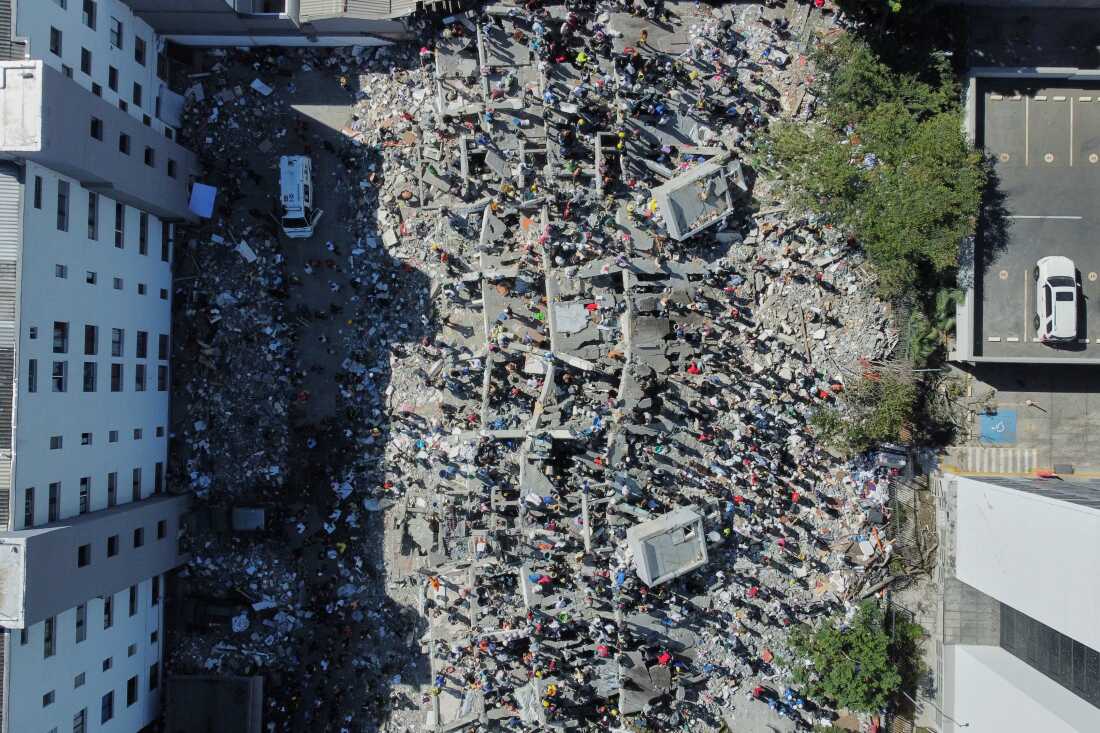
The search for survivors may dominate the first days after the earthquake, but the recovery journey will continue long after rescue teams leave.
Rebuilding after a major earthquake requires addressing both visible and invisible damage. Broken buildings can be repaired, but emotional scars and economic challenges often take much longer to heal.
Families who lost homes may need temporary housing. Business owners may need support to reopen. Communities may need help restoring schools, roads, and essential services.
The disaster also highlights the importance of community resilience. Around the world, earthquake recovery stories often show that rebuilding is not only about concrete and steel. It is about people helping one another, sharing resources, and finding ways to move forward after unimaginable disruption.
As Colombia continues responding to this devastating earthquake, the focus remains on saving lives, supporting survivors, and understanding the lessons that can prevent future tragedies from becoming even worse.
The earthquake may have changed the landscape of affected communities in seconds, but the determination of the people living there will shape what comes next.