10 Harsh Truths About Why Church No Longer Feels Like Home to Some Americans
For many Americans, Church used to smell like coffee in Styrofoam cups, old hymnals, carpet that had seen three generations of potlucks, and somebody’s grandmother handing out mints like a sacred calling.
It was Sunday shoes, youth group pizza, Vacation Bible School crafts, choir robes, Easter photos, Christmas candles, and the same people asking how your mother was doing before you even found a seat.
For some, that feeling is still there. For others, the building is the same, but the home feeling is gone.
They walk in and feel watched instead of welcomed. They hear politics where they expected prayer. They see old wounds no one wants to name. They sit in a pew and realize they are not angry at God so much as tired of the institution speaking for Him.
That is why the Church no longer feels like home to some Americans. The shift is not always loud. People do not always storm out. Sometimes they just stop attending.
They miss one Sunday, then another, then another, until the place that once shaped their life becomes a memory they drive past on the way to brunch.
The change is bigger than one congregation. The Christian share of U.S. adults has fallen sharply since 2007, though recent data suggests the decline may have slowed, with Christianity still representing the majority of U.S. adults today and religiously unaffiliated Americans making up a much larger share than in earlier generations.
Politics moved into the pulpit.
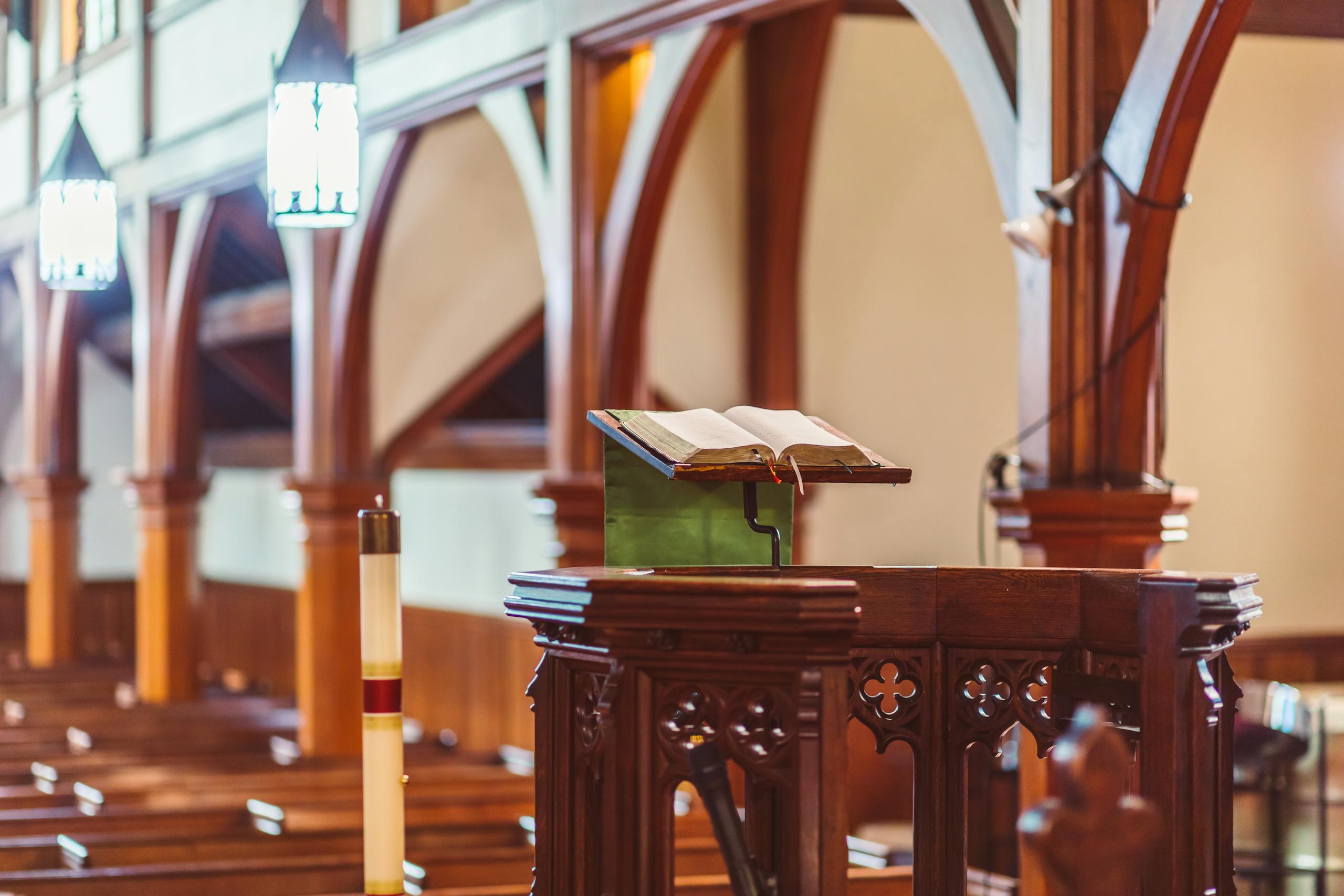
Church used to be one of the few places where people expected to hear about eternity more than they did in election season. That is not always how it feels now.
In some congregations, people hear sermons that sound like campaign speeches with Bible verses attached. They hear political labels used as moral shortcuts. They watch faith get tied to candidates, parties, flags, slogans, culture-war fights, and cable-news talking points.
For some members, this feels energizing. They believe faith should shape public life. For others, it feels like the sanctuary has been turned into another battlefield.
That tension is real. Recent polling shows Americans remain divided over whether Scripture should shape public law, with slightly more saying the Bible should have some influence on laws than those saying it should have little or no influence.
The problem is not that churches talk about moral issues. Faith has always shaped how people think about justice, family, money, power, and society. The problem begins when people feel they must accept a full political identity to belong spiritually.
A church stops feeling like home when worship becomes a loyalty test.
Scandals broke trust that sermons cannot quickly repair.
Trust is hard to rebuild once people believe the institution protected itself before it protected the vulnerable.
Many Americans have watched abuse scandals, financial misconduct, celebrity pastor collapses, cover-ups, and leadership hypocrisy unfold across churches and denominations. Even people who were never directly harmed can feel the weight of those stories.
The wound deepens when leaders ask for forgiveness without transparency. It deepens when victims are doubted. It deepens when reputation seems to matter more than repair.
That is where many people quietly disconnect. They may still believe in prayer. They may still believe in Scripture. They may still believe in God. But they no longer trust the people holding the microphone.
Institutional trust has been fragile for years, with only a minority expressing strong confidence in the Church or organized religion. That matters because the Church is not only a belief system. It is also a human institution, and people can lose trust in it even if they retain some part of the faith.
A sermon on forgiveness cannot erase the feeling that no one was held accountable.
Younger adults are not inheriting faith the way their parents did.
For older generations, the Church was often built into family life.
You went because your parents went. You sat where your family sat. You sang the songs that people before you sang. You learned the stories early and carried them into adulthood because that was the expected path.
That chain is weaker now.
Younger Americans have grown up with more information, more mixed-belief friendships, more online debate, more exposure to other religions, and more freedom to question what they were handed. They can hear ex-believers, theologians, skeptics, pastors, historians, and people from entirely different faiths before breakfast.
That does not always make them anti-religious. It often makes them less automatic.
Many are asking harder questions. Why does this Church believe this? Why did nobody explain that? Why are some doubts treated like rebellion? Why does my friend feel unwelcome here? Why does the community talk about love but act afraid of difference?
Recent religion data shows that the unaffiliated share remains large, with roughly three in ten Americans identifying with no religious tradition. That kind of shift changes the family script.
For many younger adults, Church no longer feels like home because home is where questions should be safe.
People feel judged before they feel known.

A church can preach grace and still feel cold. Someone walks in divorced, single, gay, child-free, broke, grieving, addicted, doubting, depressed, pregnant, politically different, or simply exhausted.
They do not need everyone to agree with their life. They need to feel like they are more than a problem to be corrected. Too many people feel the correction before they feel the care.
They hear comments about their clothes, relationship status, parenting, voting choices, body, past, or family situation. They sense who is considered respectable and who is quietly treated like a project. They learn to edit themselves before anyone even asks how they are.
That kind of judgment does not always come from official doctrine. Sometimes it comes from side eyes, gossip chains, small-group comments, women’s ministry whispers, men’s ministry pressure, or the polite silence that falls when someone’s life does not fit the church brochure.
A church no longer feels like home when people feel they must be accepted before they can be honest.
Sunday attendance no longer fits modern American life.
Church used to sit at the center of many American schedules. Now it competes with everything.
Work schedules are less predictable. Kids have travel sports. Parents are exhausted. Weekends are packed with errands, second jobs, caregiving, homework, home repairs, and the only quiet morning people may get all week. Some families are simply too tired to turn Sunday into another obligation.
This does not mean Americans stopped caring about meaning. It means life changed around the church calendar.
Attendance patterns show the shift clearly: a majority say they seldom or never attend religious services, while a smaller share reports attending weekly or nearly weekly.
That creates a feedback loop. People attend less, so they feel less connected. They feel less connected, so they attend even less. Eventually, the Church becomes an event rather than a community.
Home is not built by occasional attendance. It is built through repeated presence. When modern life makes it harder to maintain that presence, the feeling of belonging weakens.
Some churches confused tradition with control.
Tradition can be beautiful. It can give people roots, memory, rhythm, and identity. It can connect a child in a pew to a great-grandparent who once sang the same hymn. It can make faith feel bigger than one person’s lifetime.
But tradition becomes heavy when it is used to shut down every question.
Some Americans grew up hearing, “We have always done it this way,” as if that settled everything. They watched leaders resist change, dismiss younger voices, shame new ideas, and treat curiosity as disrespect. They saw women, young adults, minorities, single people, divorced people, or working-class members expected to serve but not shape the room.
A church can love tradition without using it like a locked door.
The problem begins when people feel the past matters more than the people sitting in front of the Church right now. A congregation can honor its history and still ask whether its habits are helping people meet God or simply helping older members feel comfortable.
Church stops feeling like home when tradition becomes a wall instead of a table.
The community feels thinner than it used to
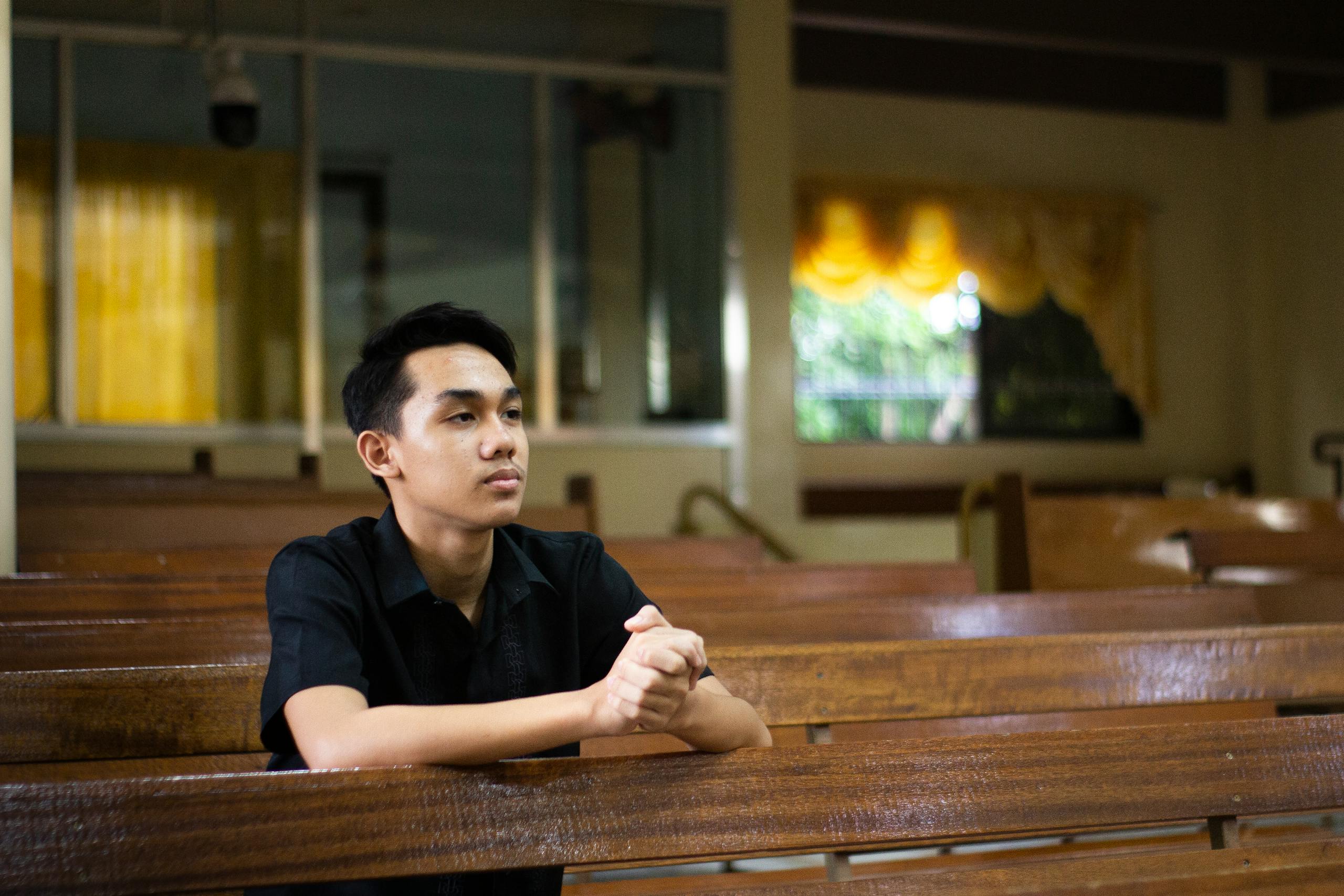
Many people not only miss the Church’s theology but also miss the village.
They miss casseroles after funerals, rides to appointments, youth group friendships, prayer circles, choir practice, small groups, Sunday school teachers, and someone noticing when they were absent. But in some churches, that community feels thinner now.
People are busier. Volunteers are tired. Programs have shrunk. Older members are aging. Younger families are inconsistent. Some congregations are trying to do more with fewer people, less money, and less energy.
Across the country, many churches are also facing difficult survival questions, with reports warning that thousands of congregations could close this year as attendance patterns and religious identity continue to change.
That loss is not just religious. It is social. In many towns, churches have also provided food pantries, childcare, meeting space, disaster relief, addiction support, and companionship for lonely people.
When that community weakens, people not only lose a Sunday routine. They lose one of the few places where someone might have noticed they were missing.
Mental health language exposed old wounds
Many Americans grew up in churches where pain was spiritualized too quickly.
Anxiety became a lack of faith. Depression became a failure to pray enough. Abuse became a marriage issue to quietly endure. Trauma became bitterness. Burnout became weakness. Doubt became rebellion. That language worked until it did not.
Now, more people have mental health vocabulary. They can name panic, trauma, manipulation, emotional neglect, shame, spiritual abuse, and coercive control. They can recognize when a church environment leaves them more afraid than healed.
That does not mean faith and mental health have to be at odds. Many churches offer real comfort, counseling referrals, support groups, grief care, and deep spiritual grounding. For many Americans, faith remains a lifeline.
The harsh truth is that some people left because their Church did not know what to do with pain unless it could turn it into a quick testimony.
A church no longer feels like home when people are expected to smile before they are allowed to heal.
Worship feels more like a performance than a presence.
Some Americans miss Church because it once felt simple. Not perfect. Not polished. Just sincere.
Now, some services feel highly produced. Lights, screens, cameras, branding, countdown videos, stage design, worship sets, social media clips, sermon series graphics, and carefully packaged emotional moments can make a church feel more like an event than a family.
Production is not automatically bad. Good music, clear sound, livestreams, and thoughtful planning can help people worship. The problem starts when people feel like spectators instead of participants.
A home is not a stage. A home is where people belong, even when they are not impressive.
When the Church starts feeling like a performance, some people wonder where the ordinary human mess went. They want prayer that does not feel scripted. They want a community that does not feel branded. They want worship that leaves room for silence, grief, awkwardness, and real life.
A polished church can still be powerful. But polish cannot replace presence.
People still want God, but not always the institution.
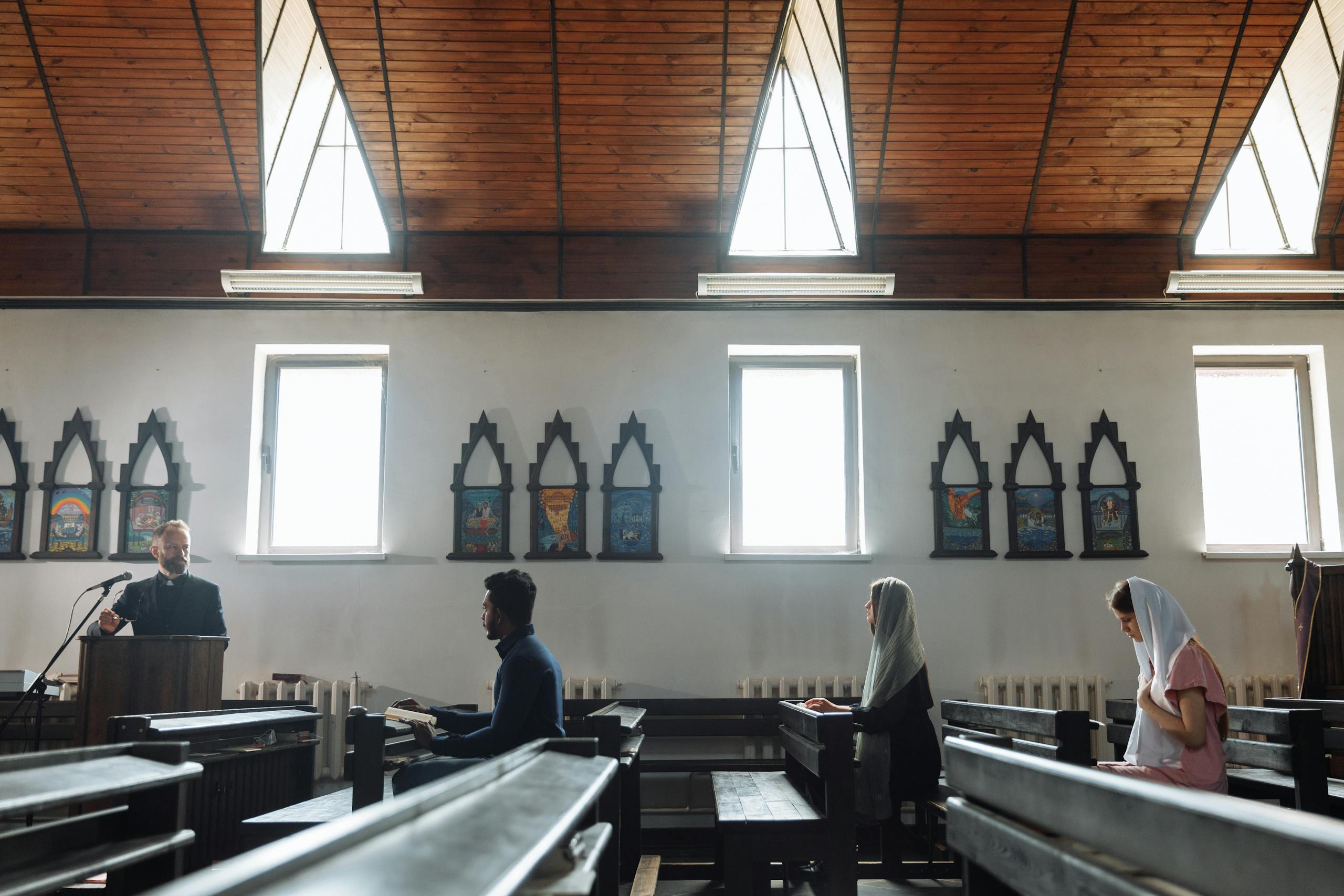
This may be the hardest truth for churches to accept. Some people who leave are not done with faith. They are done with the version of the Church they experienced.
They still pray in the car. They still read Scripture. They still believe in God. They still light candles, listen to worship music, serve others, wrestle with belief, or look for meaning in quiet places. They just no longer assume that formal church attendance is the only honest way to stay spiritually alive.
This is why the story is more complicated than decline.
Many Americans are not choosing emptiness. They are choosing distance from institutions they no longer trust, spaces where they felt judged, or communities that could not hold their questions. Some may return. Some may find different congregations. Some may build faith in less traditional ways.
Church no longer feels like home to them because home requires safety, truth, belonging, and room to breathe.
If the institution wants them back, guilt will not be enough. Neither will nostalgia. People are not looking for a perfect church. They are looking for one honest enough to stop pretending everything is fine.
Conclusion
The Church once felt like home to many Americans because it offered more than just sermons.
It offered belonging. It offered rhythm. It offered elders who remembered your name, meals when life fell apart, songs that carried grief, and a place to bring questions before the week began again. For some, that home still stands.
For others, the doors are open, but the welcome feels different. The sanctuary feels political. The community feels judgmental. The leadership feels distant. The silence around pain feels too loud. The old answers no longer hold the new questions. That is the harsh truth churches must face.
People are not always leaving because they have stopped caring about faith. Some are leaving because they care too much to keep pretending a place feels like home when it no longer feels safe, honest, or alive.
If the Church wants to feel like home again, it has to become more than a place people are told to attend.
It has to become a place where truth is not feared, pain is not rushed, questions are not punished, politics do not replace worship, and people are known before they are corrected.
That kind of Church may not win everyone back. But it would at least give the word “home” a fighting chance.