Trump’s Election Crackdown Hits a Courtroom Wall as SAVE Act Fight Explodes
President Donald Trump’s push to reshape American election rules has run into a hard legal wall, and the timing could not be more explosive. With the 2026 midterm elections approaching, a federal judge in Boston has blocked key parts of Trump’s election executive order, ruling that the White House cannot take control of rules that the Constitution leaves to Congress and the states.
The ruling immediately turned a technical fight over voter lists, mail ballots, and citizenship verification into a national political battle. To Trump and his allies, the order was about protecting elections from illegal voting. To Democratic state officials and voting rights groups, it was a dangerous power grab that could confuse voters, burden local election offices, and shut eligible Americans out of the ballot box.
A Judge Draws a Bright Constitutional Line
U.S. District Judge Indira Talwani blocked Trump’s March 2026 executive order, which directed federal agencies to help create state citizenship lists and pushed new restrictions on who could receive mail ballots. The order also directed the U.S. Postal Service to work toward rules that could limit ballot delivery to voters appearing on approved lists.
Talwani’s message was simple but powerful: presidents do not run elections by executive order. American elections have traditionally been handled by states and local governments, with Congress holding limited oversight power. The court found that Trump went beyond enforcing existing law and instead tried to write new election rules from the Oval Office.
That distinction matters. A president can direct agencies to enforce existing laws. But judges have now repeatedly questioned whether Trump’s election orders crossed into lawmaking, which is Congress’s role.
Why the Mail Ballot Fight Matters
The blocked order was not just about checking citizenship. It also targeted mail voting, one of the most important methods of voting in modern American elections. Under the order, federal agencies would have helped compile lists of confirmed citizens, while the Postal Service would have been directed to handle ballots only for voters on approved state lists.
Supporters saw that as a safeguard. Critics saw chaos waiting to happen.
Mail voting depends on timing, accuracy and trust. If a voter’s name is missing from a federal list because of outdated records, privacy limits, or clerical errors, that voter could face confusion or delays. In close races, even small administrative breakdowns can become political firestorms.
The court appeared especially concerned that federal citizenship lists would not be sufficiently complete to bear the weight Trump sought to place on them. That is a major problem when the right at stake is the right to vote.
The SAVE Act Becomes the Next Battlefield
The court ruling also feeds directly into Trump’s larger push for the SAVE Act, short for the Safeguard American Voter Eligibility Act. The measure would require people to show documentary proof of citizenship when registering to vote in federal elections.Concept of problems with justice during the covid19 pandemic in america, background with flag.
Trump has pushed hard for the bill, arguing that stronger verification is needed to restore confidence in elections. His allies say Americans should not have to wonder whether only citizens are voting. That message has a strong appeal among Republican voters who believe election security should be tightened before the midterms.
But the bill has stalled in the Senate, where the filibuster remains a major obstacle. Trump has urged Republican senators to end the filibuster to move the bill forward. That raises the stakes beyond voting rules. It turns the fight into a test of Senate power, party discipline, and how far Republicans are willing to go to deliver Trump’s election agenda.
The Citizenship Proof Problem
On paper, proof of citizenship sounds simple. In real life, it can get messy fast.
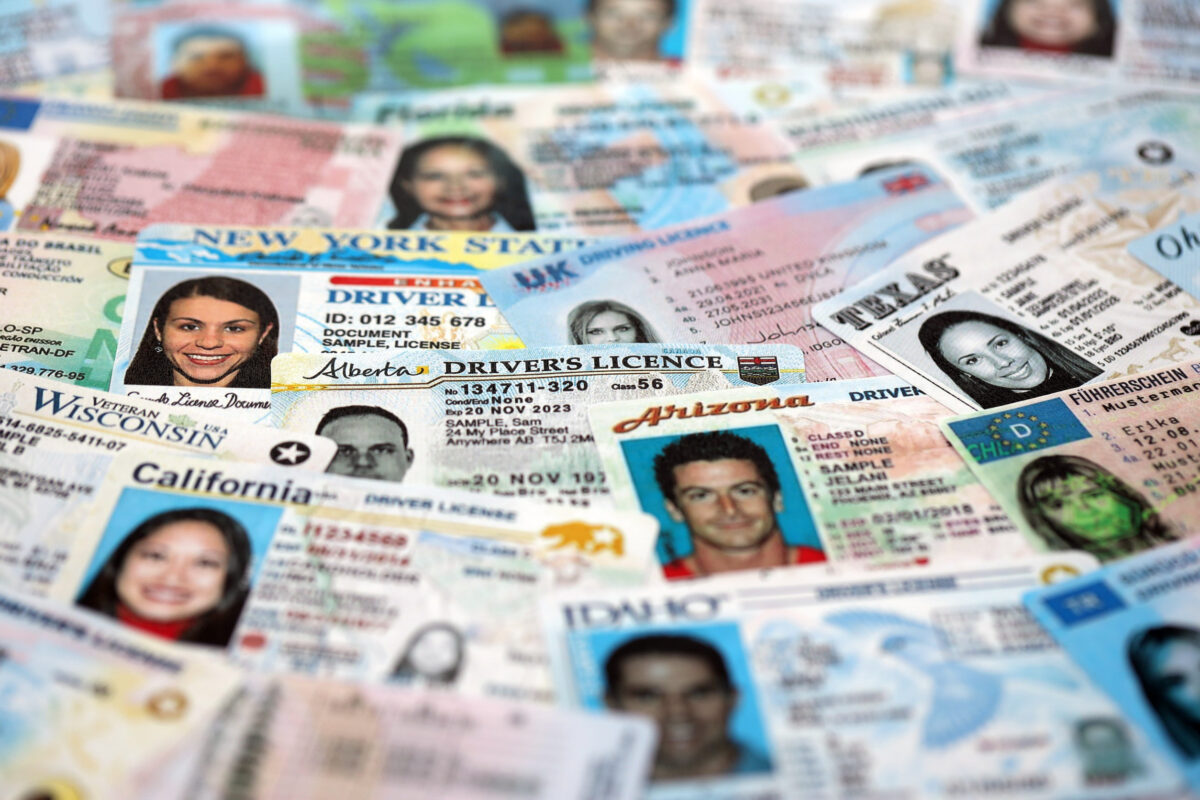
Millions of eligible Americans lack easy access to passports, birth certificates, or up-to-date documents. Older voters, married women who changed their names, rural residents, military families, low-income voters, and naturalized citizens can all face documentation hurdles. A rule meant to catch ineligible voters can also trap eligible ones in red tape.
That is why courts and voting rights groups have focused not only on Trump’s goal but also on the policy’s practical effect. Noncitizen voting in federal elections is already illegal. People registering to vote must already affirm that they are citizens, and false registration can incur serious penalties. The legal question is whether the president can unilaterally add a tougher national documentation rule without Congress.
So far, federal courts have been skeptical.
Another Ruling Deepens Trump’s Setback
Talwani’s decision came right after another Boston federal judge, Denise Casper, permanently blocked most of Trump’s earlier election executive order from 2025. That order sought documentary proof of citizenship for voter registration, stricter mail ballot deadlines, and pressure on states through federal funding.
Together, the rulings paint a clear legal pattern. Courts are not saying election integrity is unimportant. They are saying the president cannot bypass the constitutional structure to impose nationwide election rules on their own.
That is the real heart of the story. This is not only a fight over voter ID, mail ballots, or citizenship forms. It is a fight over who gets to write the rules of American democracy.
What Comes Next
The Trump administration is expected to keep fighting. Appeals are likely, and the White House has already defended the order as lawful and necessary to protect public confidence in elections. Meanwhile, Democrats and voting rights groups are celebrating the rulings as victories against federal overreach.
The 2026 midterms now sit at the center of the storm. Republicans want election security on the ballot. Democrats want voting access and constitutional limits on presidential power front and center. Courts are being asked to decide how far a president can go before Election Day arrives.
For American voters, the case carries one big message: the rules of voting are no longer quiet paperwork buried inside state offices. They are now one of the loudest political fights in the country.
Trump wanted a sweeping election crackdown before the midterms. For now, the courts have slammed the brakes.